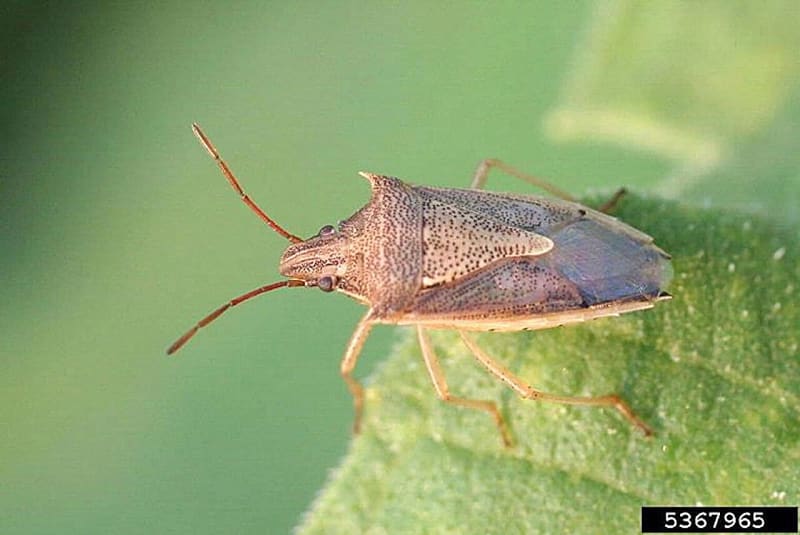
Rice Bug Gene Map Could Save Farmers Millions
Scientists just mapped rice stink bug genetics for the first time, revealing clues that could help protect crops from a pest costing farmers $16 million a year. The discovery shows how different bug populations spread, helping farmers fight insecticide resistance.
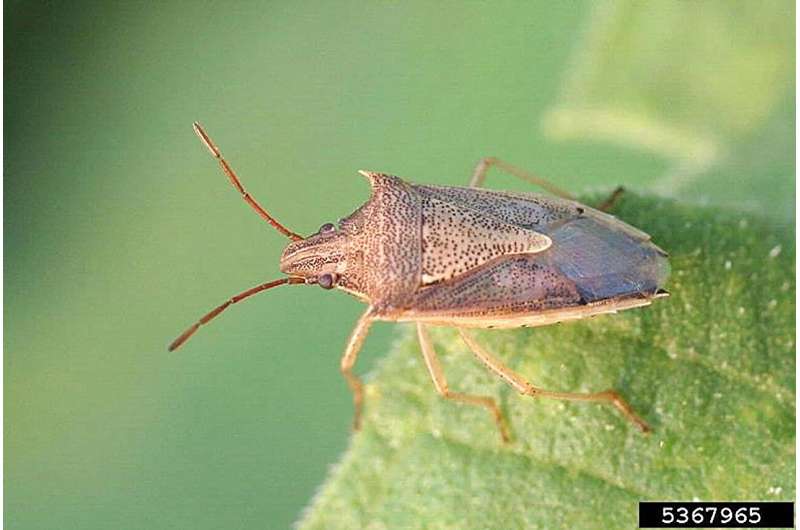
For the first time ever, scientists have cracked the genetic code of rice stink bugs, and the discovery could save southeastern farmers millions of dollars each year.
Researchers from the University of Arkansas, University of Florida, and Florida A&M University mapped the DNA of rice stink bugs that have plagued American farmers since the 1880s. What they found surprised them: the native species has way more genetic diversity than two invasive cousins now appearing in Florida.
"It's the No. 1 pest of rice during the heading stage, when grain is forming," said Allen Szalanski, a professor at the Arkansas Agricultural Experiment Station. The bugs alone cost Arkansas rice growers over $16 million in 2017, with similar losses in 2018 and 2019.
The genetic differences matter because they reveal how these bugs travel from state to state and whether certain populations develop resistance to pesticides. In Arkansas, farmers watched in 2019 as their usual treatments stopped working. By 2021, the problem went from a late season headache to a yearlong battle.
Testing now shows that common pesticides achieve only 50% control against Arkansas populations. That's a scary number when your livelihood depends on healthy crops.
The researchers examined bugs from Arkansas, Mississippi, and Florida using mitochondrial DNA markers. They discovered the invasive species probably hitched rides on hurricane winds from Cuba to Florida, though they haven't spread beyond that state yet.
"What you don't know can be scary when it comes to insect pressure on crops," said Rich Adams, a statistician who worked on the study. Understanding genetic diversity tells scientists something fundamental about how healthy and widespread these pest populations really are.
The Ripple Effect
This genetic roadmap gives farmers and scientists a powerful new tool. By tracking which bug populations have specific genes, researchers can now monitor how insecticide resistance spreads and design smarter pest control strategies that keep treatments working longer.
The research also helps scientists watch for the invasive species moving beyond Florida. Once invasive bugs get established, they're nearly impossible to get rid of, so early detection matters.
Better molecular diagnostics are now in development, including markers to detect insecticide resistance genes before they become widespread problems. That means farmers could know which treatments will actually work before they spray their fields.
For rice growers across the Southeast who feed millions of people, this breakthrough offers something they haven't had in years: a fighting chance against a tiny pest with an outsized appetite for their crops.
More Images


Based on reporting by Phys.org
This story was written by BrightWire based on verified news reports.
Spread the positivity!
Share this good news with someone who needs it