Rice University Creates 'Living Bandage' to Speed Healing
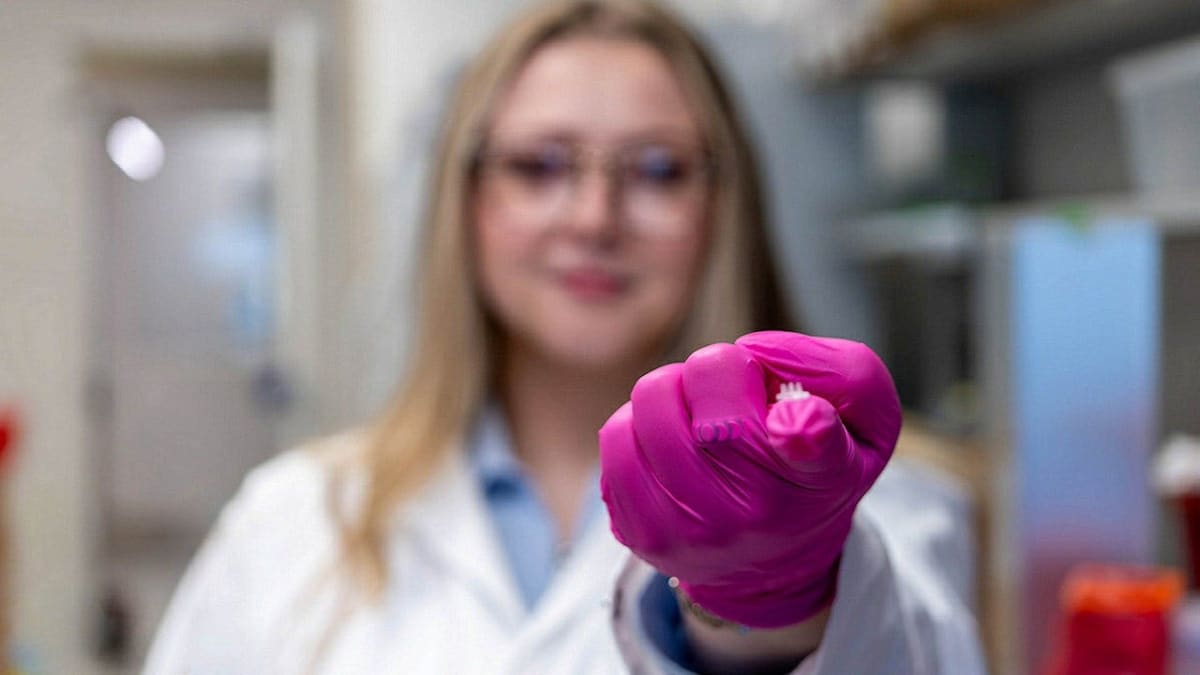
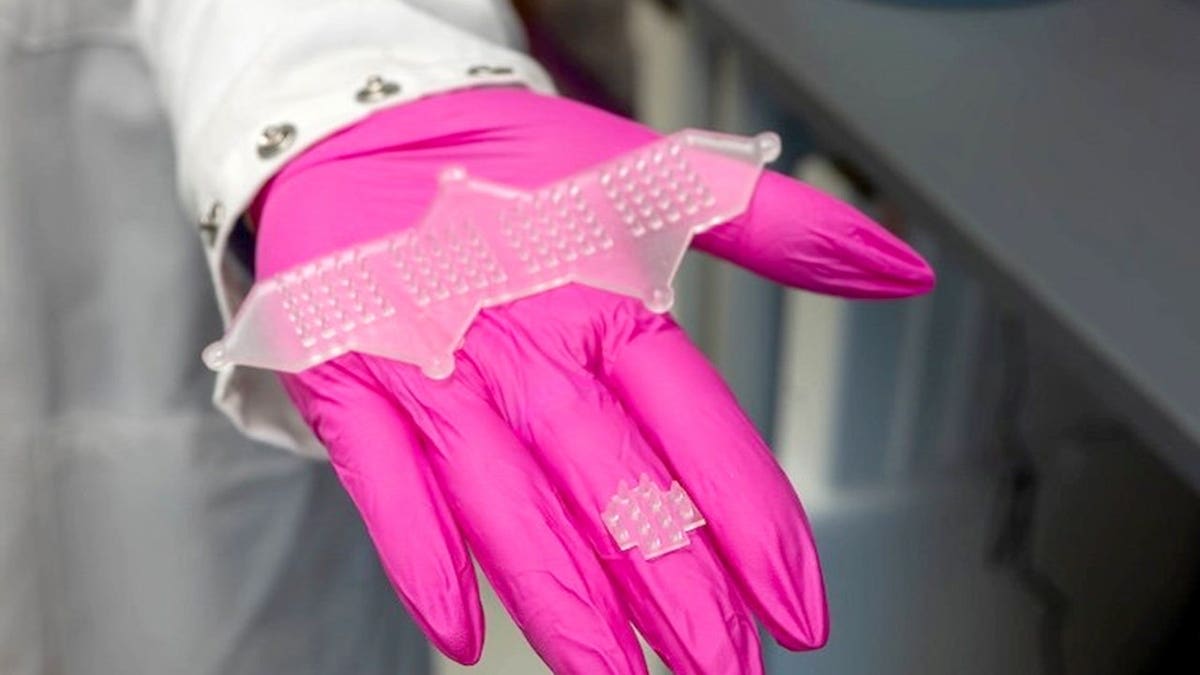
Scientists in Texas developed a smart patch that acts like a tiny healing factory on your skin, continuously delivering proteins that tell your body to repair itself faster. Early tests on animals show the breakthrough could transform how doctors treat serious wounds.
Imagine a bandage that doesn't just cover your wound but actively heals it around the clock like a mini medical lab working on your skin.
That's exactly what researchers at Rice University in Texas have created. Their "living bandage" contains engineered cells that constantly produce healing proteins, solving a problem that has frustrated doctors for years.
Traditional wound treatments like ointments and injections often fail because the fragile healing proteins break down too quickly or wash away before they can do their job. Chronic wounds become a frustrating cycle of treatment and setbacks.
The Rice team's solution is elegant. They engineered cells to produce three specific healing proteins called cytokines, which are the chemical messengers your body naturally uses to control inflammation and repair tissue. These cells live inside a protective shield that lets nutrients and healing proteins pass through to your skin while keeping your immune system from attacking the engineered cells.
A special hydrogel helps the patch blend naturally with the wound. The team even plans to add electronic components in future versions for even more precise control.
The patch performed impressively in tests on rodents and pigs. Genetic analysis confirmed the treatment successfully activated the biological pathways needed for tissue repair.
Professor Omid Veiseh, who leads the lab, says the consistent presence of healing molecules at the wound site engages the body's natural healing response more effectively than traditional treatments. The genetic analysis revealed coordinated activation of genes associated with tissue regeneration and immune system regulation.
The Ripple Effect
The platform's customizable nature opens doors beyond basic wound care. Doctors could program the cells to produce different combinations of proteins tailored to each patient's specific needs.
Study co-author Christian Schreib notes that controlling both the type and timing of protein delivery enables more precise healing. Future versions might use light to control cell activity in real time, adjusting treatment as the wound heals.
The technology hasn't been tested on humans yet, and researchers need more studies to understand how it will work in clinical settings. But the animal trials published in Nature Biomedical Engineering show strong potential for transforming wound care.
For the millions of people struggling with chronic wounds, this living bandage could mean faster healing, less pain, and fewer complications on the horizon.
More Images
Based on reporting by Fox News Health
This story was written by BrightWire based on verified news reports.
Spread the positivity!
Share this good news with someone who needs it