Tampons Could Detect Endometriosis in 90% of Patients
Scientists have discovered menstrual blood can diagnose diseases like endometriosis and cancer without invasive procedures. What was once discarded as waste could revolutionize women's healthcare.
When Ridhi Tariyal's doctor refused to order a simple fertility test, she decided to solve the problem herself. Her frustration sparked an idea that could change healthcare for billions of women.
Tariyal realized something remarkable: women throw away valuable medical information every month. Menstrual blood contains genes, immune cells, and tissue that could reveal fertility issues, detect diseases, and provide health insights without needles or clinics.
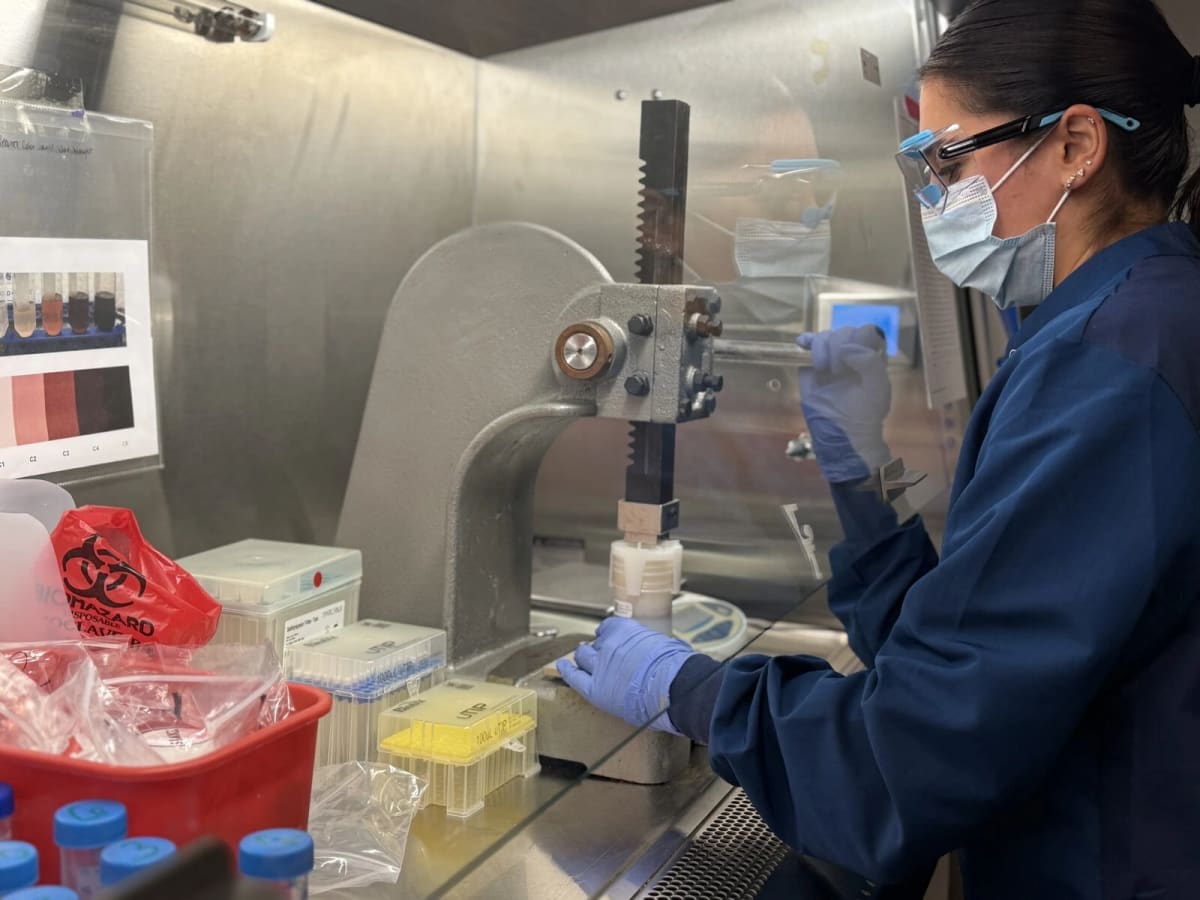
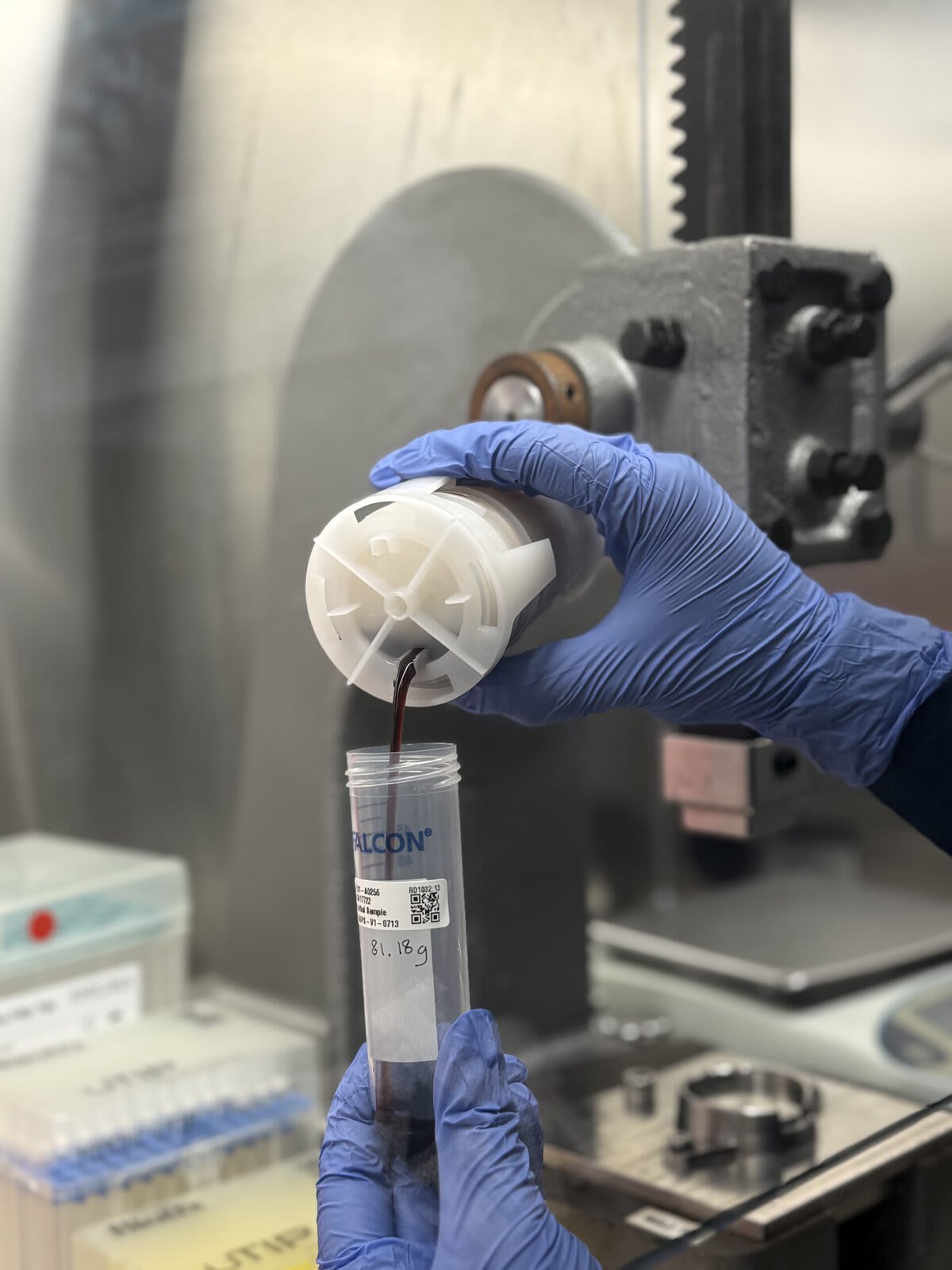
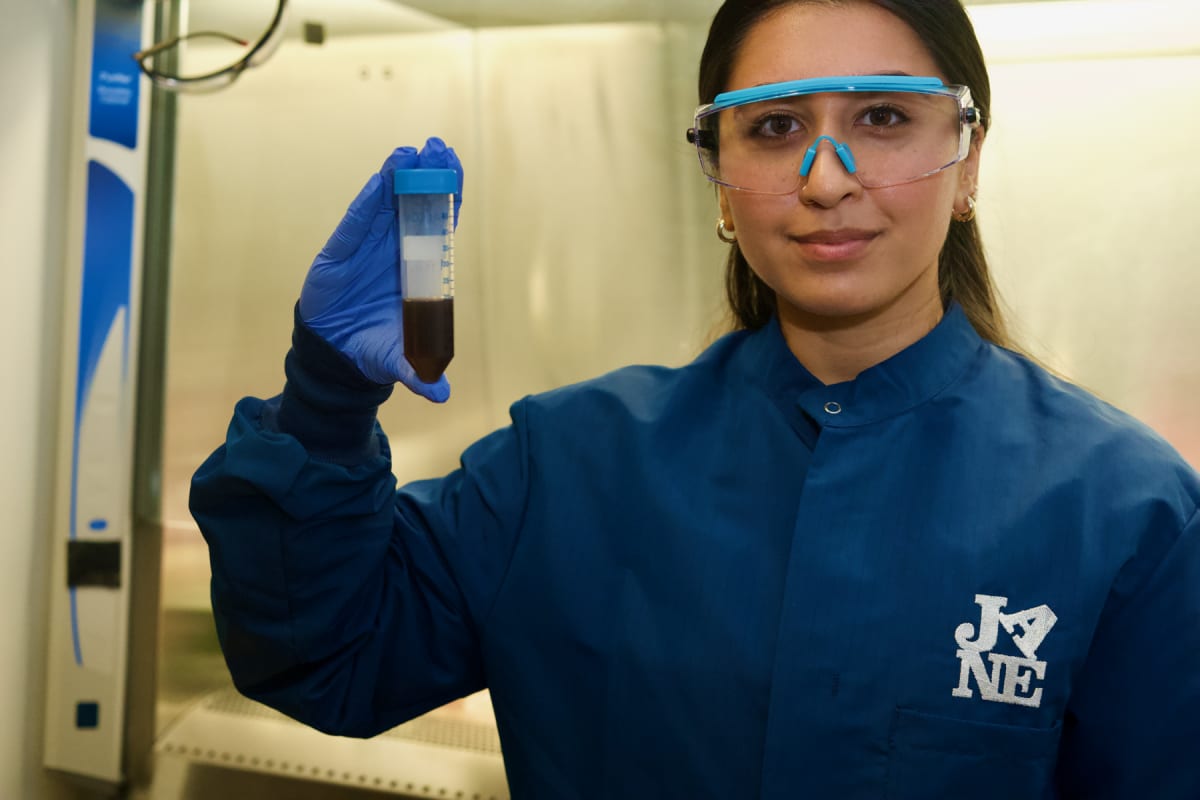
In 2014, she founded NextGen Jane with biologist Stephen Gire. They developed a system where women mail used tampons in special collection kits to their Oakland lab. A machine smaller than an espresso maker extracts a viable blood sample in seconds.
The breakthrough came with endometriosis, a painful condition affecting one in 10 women. Diagnosis typically requires surgery and takes seven to 10 years from first symptoms. NextGen Jane's tampon test now identifies endometriosis with over 90 percent accuracy.
The idea has exploded into a growing scientific field. Researchers at Stanford Health Care proved menstrual blood can detect HPV strains that cause cervical cancer. A company called Qvin developed menstrual pads that monitor diabetes markers, earning FDA clearance in 2024.
Abbott, a major medical device company, just released a self-collected tampon test for endometrial cancer after 10 years of development. On Long Island, Northwell Health has spent a decade developing endometriosis tests using menstrual cups.
The Ripple Effect
The innovation reaches beyond convenience. Women from some ethnic communities avoid pap smears for cultural reasons, yet these same communities face the highest cervical cancer rates. At-home menstrual blood tests could save lives by making screening accessible and comfortable.
Tariyal faced skepticism from male investors who couldn't see the value. One said the test "only helps half the population." Another asked if men could test their partners for STDs.
Today, academic centers, hospitals, and biotech companies across America are researching menstrual blood diagnostics. What started as one woman's frustration with healthcare barriers has become a vibrant scientific movement.
Women are no longer throwing away answers to their health questions.
More Images

Based on reporting by Reasons to be Cheerful
This story was written by BrightWire based on verified news reports.
Spread the positivity!
Share this good news with someone who needs it