Rio Recovery Center Helps Homeless Woman Buy Her Own Home
A 55-year-old former homeless drug user in Rio de Janeiro overcame cocaine addiction, found stable employment, and bought her own house within a year thanks to an innovative recovery program. The city's network of 24/7 psychosocial care centers is transforming lives by combining healthcare, housing support, and job opportunities.
Four months of homelessness ended when Leonor Ambrosia de Miranda found her way to a recovery center in Rio de Janeiro that would change everything.
The 55-year-old former cocaine user now owns her own home, holds a steady job, and receives regular psychotherapy. Her transformation happened in less than a year through the Moving Forward program, a city initiative that treats addiction as a health issue requiring compassion, not judgment.
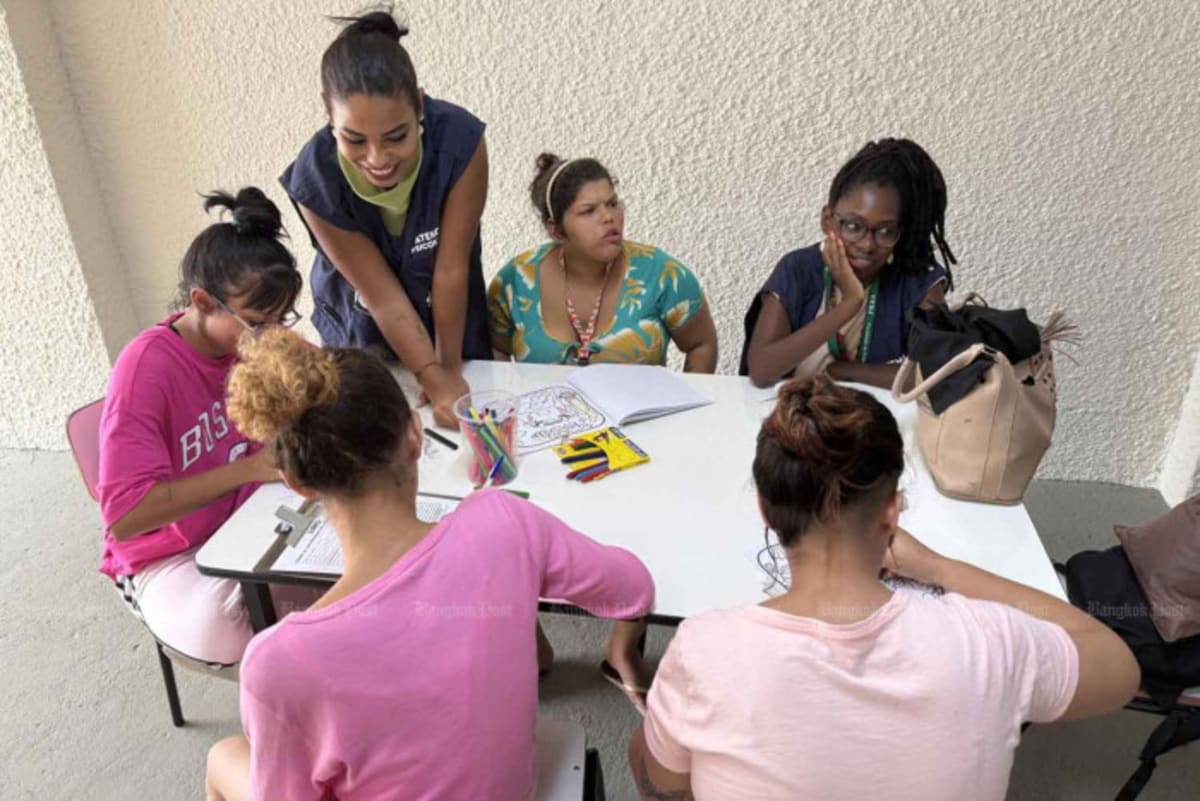
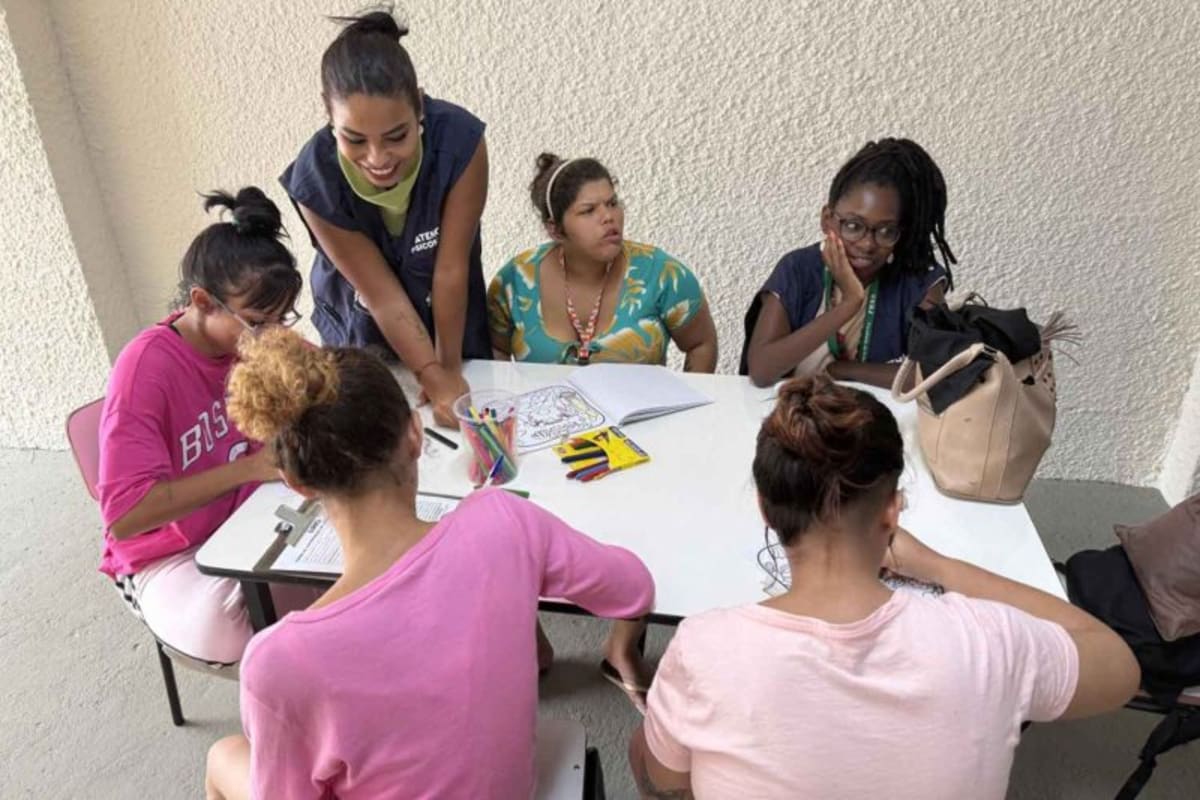
Rio operates 10 specialized psychosocial care centers for people struggling with drug and alcohol addiction. The CAPS ad III Carolina Maria de Jesus center where Miranda received treatment runs 24 hours a day, staffed by 68 healthcare professionals including doctors, nurses, psychologists, and social workers. Currently, 709 people are registered at this single facility.
Miranda's recovery went beyond simply stopping drug use. The center provided dental care, diabetes treatment, and weekly therapy sessions. She secured work as a general services assistant, rented an apartment, and by February achieved what once seemed impossible: she bought her own house.
"This life is about second chances," Miranda told international journalists visiting the center during Rio's recent Partnership for Healthy Cities Summit. "Recovery centers give people the opportunity to start again, reconnect, and find hope."
Her story reflects what center manager Alessandro Peçanha de Souza calls the heart of effective recovery work. The psychologist with 22 years of experience says treatment must address the whole person, not just their addiction.
"It's about reconnecting the person with their family," Souza explains. His center doesn't just treat substance abuse. It actively works to rebuild family relationships and community ties that addiction often destroys.
Why This Inspires
Miranda's journey shows what's possible when cities treat addiction as a public health challenge rather than a moral failing. Her program combined immediate needs like shelter and medical care with long-term support including employment assistance and family counseling.
The approach is gaining attention worldwide. More than 200 public health leaders from 55 cities attended Rio's summit to learn about integrated solutions for drug addiction, homelessness, and mental health. Daliah Heller from Vital Strategies noted that Rio's model of addressing housing, healthcare, and addiction simultaneously stands out as a leading example.
Miranda's son also struggled with addiction, making her recovery even more meaningful. She understands firsthand that addiction doesn't discriminate and that effective treatment requires patience, professional support, and community resources working together.
Rio's network proves that recovery centers offering comprehensive care can restore not just individual lives but entire families and communities.
More Images


Based on reporting by Bangkok Post
This story was written by BrightWire based on verified news reports.
Spread the positivity!
Share this good news with someone who needs it