Rivian Turns Old EV Batteries Into Power Plant in Illinois
More than 100 retired electric vehicle batteries are getting a second life powering the Illinois factory where they were born. The batteries still hold up to 80% of their original energy, perfect for storing electricity when the plant needs it most.
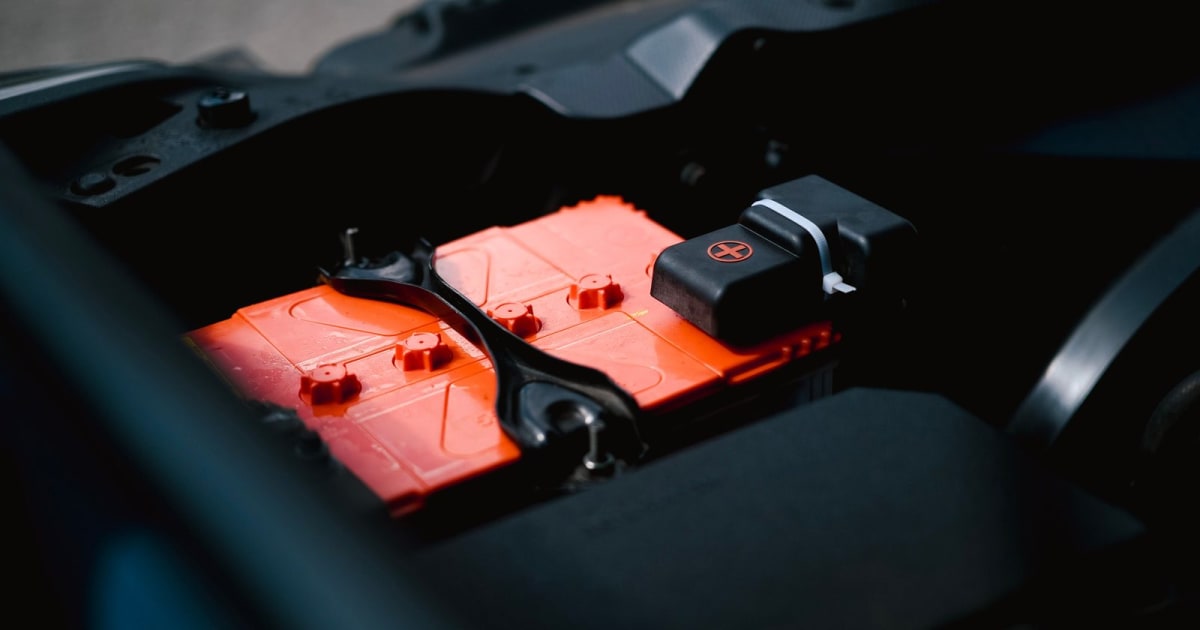
When an electric car battery gets replaced, it's not because it died. It's because it can't power your road trip anymore.
Most EV batteries leave service when they drop to 70% to 80% of their original capacity. That's not enough for a driver who needs 300 miles of range and fast charging. But for a building that just needs to store electricity? That's plenty of power left to give.
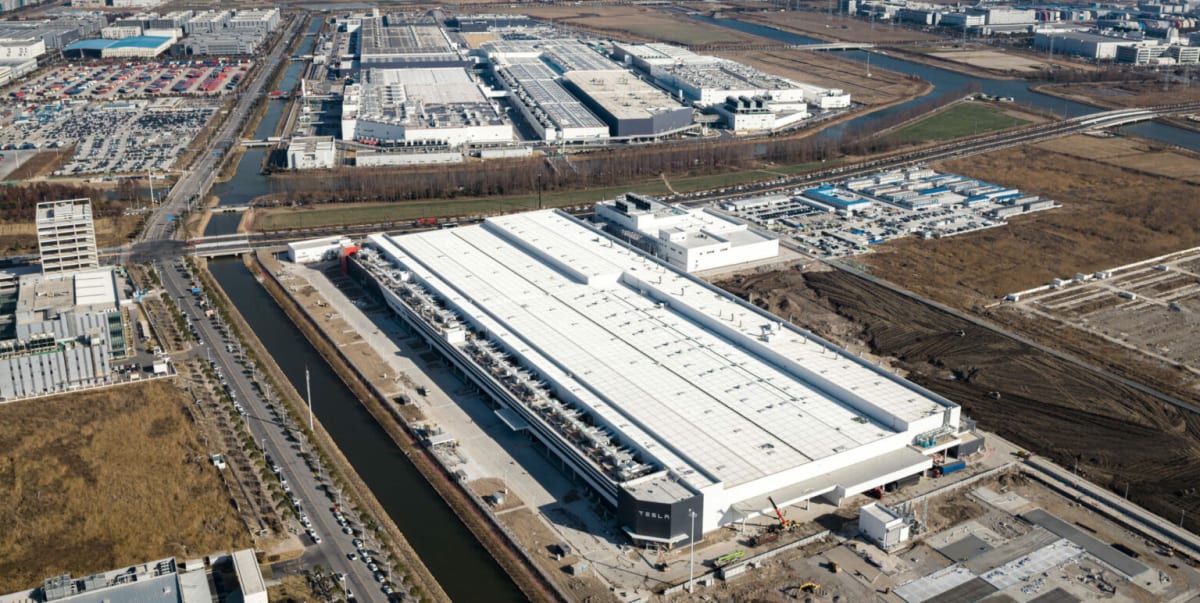
Rivian and Redwood Materials announced plans in April 2026 to install more than 100 retired Rivian battery packs at the automaker's plant in Normal, Illinois. Together, they'll form a 10-megawatt-hour energy storage system that helps the factory manage its electricity use during peak demand times.
The concept is called peak shaving. When electricity demand spikes during heat waves or other high-use periods, the plant can draw power from its battery bank instead of pulling more from the grid. That flexibility helps reduce costs and strain on local energy systems.
RJ Scaringe, Rivian's founder and CEO, calls electric vehicles "a massive, distributed and highly competitive energy resource." This project tests whether that vision works at manufacturing scale, turning retired car batteries into industrial storage before they ever reach a recycling facility.
Redwood Materials built its reputation recycling batteries to recover valuable metals like lithium, nickel and cobalt. Now it's adding a step before recycling: assess incoming packs, reuse the ones fit for storage work, and recycle them only when their useful life truly ends.
That sequence matters because not every battery should follow the same path. Research from Carnegie Mellon University and Stanford suggests that lithium iron phosphate batteries are especially good candidates for reuse because they last longer and contain less valuable materials to recover. Batteries with nickel and cobalt might make more economic sense to recycle immediately, depending on how degraded they are and what metals they contain.
The Normal installation connects an automaker with a recycling partner who can handle assessment, integration and eventual material recovery. It's a tidy arrangement, but it doesn't prove the economics work everywhere or that transporting and reconfiguring old batteries is always worthwhile.
The Ripple Effect
If second-life batteries prove reliable and affordable at scale, they could help solve two problems at once. Factories and utilities get flexible energy storage without mining new materials. Used EV batteries deliver years more service before being recycled, stretching the value of every pack manufactured.
The real test comes next: operating data showing how long these batteries last in stationary storage, how much money they save, and whether the model makes sense beyond a single factory reusing its own packs.
For now, batteries built in Normal are staying in Normal to power the plant through summer heat and winter peaks. What started as a car battery gets a quieter second career keeping the lights on where it was made.
More Images

Based on reporting by Google News - Electric Vehicle
This story was written by BrightWire based on verified news reports.
Spread the positivity!
Share this good news with someone who needs it