RNA Molecule Takes Us Closer to Origins of Life
Scientists created a 45-unit RNA molecule that can almost replicate itself, bringing us closer to understanding how life began on Earth. This tiny strand performs both key steps needed for self-replication, just not yet in the same container.
Scientists just discovered something incredible: an RNA molecule that can nearly make copies of itself, offering our best clue yet about how life first began on our planet.
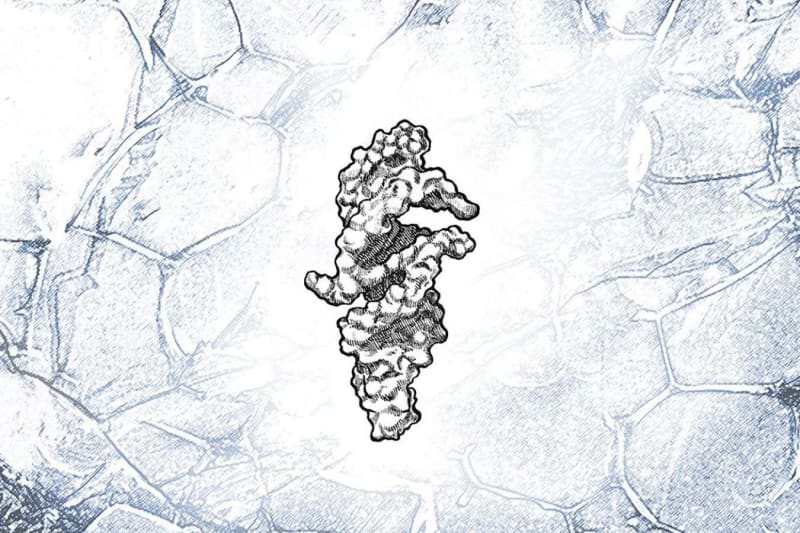
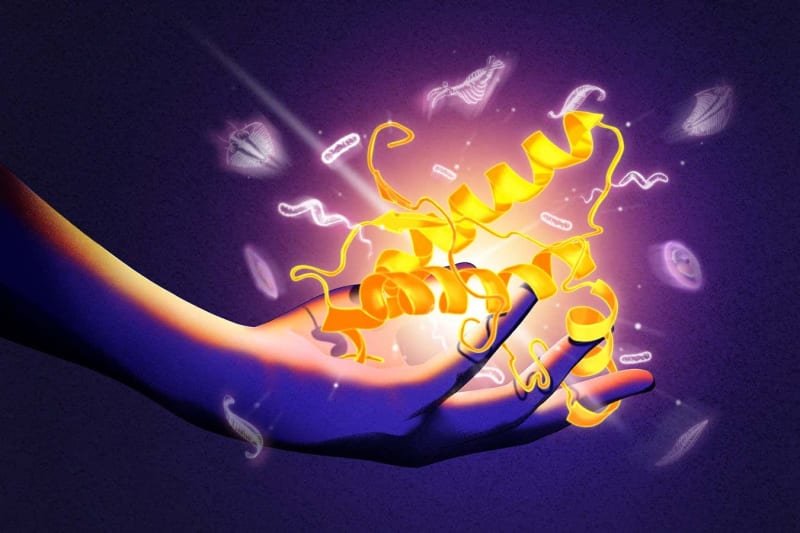
The tiny molecule, called QT45, is only 45 building blocks long. Yet it can perform both essential steps needed for self-replication, creating complementary strands from a template and then making more copies from those strands.
Philipp Holliger and his team at the MRC Laboratory of Molecular Biology in Cambridge, UK, spent years searching for this breakthrough. They started with a trillion random sequences of different lengths, selected three that showed promise, and evolved them through multiple rounds of testing.
The result works in near-freezing alkaline water, where it slowly joins short RNA pieces together using existing strands as templates. It can even use its own sequence as a blueprint.
"It's been a long quest to get to the point where you can convince yourself that RNA has the capacity to make itself under the right conditions," says Holliger. "I think this shows that it is possible."
The discovery challenges old assumptions about how life started. Scientists previously thought self-replicating RNA molecules needed to be large and complex, but those proved nearly impossible to unfold and copy. QT45 proves that smaller, simpler molecules might have been the true origin of life.
Why This Inspires
This research changes how we think about our deepest question: where did we come from? For decades, scientists suspected life began with RNA molecules that could copy themselves, but finding proof seemed impossible.
QT45 brings us tantalizingly close. While both replication steps haven't happened in the same container yet, Holliger's team believes freeze-thaw cycles in ancient Earth environments could have made it work naturally.
Imagine early Earth with conditions like modern Iceland: ice, hydrothermal activity creating temperature changes, and natural pockets where the right ingredients could gather. That's where molecules like QT45 might have sparked the beginning of all life.
Once the system achieves full self-replication, it should become self-improving. The error-prone copying process creates variations, and the ones that work better will naturally make more copies of themselves.
"The new results from the Holliger lab are exceptional and a significant advance," says Sabine Müller at the University of Greifswald in Germany.
Finding QT45 from just a trillion random sequences was remarkable luck, since the total possible 45-unit RNA sequences is unimaginably large. The team now plans to continue evolving the molecule and experimenting with different environmental conditions to achieve full self-replication in one container.
We're watching scientists piece together the greatest mystery of all: how lifeless chemistry became living biology.
More Images

Based on reporting by New Scientist
This story was written by BrightWire based on verified news reports.
Spread the positivity!
Share this good news with someone who needs it