Scientists Find Bacteria Making DNA From Protein, Not DNA
Researchers discovered bacteria that create DNA using proteins as templates instead of other DNA—reversing biology's fundamental rules. This breakthrough could reshape our understanding of how life stores and transfers information. #
Life just broke one of its own rules, and scientists are stunned.
Researchers at Columbia University discovered that a common bacterium can build DNA using proteins as templates, flipping backward the process we thought was set in stone. Instead of DNA making DNA, these bacteria use amino acids from proteins to write genetic code.
"It's a bit like using a cake as the template for writing a recipe, rather than using a recipe as the template for making a cake," explains biochemist Samuel Sternberg, who led the study.
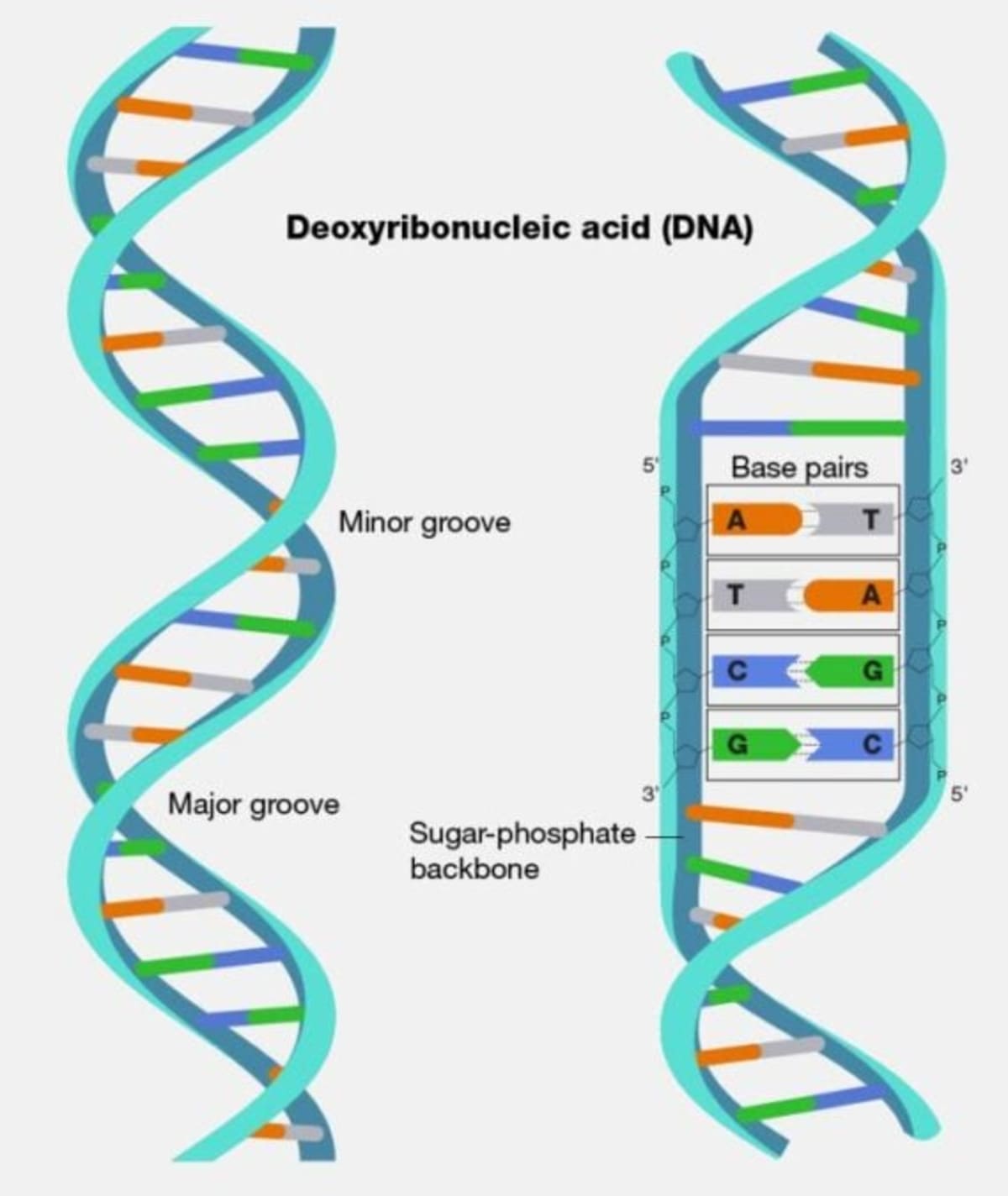
Here's what makes this wild. DNA normally copies itself by splitting its famous double helix into two strands, then using each strand as a blueprint for building its partner. The pairing follows strict rules: A matches with T, C matches with G. It's been biology's copy machine for billions of years.
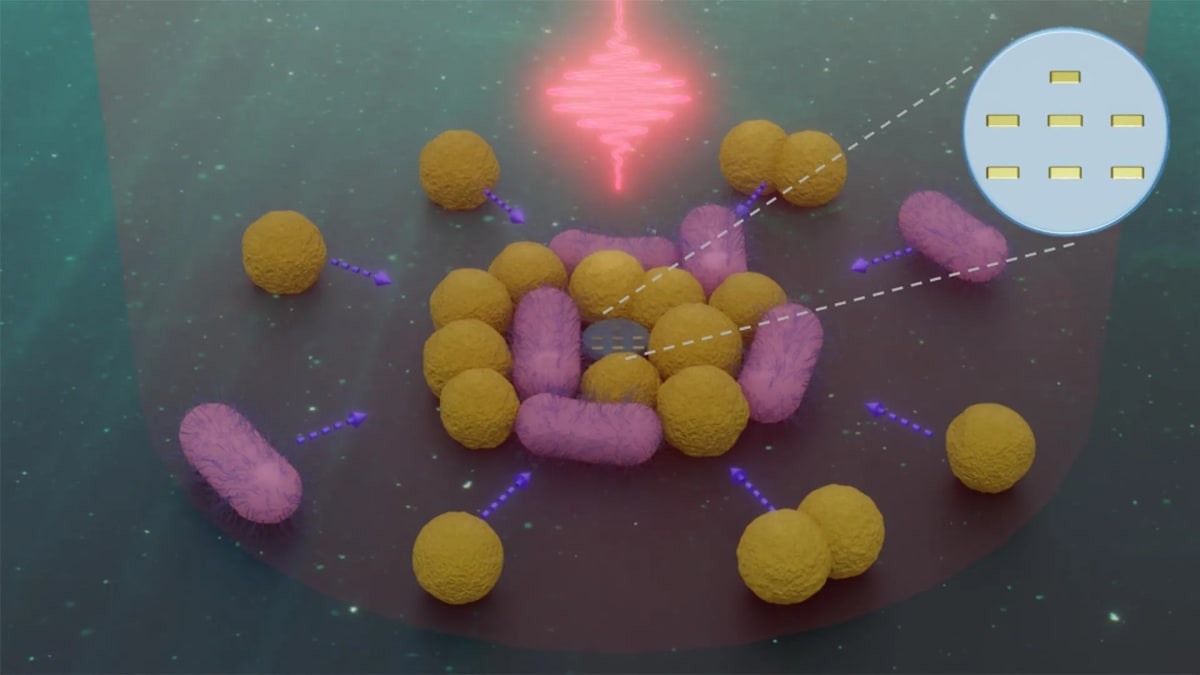
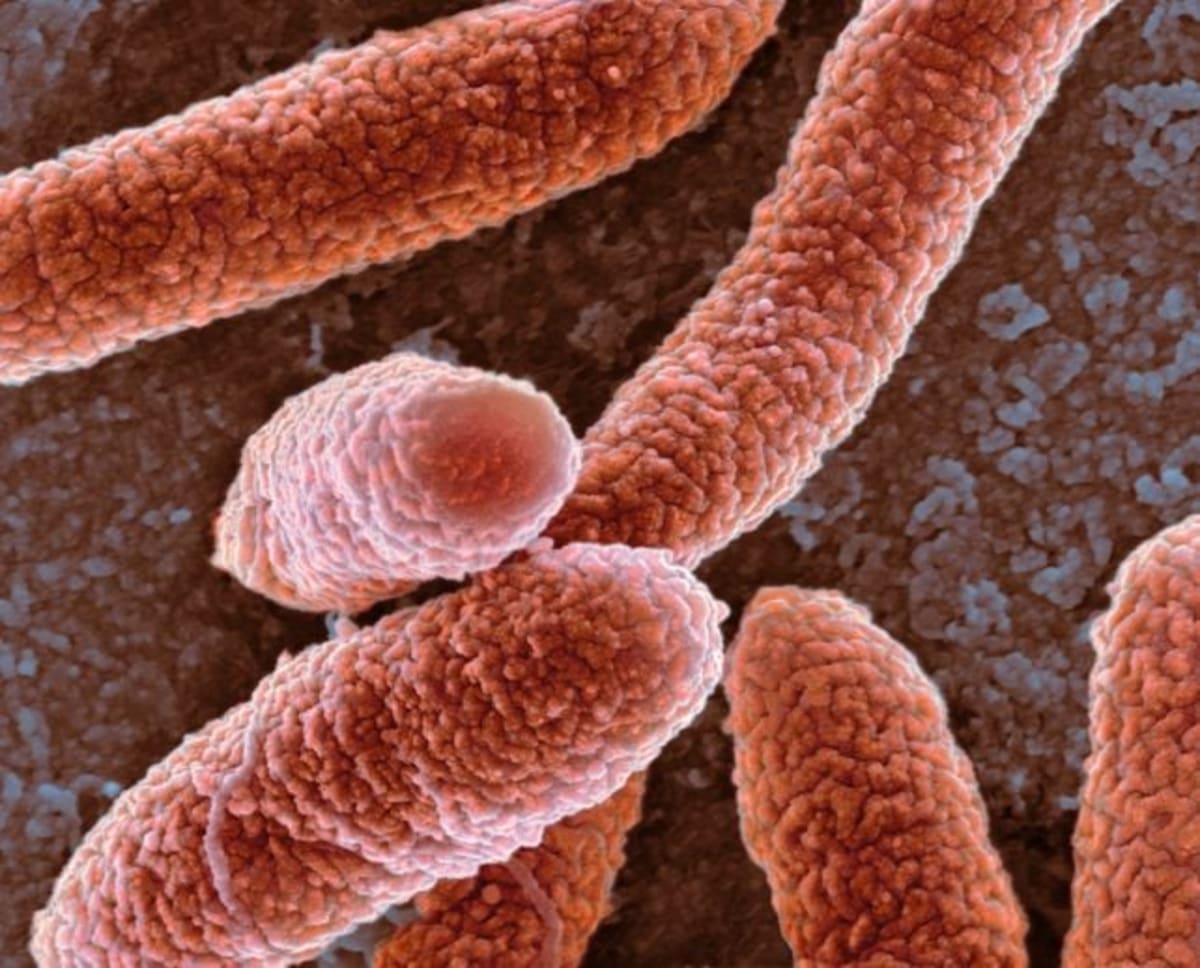
But the bacteria E. coli had other ideas. When defending itself against viruses, it deploys a system called DRT3 that makes DNA in a completely different way.
The team discovered two enzymes working independently. One follows the traditional playbook, using RNA as its template. But the second enzyme, DRT3b, does something nobody expected—it uses two amino acids from the protein itself to determine which DNA building blocks get added.
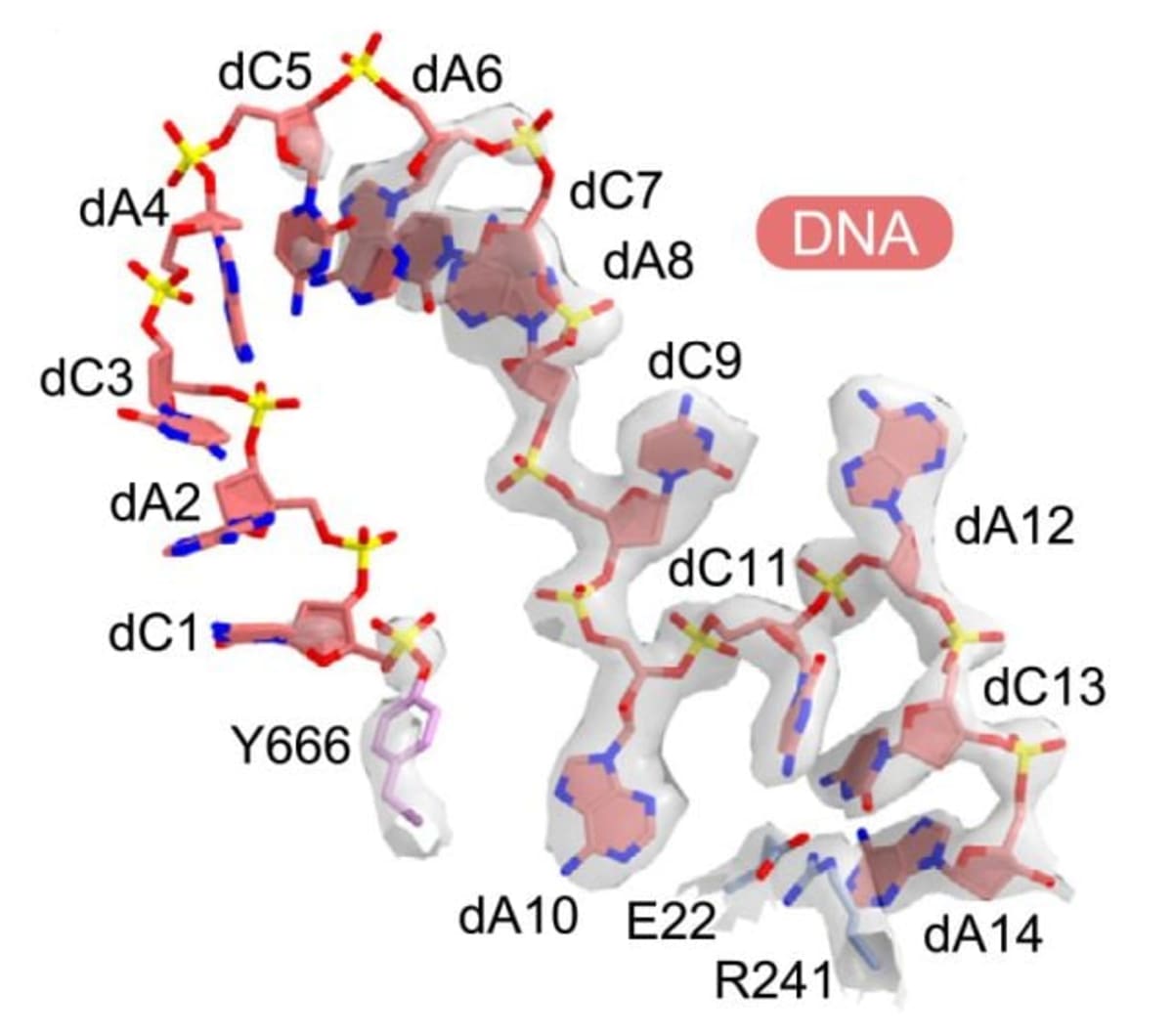
The result is a simple repeating strand: C-A-C-A-C-A. No nucleic acid template required. Just protein dictating DNA sequence directly.
The real "aha" moment came when researchers used cryo-electron microscopy to see inside the enzyme. They could actually watch the DNA product sitting there, with two amino acids positioned perfectly to explain the alternating sequence.
To confirm their discovery, scientists altered those two crucial amino acids. When they did, DNA synthesis stopped completely and the bacterium lost its viral defense, proving the amino acids were calling the shots.
Even stranger, the two DNA strands are built separately—one from RNA, one from protein—then find each other afterward and zip together into the double helix. That's backward from normal DNA replication, where one strand always guides the creation of its partner.
Why This Inspires
This discovery opens up entirely new possibilities for understanding life's information systems. For billions of years, we thought information flowed in one direction: DNA to RNA to protein. Now we know proteins can write DNA too.
The finding could revolutionize synthetic biology and biotechnology. If proteins can template DNA in bacteria, scientists might harness this mechanism to create new genetic tools or therapies we haven't imagined yet.
Most importantly, it reminds us that life is far more creative than our textbooks suggest. Even in organisms we've studied for decades, nature still has surprises waiting to reshape what we think is possible.
Life keeps finding new ways to survive, adapt, and astonish us.
#
More Images
Based on reporting by Google News - Scientists Discover
This story was written by BrightWire based on verified news reports.
Spread the positivity!
Share this good news with someone who needs it