Robot Completes 20,000-Foot Volcano Trek to Help Wildlife
A humanoid robot just conquered a 20,000-foot volcano in Ecuador, and it's not just for show. The project aims to build robots that can monitor and protect remote ecosystems like the Amazon rainforest.
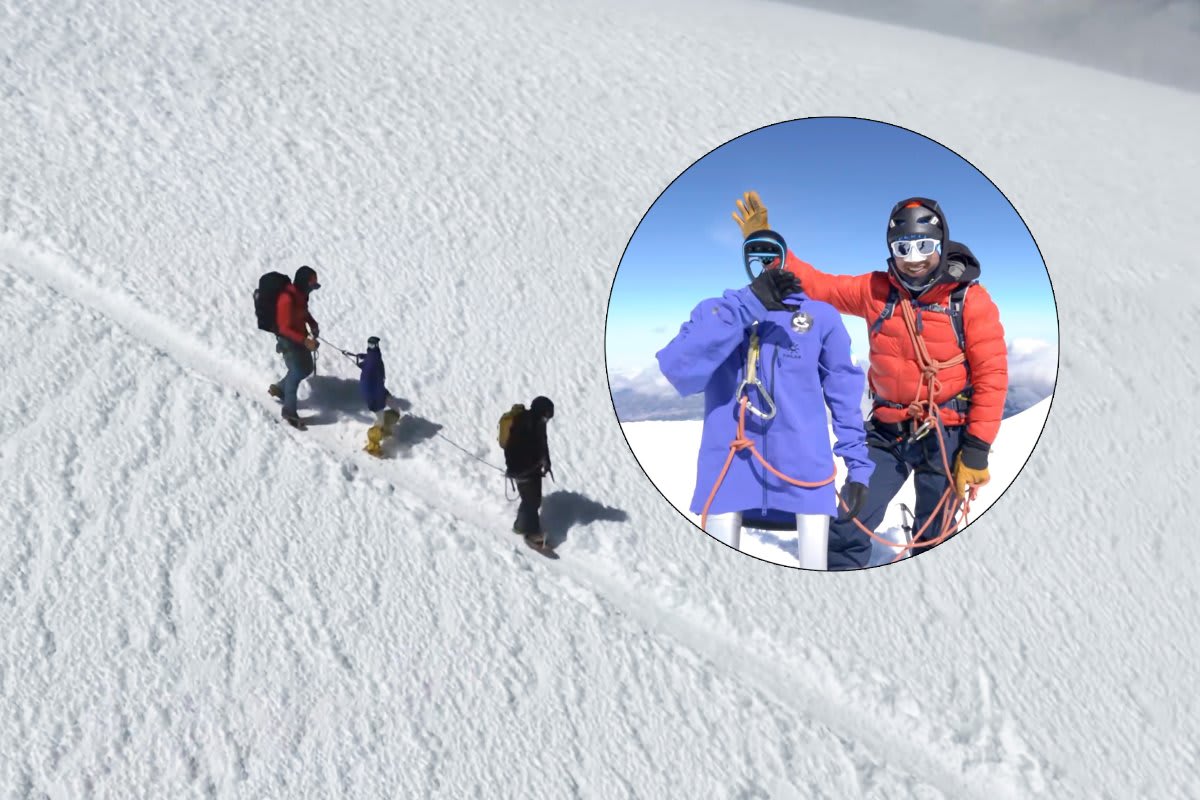
A humanoid robot trudged through snow at over 20,000 feet, wearing tiny boots and a custom jacket, as part of an ambitious plan to protect the planet's most vulnerable ecosystems.
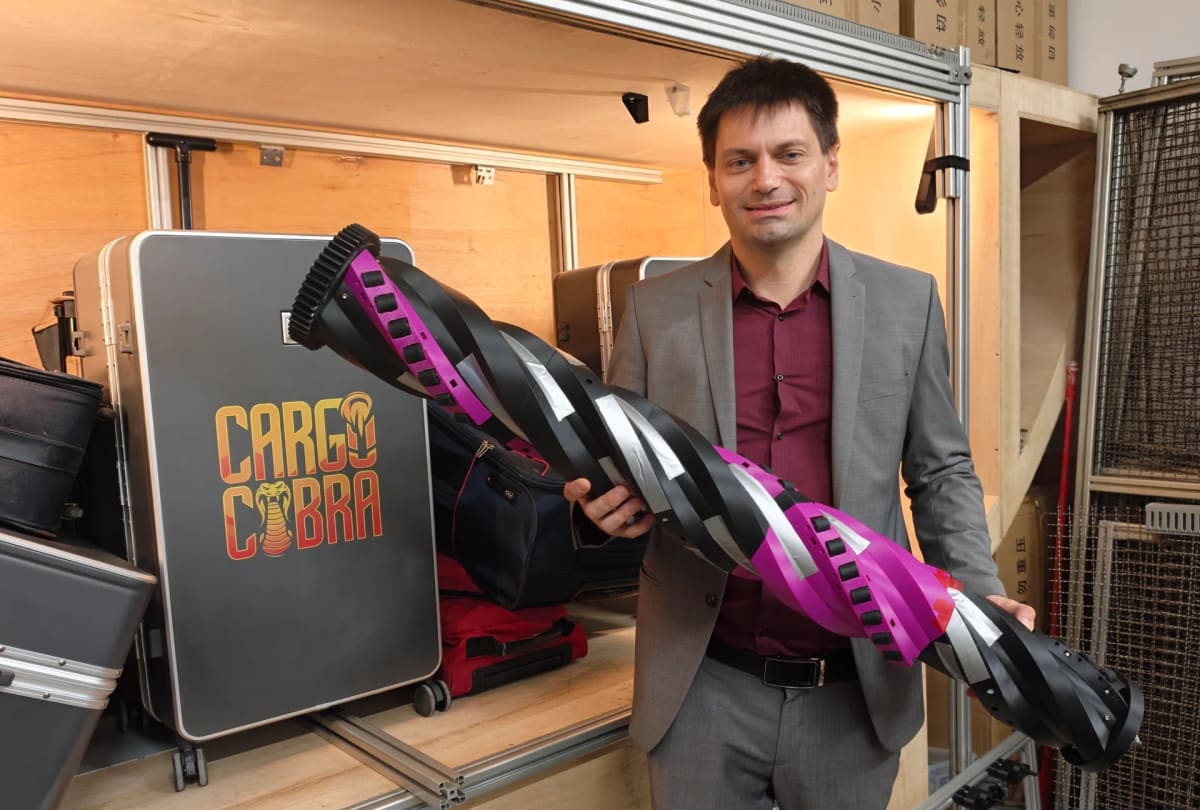
French engineer Pablo recently guided a modified Unitree G1 robot to the summit of Ecuador's Chimborazo volcano. At 20,564 feet, Chimborazo stands higher than Denali and sits farther from Earth's center than Mount Everest due to its equatorial location.
The robot walked autonomously on flatter sections of the 16-hour trek, though it needed help on steeper slopes exceeding 30 degrees. Still, the footage of a humanoid navigating snowy, extreme terrain marks a significant step forward in robotics.
This isn't just another flashy tech stunt. Pablo's project, called "Pemba," has a clear conservation mission: developing robots tough enough to monitor remote environments that are difficult or dangerous for humans to access regularly.
Imagine humanoid robots trekking through the Amazon rainforest, gathering data on wildlife populations, tracking deforestation, or monitoring climate conditions without disturbing delicate ecosystems. That's the ultimate goal driving this mountain-climbing experiment.
The Ripple Effect
If successful, conservation robots could transform how we protect endangered species and fragile habitats. Remote areas that currently go unmonitored for months or years could receive consistent attention without the carbon footprint of human expeditions.
The technology could also support search and rescue operations in treacherous terrain, or help scientists gather data from volcanic regions too dangerous for human researchers. Each successful test brings these applications closer to reality.
Pablo's team is already planning their next challenges. The robot will tackle Hawaii's Mauna Kea before attempting the ultimate test: Mount Everest itself.
Humanoid robots still have major limitations, and autonomous navigation in unpredictable wilderness environments remains extraordinarily complex. But every step forward in extreme conditions teaches engineers how to build more capable, resilient machines.
The combination of cutting-edge robotics and environmental protection shows how technology can serve conservation rather than compete with it. When innovation meets purpose, the possibilities expand.
More Images
Based on reporting by Futurism
This story was written by BrightWire based on verified news reports.
Spread the positivity!
Share this good news with someone who needs it