Singapore Startup's Snake Robot Helps Airport Baggage Handlers
A Singapore company just won a grant to build a robotic snake that loads airplane luggage automatically, potentially ending one of aviation's toughest jobs. The AI-powered Cargo Cobra could cut loading times by 20% while protecting workers from injuries.
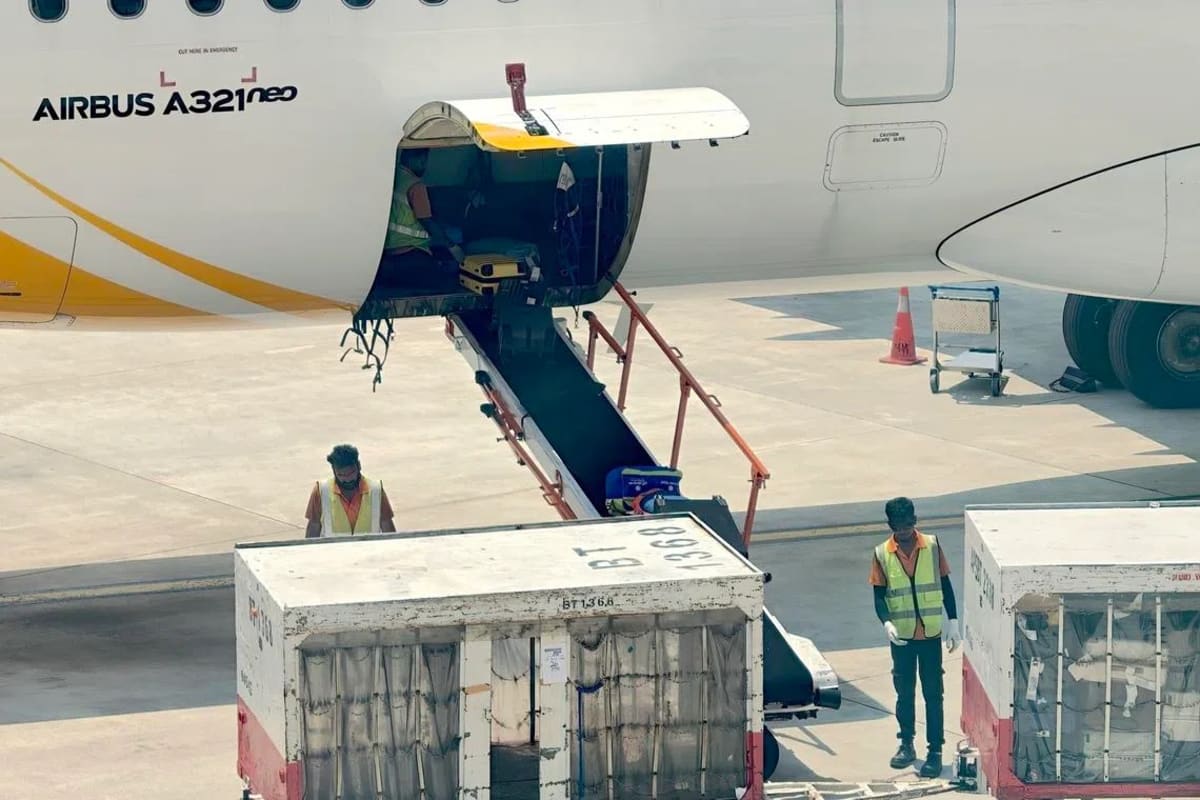
Imagine playing Tetris in a cramped, airless box with 30-kilogram blocks while racing the clock. That's the daily reality for airplane baggage handlers, and a Singapore startup just landed $400,000 to end it.
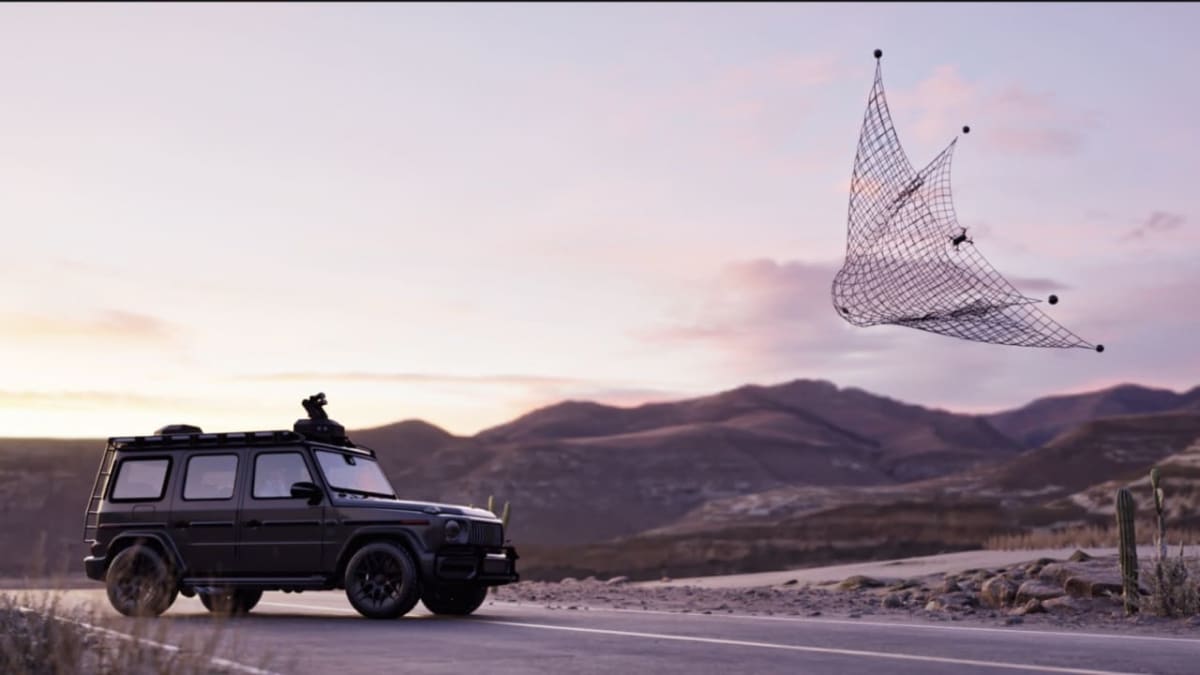
Antomation, founded in 2022, developed Cargo Cobra, a snake-like robotic system that automatically loads and unloads luggage from airplane cargo holds. The system uses AI-powered cameras to spot bags, then extends its telescoping body deep into the hold to place each piece perfectly.
The human cost of manual baggage handling runs high. Airport workers face injury rates three times higher than other industries, with back injuries accounting for 55% of all airline employee harm. Handlers climb into tight cargo spaces in extreme weather, lifting heavy bags while working against tight turnaround schedules.
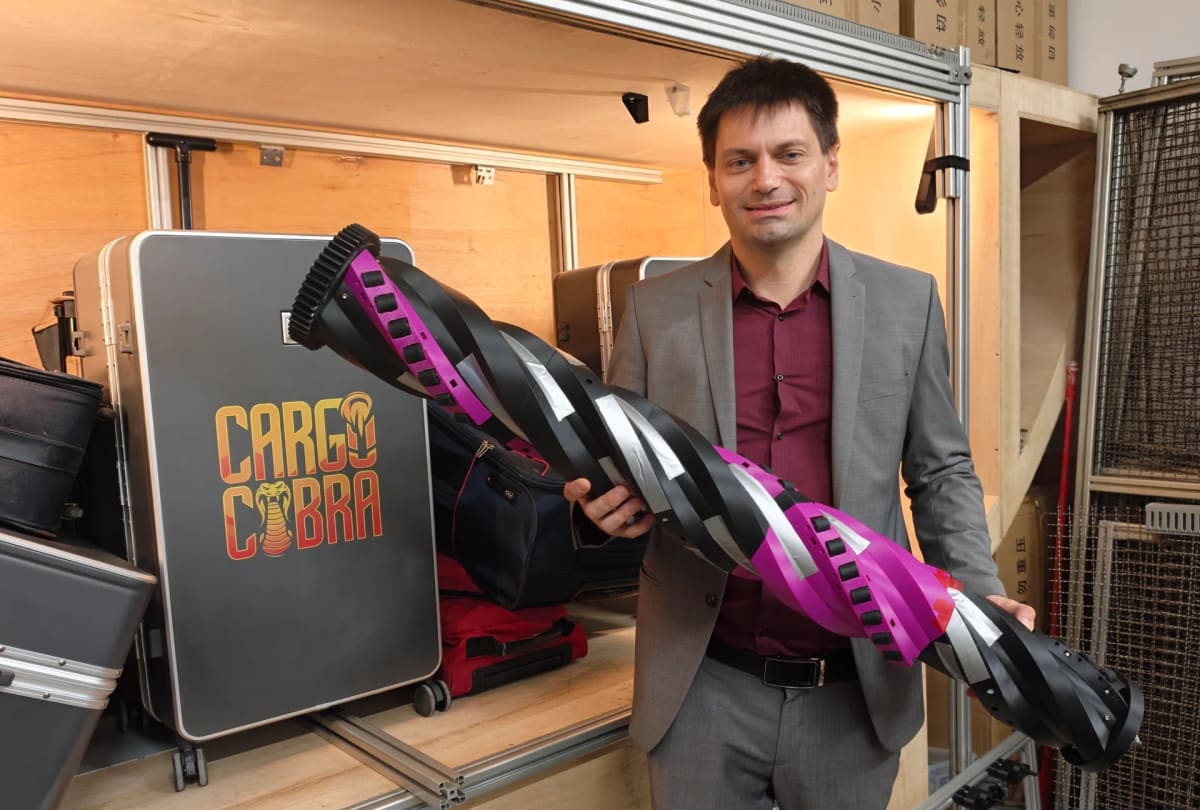
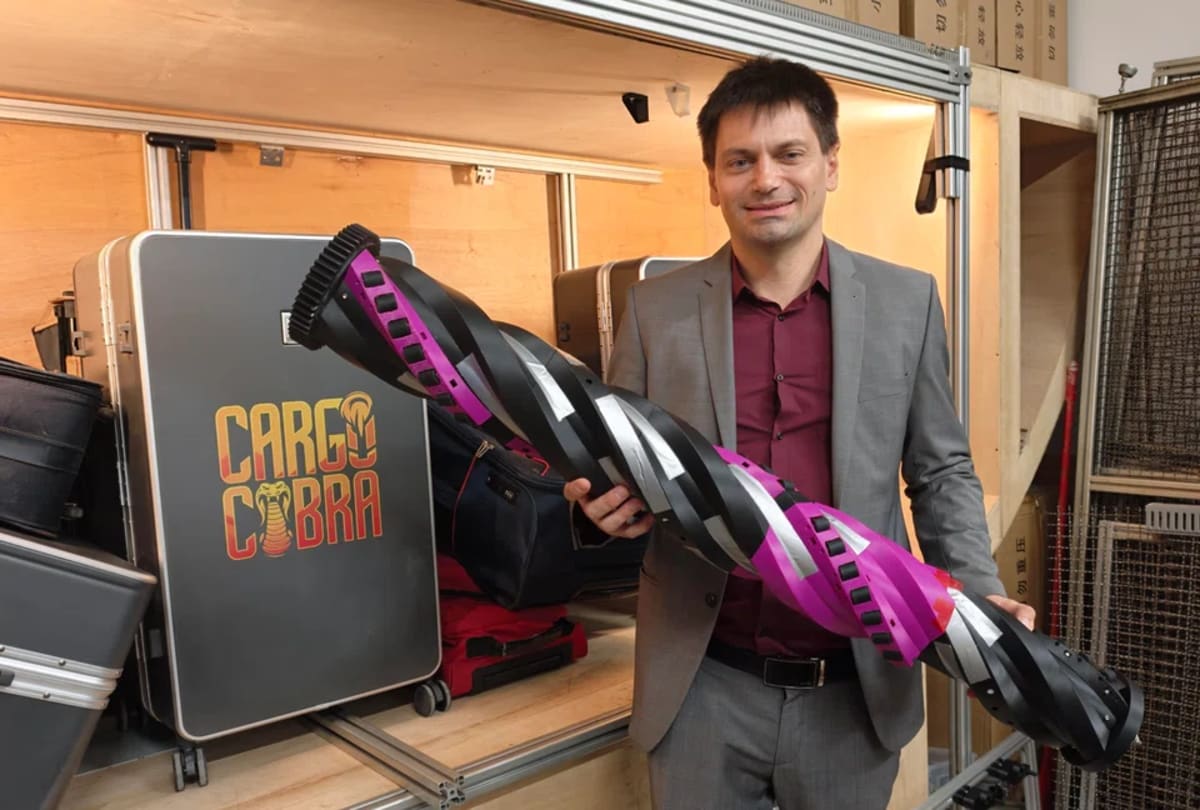
Dominik Braun, Antomation's 39-year-old founder and CEO, brought his experience building automated production lines for German car companies to solve the problem. "My goal is to not have people climb inside the cargo hold anymore," he says. "It's very hard on the body."
Cargo Cobra's innovation lies in its extendable design, which Braun is now patenting. Traditional conveyor belts can't reach deep into cargo holds because their length stays fixed. Antomation's solution uses helix-shaped segments with embedded rollers that telescope into each other, letting the system stretch as the hold fills.
The startup won the Aerospace Open Innovation Challenge 2024, beating other competitors with a challenge from aircraft maker Airbus. Enterprise Singapore awarded them a Startup SG Tech grant designed for early-stage companies with scalable technology.
Why This Inspires
Beyond protecting workers, Cargo Cobra addresses the aviation industry's growing labor shortage. The system promises 20% faster loading times while eliminating the physical toll that drives workers away from these essential jobs.
Modern technology dramatically shortened Braun's development timeline. His Ang Mo Kio factory hums with 3D printers producing test parts for robotic arms, letting him prototype in weeks instead of months. "A decade ago, I would not have committed to such a narrow timeline," he notes. "Nowadays, you have technology like 3D printing, and AI helps you be 10 times quicker."
The company takes a full-stack approach, building custom hardware, software and AI for each challenge rather than using off-the-shelf solutions. They're also developing AI systems to detect blockages in aircraft heat exchangers for maintenance companies.
With the grant secured, Braun expects a working prototype within a year, ready for real-world airport testing.
Antomation's snake robot could transform one of aviation's hardest jobs into a relic of the past, proving that innovation works best when it lifts the heaviest burdens from human shoulders.
More Images


Based on reporting by Google News - Singapore Technology
This story was written by BrightWire based on verified news reports.
Spread the positivity!
Share this good news with someone who needs it