Robot Dog Takes Radiation Samples at Sellafield Nuclear Site
A four-legged robot named Spot has successfully completed the first trial of taking contamination swabs in a radioactive area at Sellafield, potentially keeping workers out of hazardous zones. The technology could transform how nuclear sites monitor safety across the UK.
A robot dog just proved it can do one of the most dangerous jobs at Britain's largest nuclear site without putting a single person at risk.
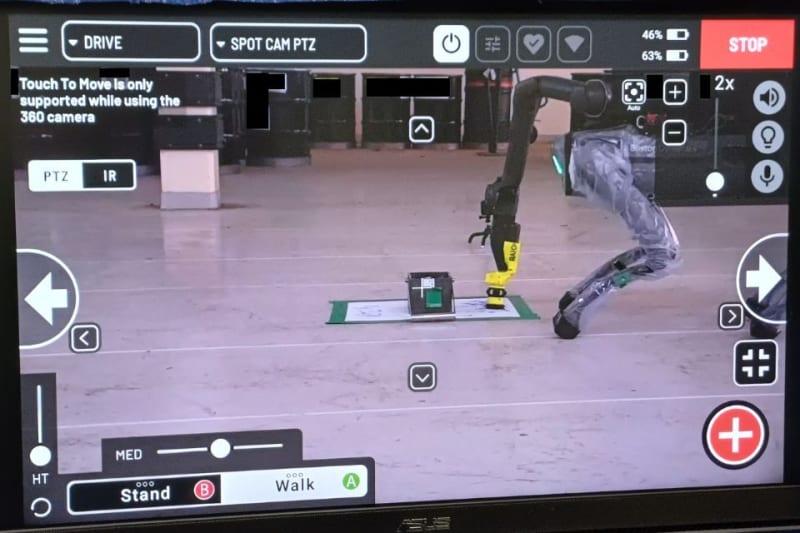
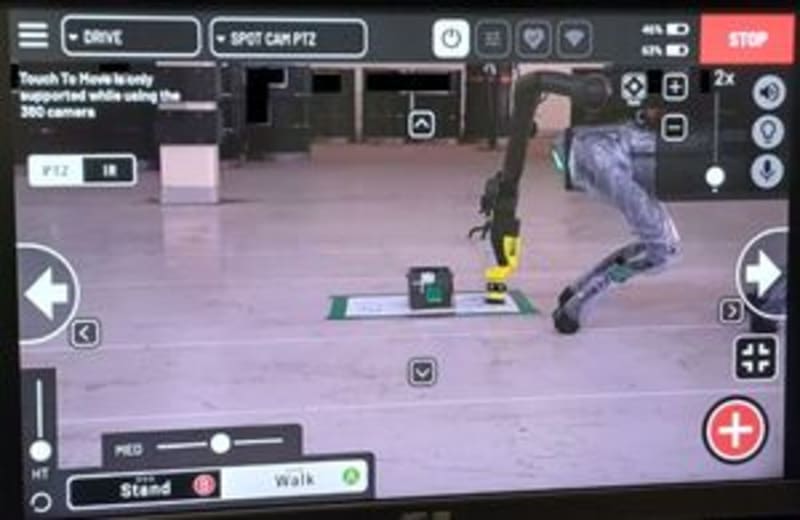
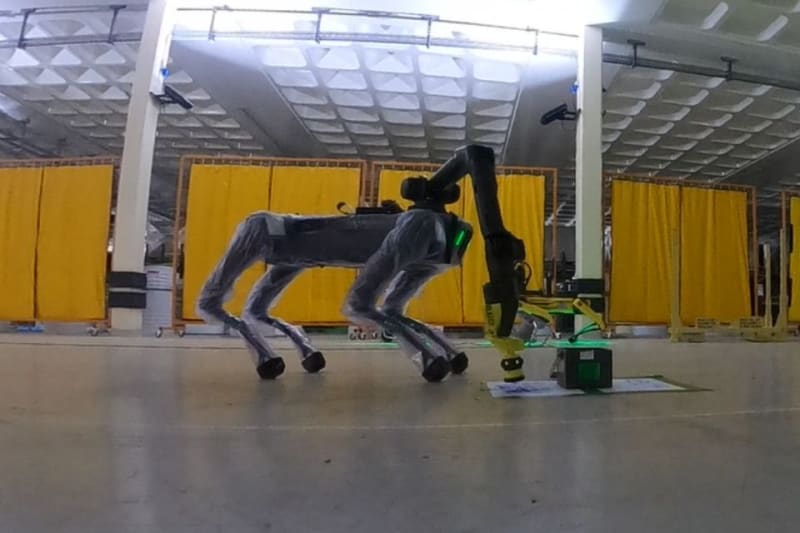
Sellafield's Remote Technologies Group successfully tested a specially designed swabbing tool mounted on Spot, a four-legged robot, in an area containing radioactive material. The robot walked into a restricted zone, inspected a simulated radiological spill, and took a contamination sample using movements that mimic human hands.
This isn't just a cool tech demo. Health physics teams at Sellafield perform hundreds of these swabs every single day, entering contaminated areas to monitor radiation levels with circular paper filters. Each swab provides vital data that keeps decommissioning projects safe and compliant with regulations.
The breakthrough lies in the tool's design. Using a haptic controller from Haply Robotics and custom software developed by RAICo (Robotics & AI Collaboration), operators can control the robot's movements in real time. The robot replicates the complex, non-linear swabbing motion humans normally perform, capturing accurate samples without compromising safety or precision.
During the controlled trial, Spot retrieved a sample of blue chalk simulating contamination and brought it back successfully. The mission proved that tasks traditionally requiring human exposure to radiation could be performed remotely with the same accuracy.
The Ripple Effect
This successful deployment opens doors far beyond Sellafield. RAICo, a collaboration between the UK Atomic Energy Authority, Nuclear Decommissioning Authority, Sellafield Ltd, the University of Manchester, and other partners, tested similar technology at the Joint European Torus fusion facility in Culham earlier in 2025. The tool could revolutionize safety protocols at both nuclear decommissioning and fusion engineering sites across the UK.
Deon Bulman, who leads the ROV Equipment Programme at Sellafield, emphasized how the robot's agility allows it to reach areas too hazardous for personnel. The intuitive haptic feedback provides precise manipulation, reducing task time and increasing confidence in samples while supporting faster, more cost-effective operations.
Ewan Scholefield, the Sellafield engineer who first suggested using Spot in emergency scenarios, noted how quickly robotics adoption is moving in the nuclear industry. People are recognizing the versatility of robots like Spot, especially with bespoke tools that enable them to mimic specific human movements.
By working as an integrated team, RAICo partners are avoiding duplication and delivering greater value from public investment. Innovation flows between academic institutions, UK companies, and nuclear sites, creating solutions that protect workers today and accelerate the cleanup of Britain's nuclear legacy.
The future of nuclear safety might just walk on four legs.
More Images
Based on reporting by Google: robotics innovation
This story was written by BrightWire based on verified news reports.
Spread the positivity!
Share this good news with someone who needs it