Robot JOY Preps for 2027 Space Station Launch After Tests
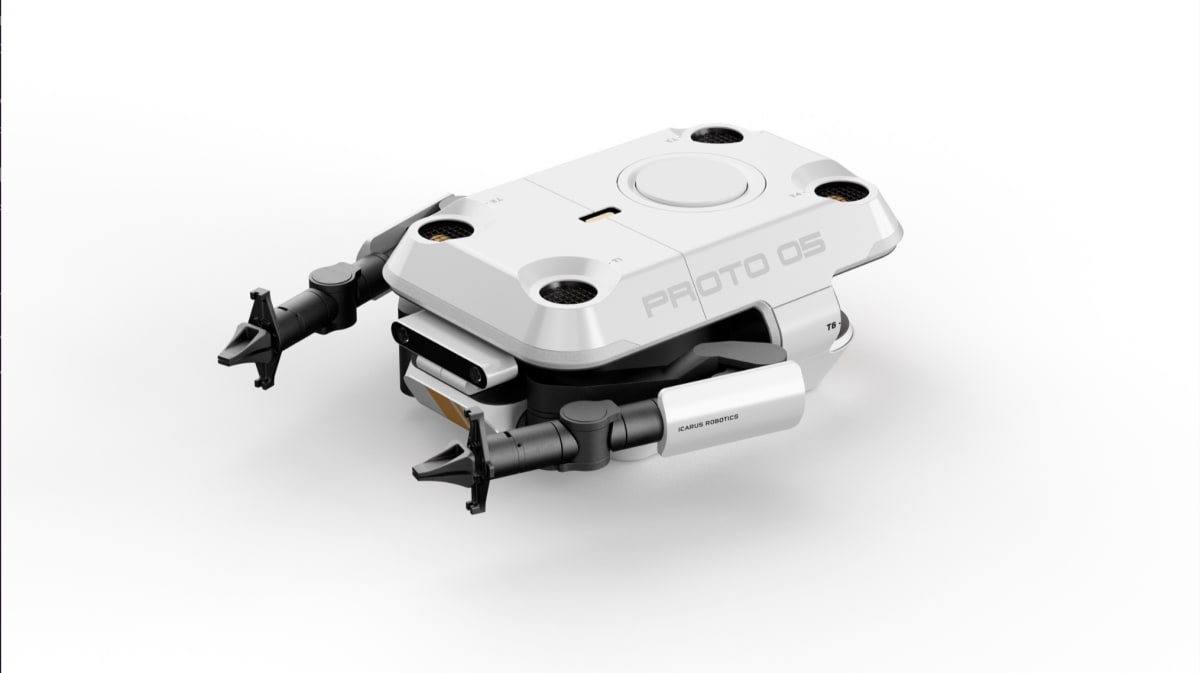
A free-flying robot designed to handle cargo on the International Space Station just aced its final major tests in microgravity. JOY will launch in 2027 to free up astronauts for more important research work.
Astronauts on the International Space Station spend hours every day moving cargo and managing logistics instead of conducting groundbreaking research. That's about to change.
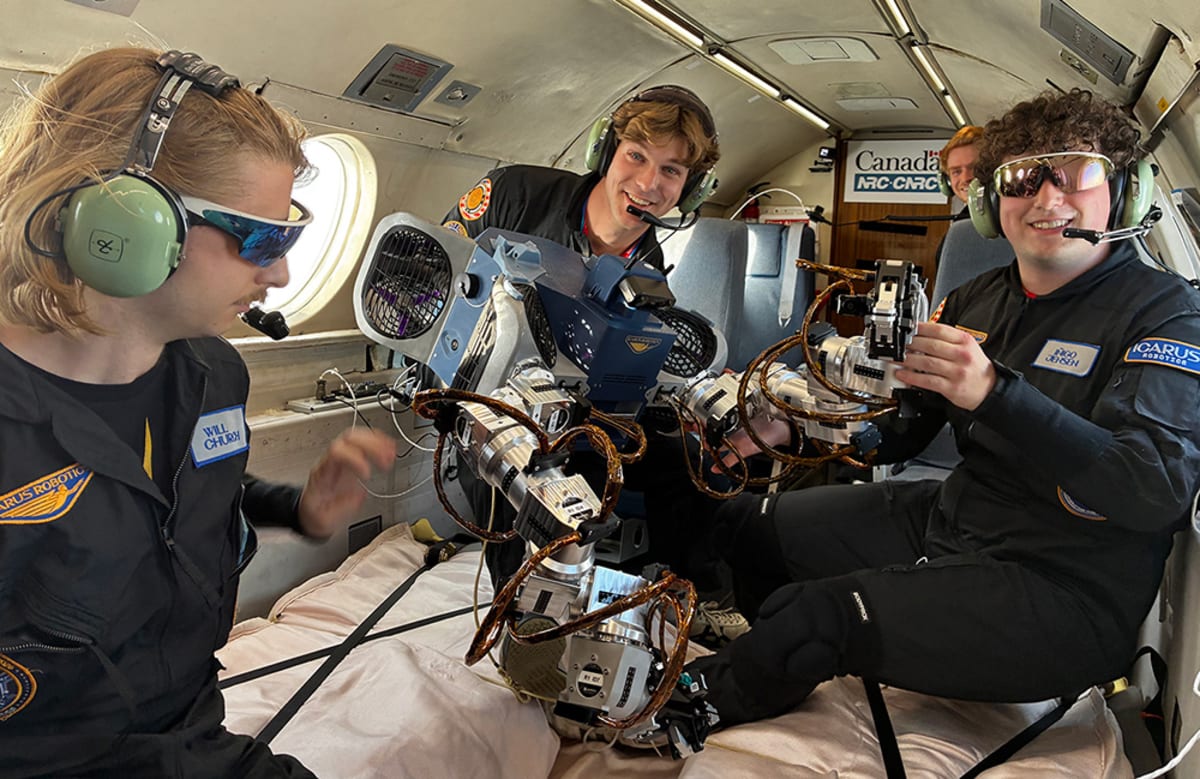
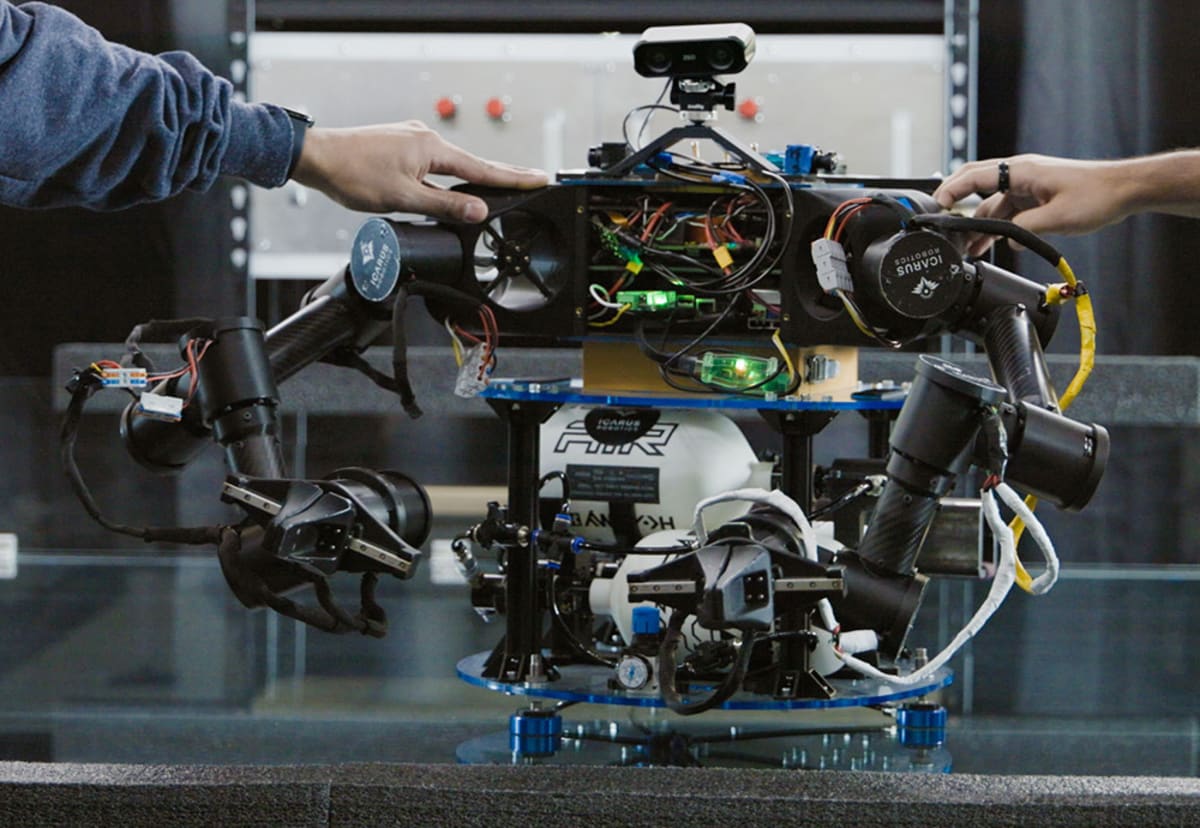
Icarus Robotics just completed the final major test of JOY, a free-flying robot with arms and grippers designed to take over those time-consuming tasks. The Brooklyn-based startup flew JOY through 66 parabolas across four flights in September, giving the robot two full minutes of weightlessness to prove it can work in space.
JOY exceeded every goal the team set. The robot's seven-degree-of-freedom arms, built entirely in-house, handled movement and disturbances better than engineers expected. The flight control systems and state estimation both performed well, even in the challenging conditions of parabolic flight where microgravity constantly fluctuates.
The team tested pre-recorded movement patterns, physically moved the robot to test its sensors, and watched it recover its position after being disturbed. Co-founder Jaime Palmer said the arms were "one of the biggest unknowns and one of the hardest things to model in the simulator," but they worked beautifully.
NASA will receive JOY's flight hardware in January. The robot will launch to the ISS in 2027 as Joyride-1, under a mission management agreement with Voyager Technologies. Icarus plans to operate JOY through remote control at first, then gradually develop autonomy as the robot gathers real space data.
Why This Inspires
This isn't just about a clever robot. It's about unlocking human potential in one of the most extreme environments imaginable. Every hour astronauts spend hauling cargo bags is an hour not spent on medical breakthroughs, materials research, or experiments that could change life on Earth.
Icarus raised $6.1 million last year specifically to turn their prototype into a production-ready system. That confidence from investors shows how ready the space industry is for this kind of practical innovation.
The successful tests prove that robotics can enhance human spaceflight rather than replace it. JOY will handle the routine work while astronauts focus on what only humans can do: making judgment calls, conducting complex experiments, and pushing the boundaries of discovery.
By 2027, the International Space Station will have its first cargo-handling robotic assistant, giving astronauts back precious time to do what they went to space for in the first place.
More Images

Based on reporting by The Robot Report
This story was written by BrightWire based on verified news reports.
Spread the positivity!
Share this good news with someone who needs it