Robot Named Surgie Performs World's First Surgery Successfully
A humanoid robot has successfully removed a gallbladder in the world's first robotic surgery, opening doors to wider medical access. The breakthrough could bring critical operations to patients who can't reach specialized surgeons.
For the first time in history, a humanoid robot has performed surgery on a patient, marking a milestone that could transform healthcare access worldwide.
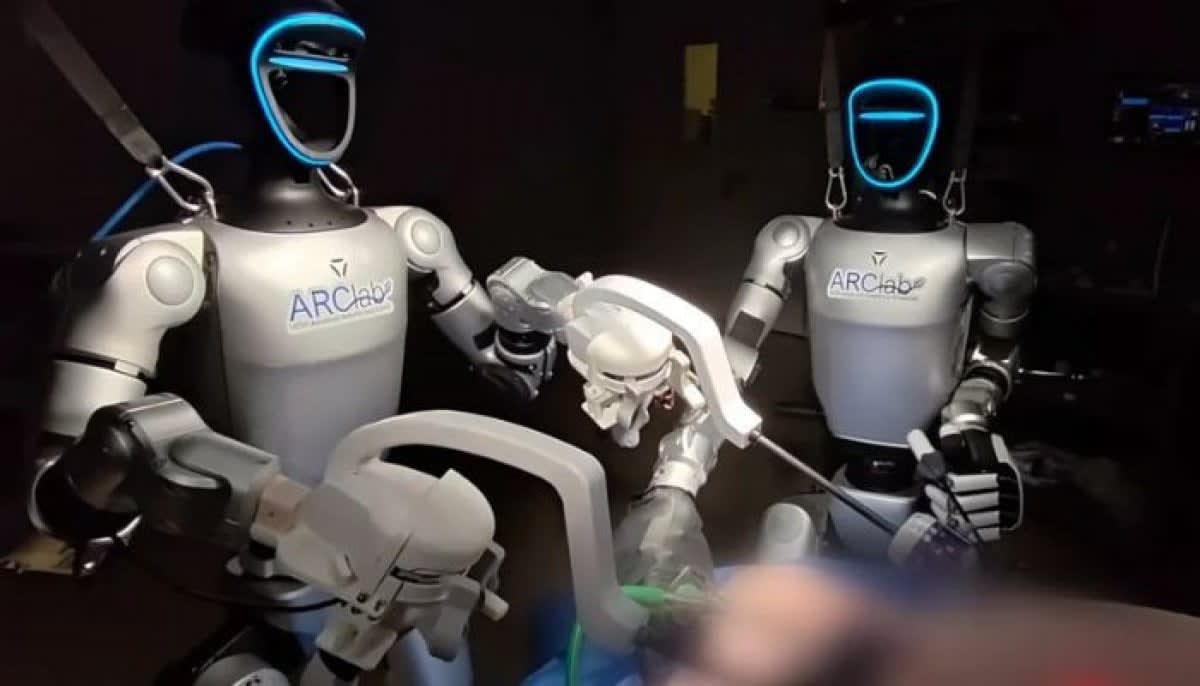
The robot, named Surgie, worked alongside surgeons at the University of California San Diego to successfully remove a gallbladder. A trained surgeon controlled the robot remotely during the groundbreaking procedure.
In a second operation, two humanoid robots performed another gallbladder removal surgery on non-primate mammals. Both procedures demonstrated that these versatile machines can handle delicate surgical tasks safely and effectively.
Dr. Michael Yip, who led the research team at UC San Diego, points out that humanoid robots offer major advantages over existing surgical technology. They cost significantly less than specialized surgical robots while taking up much less space in operating rooms.
More importantly, these robots can perform a wider range of procedures than single-purpose robotic systems. This versatility means hospitals wouldn't need multiple expensive machines for different operations.
The Ripple Effect
The real promise lies in reaching patients who desperately need surgery but can't access it. Remote operation means a skilled surgeon in New York could perform a lifesaving procedure on someone in rural Alaska or a developing country.
Researchers are now working to integrate artificial intelligence that would allow these robots to assist surgeons autonomously. Dr. Yip envisions an operating room where humanoid robots and human surgeons work side by side as an integrated team.
This technology could address healthcare shortages not just in underserved American communities, but globally. Field medicine scenarios like disaster zones or military operations could also benefit from robots that don't need specialized infrastructure.
The findings, published in Nature Journal, represent years of careful development and testing. The team focused on ensuring these robots could match human precision while remaining safe and reliable.
Healthcare access remains one of the world's most pressing challenges, and this breakthrough offers hope that geography won't determine who receives lifesaving care.
Based on reporting by Google News - Health Breakthrough
This story was written by BrightWire based on verified news reports.
Spread the positivity!
Share this good news with someone who needs it