Robot Platform Sees Plant Roots Grow in Real Time
Scientists can now watch plant roots grow underground without disturbing them, thanks to a first-of-its-kind robotic platform. This breakthrough could speed up the development of crops that survive droughts and produce clean fuels.
Imagine trying to understand how a building works by only looking at the top floors and never checking the foundation. That's exactly what plant scientists have been doing for decades, missing half the story happening underground.
Now, Oak Ridge National Laboratory has launched a groundbreaking robotic platform that continuously watches plant roots grow through soil without disturbing them. The system captures millions of images around the clock, feeding data to AI systems that reveal how roots respond to stress, absorb water, and support the plant above.
The platform fills a critical gap in plant science. Roots regulate everything from water uptake to stress response, but studying them traditionally meant digging up plants at specific moments, destroying them in the process and missing what happened in between.
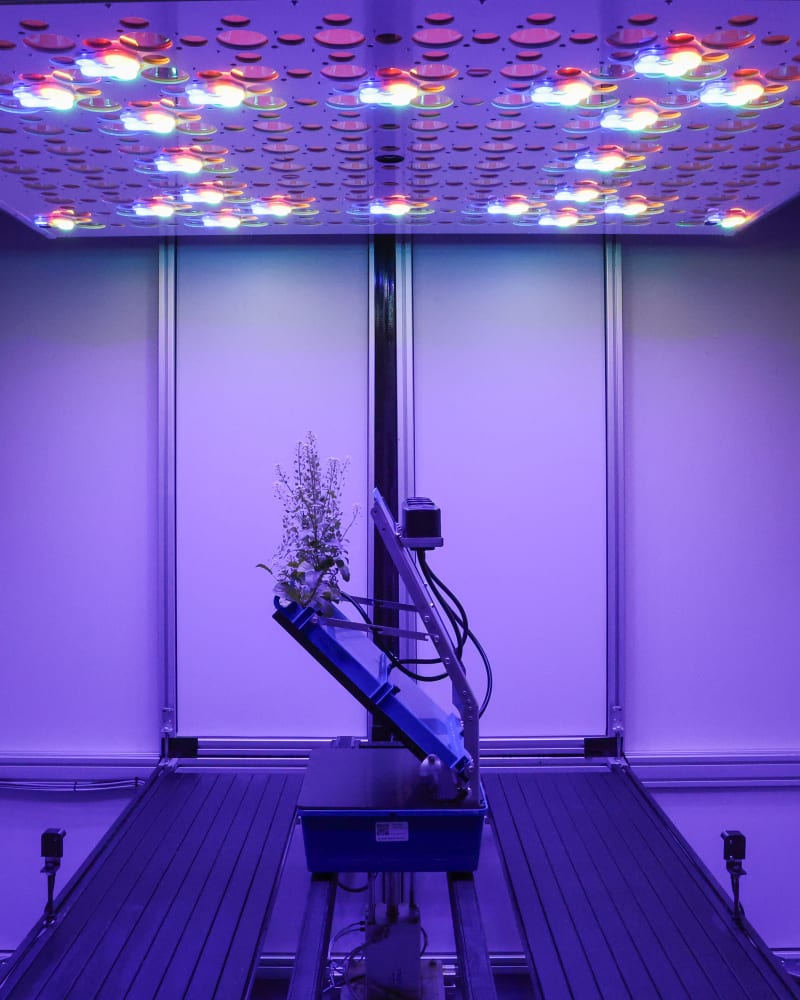
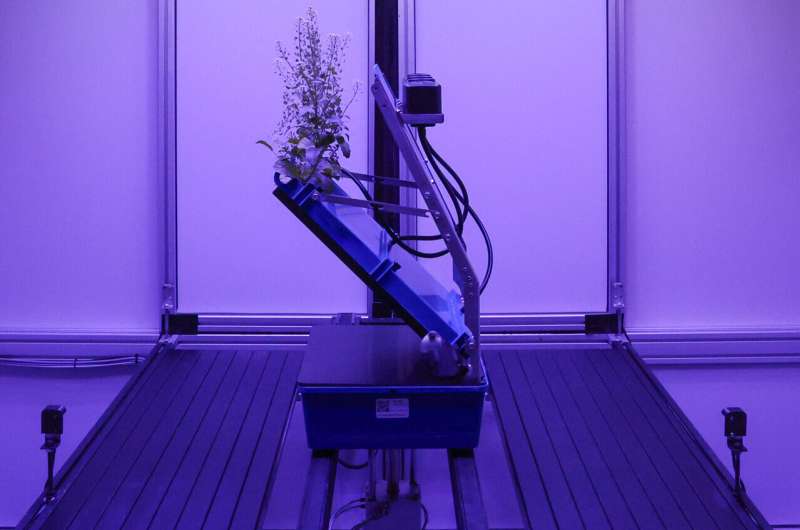
The new system uses clear, flat boxes called rhizoboxes with sliding covers that block light from the roots. A robot removes each cover as the box enters an imaging chamber, where high-resolution cameras capture both structural details and physiological data like water content. The plants stay intact and keep growing while scientists collect up to one terabyte of data weekly.
The real magic happens when researchers combine root data with information about leaves, stems, and flowers growing above ground. For the first time, scientists can watch how a plant divides its energy between roots and shoots, or see how water absorption below connects to photosynthesis above. No other facility in the world can do both simultaneously on the same living plant.
Larry York, a senior scientist who specializes in root research, explains that understanding this complete picture is essential for breeding better crops. The system can simulate different growing conditions by watering at various depths, mimicking everything from rising groundwater to rainfall filtering down through soil.
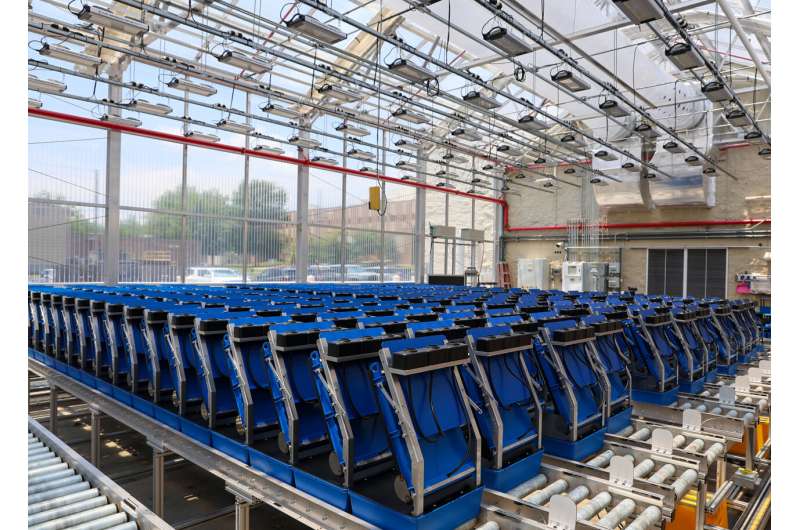
The facility can handle over 500 rhizoboxes operating continuously, generating massive datasets analyzed using Oak Ridge's Frontier supercomputer, one of the world's most powerful AI systems. This combination of automation, advanced imaging, and artificial intelligence lets researchers answer fundamental questions about plant survival in days rather than years.
The Ripple Effect
This technology arrives at a crucial moment. Climate change is making droughts more severe and unpredictable, threatening food security worldwide. By accelerating the development of stress-tolerant crops, this platform could help farmers grow food in challenging conditions while also advancing plants designed to produce sustainable fuels, chemicals, and materials.
Jerry Tuskan, director of the DOE Center for Bioenergy Innovation, notes that the time-series perspective changes everything. Instead of snapshots at single moments, scientists now get a continuous movie of how plants adapt and thrive, keeping specimens alive for future study rather than destroying them for a single measurement.
The hidden world beneath our feet just became visible, and the insights growing there could help feed and fuel a changing planet.
More Images


Based on reporting by Phys.org
This story was written by BrightWire based on verified news reports.
Spread the positivity!
Share this good news with someone who needs it