Robot Takes Blood Draws with 94.5% Success in 1,633 Patients
A fully autonomous robot just proved it can draw blood as well as humans, achieving a 94.5% first-try success rate across more than 1,600 patients in regular hospital settings. Even better, 90% of patients said it hurt less than traditional needle sticks.
Getting your blood drawn might soon be gentler, faster, and more reliable thanks to a robot that's proving it can match human phlebotomists.
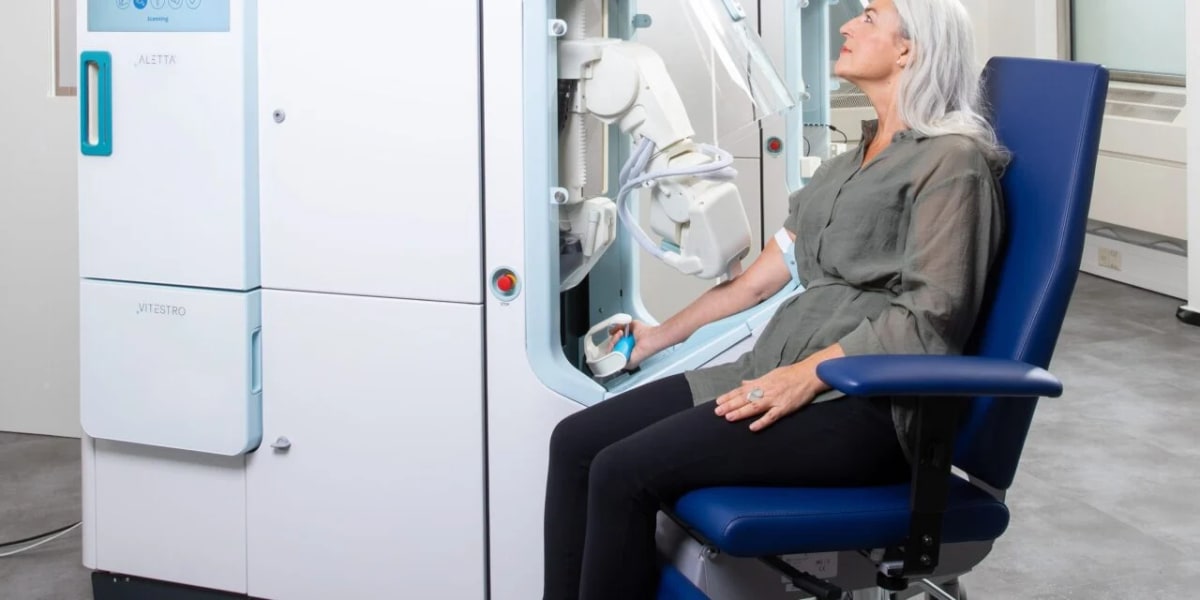
Vitestro's autonomous blood draw robot, called Aletta, just completed the first major multicenter trial across three Dutch hospitals. Out of 1,633 patients who got their blood drawn by the robot, it succeeded on the first stick 94.5% of the time when it found a suitable vein.
The robot uses near-infrared imaging, real-time ultrasound, and Doppler technology to locate veins and distinguish them from arteries. Artificial intelligence guides the needle insertion, creating a consistent process that doesn't depend on a technician's skill level or how exhausted they are at the end of a long shift.
What surprised researchers most was how well Aletta performed with traditionally difficult patients. It achieved a 97.4% success rate in patients with a BMI over 30, where extra tissue can hide veins. For patients over 65, whose veins can be fragile and harder to access, the success rate was 93.4%. Even patients who described themselves as having difficult veins saw a 92.7% first-stick success rate.
Safety numbers looked equally promising. The hemolysis rate (when red blood cells break down during collection, ruining the sample) was just 0.3%, lower than typical manual draws. Adverse events occurred in only 0.6% of cases, all categorized as mild.
The patient experience offered perhaps the most encouraging finding. Nine out of ten people said the robot's needle hurt the same or less than a human's. More than 82% said they'd prefer using the robot next time or didn't have a preference. A separate study at Mayo Clinic in Rochester, Minnesota, found 86% of patients willing to try the device.
The Ripple Effect
This technology addresses a real crisis in healthcare. Phlebotomy departments face chronic staffing shortages while demand for blood tests keeps climbing. A robot that works consistently could help labs keep up without burning out human staff.
The standardization matters beyond just getting the blood. When every draw happens the same way, sample quality improves and test results become more reliable. That means better diagnoses and fewer patients getting called back because their sample was damaged during collection.
The system is already approved and in use across Europe. While it hasn't yet received FDA authorization for the United States, the strong trial results provide the kind of evidence regulators look for.
Healthcare robots aren't replacing human touch, they're handling the repetitive technical tasks so medical staff can focus on patient care. This trial proves machines can do it well.
More Images

Based on reporting by Google News - Clinical Trial Success
This story was written by BrightWire based on verified news reports.
Spread the positivity!
Share this good news with someone who needs it