Robot Tractors Now Farming 255,000 Acres in Florida
The largest autonomous tractor fleet in American farming history is now operating across South Florida's sugarcane fields, solving labor shortages while keeping experienced workers in better jobs. This isn't a test run—it's already working.
📺 Watch the full story above
Autonomous tractors are quietly transforming one of America's largest farming operations, and the results are already showing up in the fields.
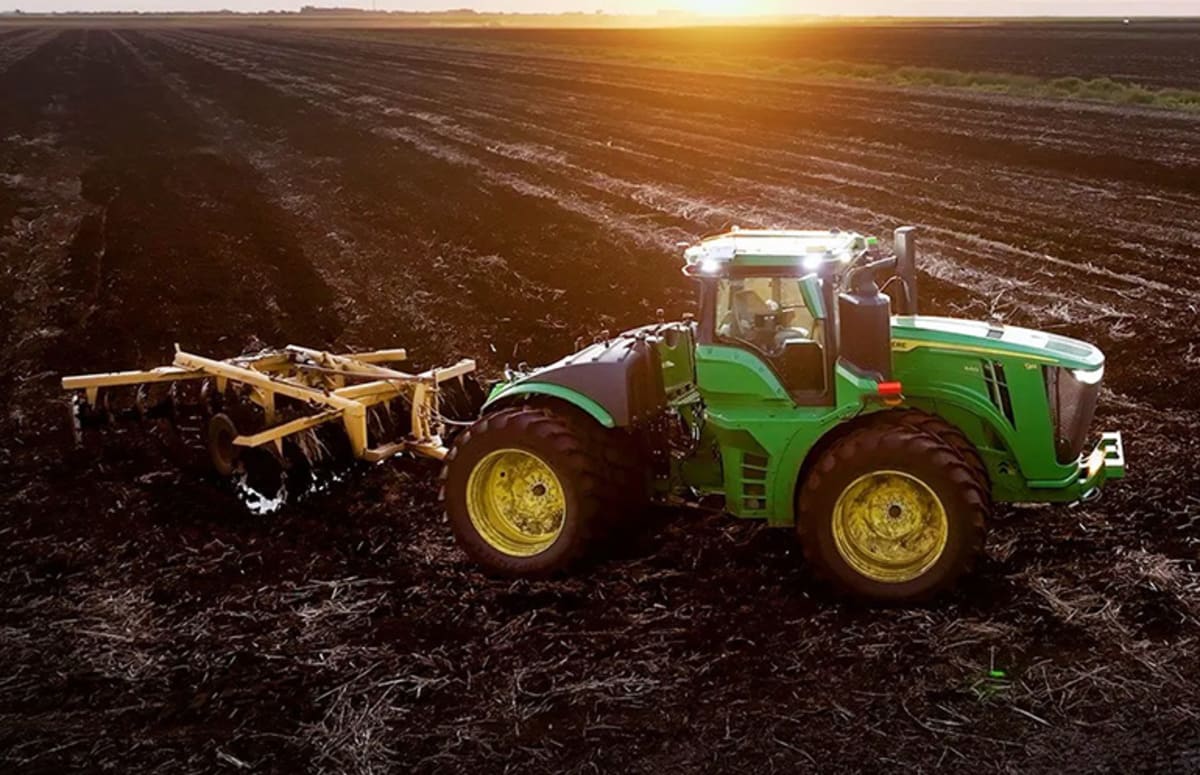
U.S. Sugar Corp. just deployed the biggest fleet of self-driving tractors in U.S. agricultural history across 255,000 acres of South Florida sugarcane farms. These aren't experimental machines watching from the sidelines. They're doing the actual work right now, preparing land with more accuracy than human-operated equipment while running around the clock.
The timing couldn't be better. Florida farmers recently faced unexpected deep freezes that caused $3.1 billion in crop losses statewide. When disaster strikes, every hour counts, but labor shortages mean crews can't always be everywhere at once.
That's where the robots change everything. One supervisor can now manage multiple tractors simultaneously, meaning urgent work happens regardless of crew availability or time of day. When a freeze threatens crops four miles away, autonomous machines are already moving.
Autonomous Solutions Inc. (ASI) equipped familiar John Deere tractors with their Mobius system, turning standard farm equipment into self-driving workhorses. The technology works with any manufacturer's vehicles, so farmers don't need to replace their entire fleet.
The company has spent 25 years deploying autonomous systems in demanding industrial environments worldwide. This sugarcane deployment draws on hundreds of millions of tons worth of real-world autonomous work experience.
The Ripple Effect
Here's what makes this story truly hopeful: U.S. Sugar isn't replacing workers. The company committed to retraining tractor operators for higher-skill supervisory roles overseeing the autonomous fleets.
The people who know the soil, understand crop cycles, and have years of field experience are exactly who should manage these systems. What changes is the physical toll and danger of sitting in machinery for long hours. Former operators now work in less physically demanding positions that use their expertise in new ways.
This deployment will expand across U.S. Sugar's entire footprint over the next decade. The same platform already runs thousands of autonomous vehicles across multiple industries, and agriculture is benefiting from those tested safety protocols and orchestration systems.
American farmers face growing demands with fewer workers, rising costs, and unpredictable weather. Technology that keeps experienced workers employed while solving labor constraints isn't just innovation—it's survival becoming sustainable.
More Images


Based on reporting by The Robot Report
This story was written by BrightWire based on verified news reports.
Spread the positivity!
Share this good news with someone who needs it