Robotic Heart Surgery Cuts Recovery Time by Half
A Bay Area hospital is performing bypass surgery through tiny incisions using robots, allowing patients to walk the next day instead of spending weeks in recovery. Just 1% of cardiac surgeries currently use this life-changing approach.
📺 Watch the full story above
When Raul Martin's smartwatch showed his heart racing at 200 beats per minute during his gym workout, he knew something was seriously wrong. The 64-year-old was rushed to El Camino Health in California, where doctors discovered he needed coronary artery bypass surgery.
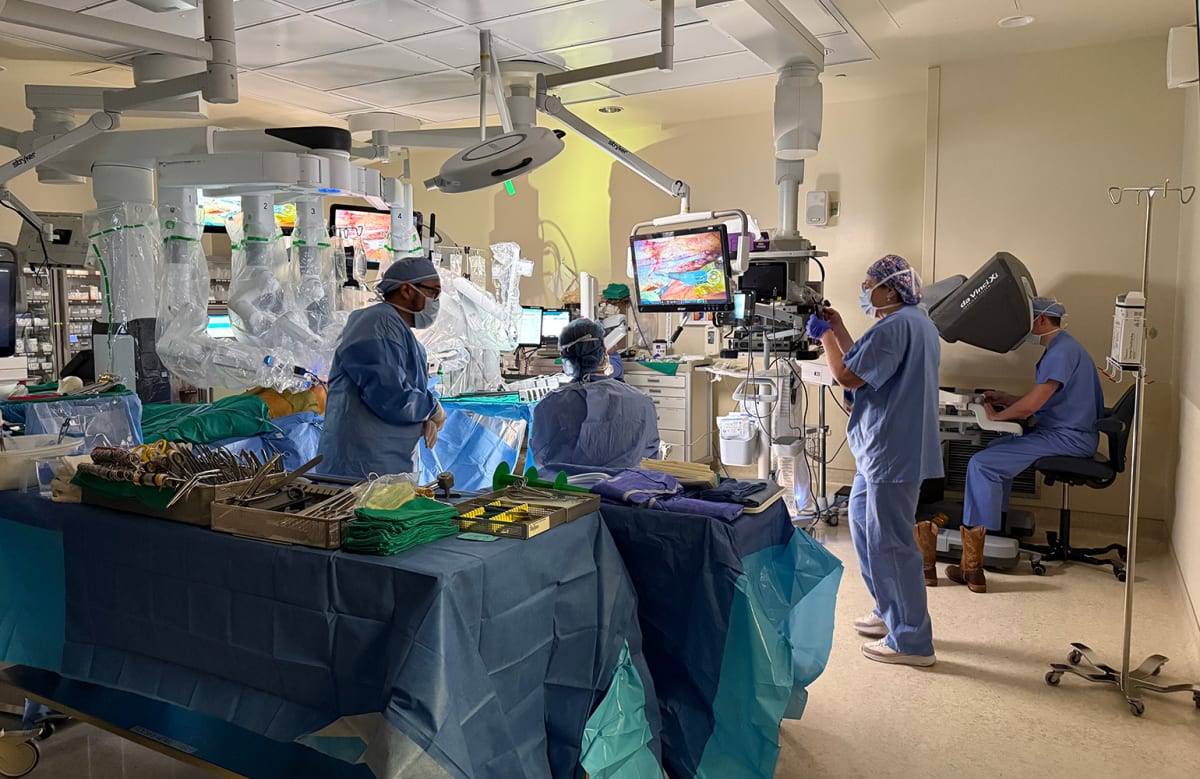
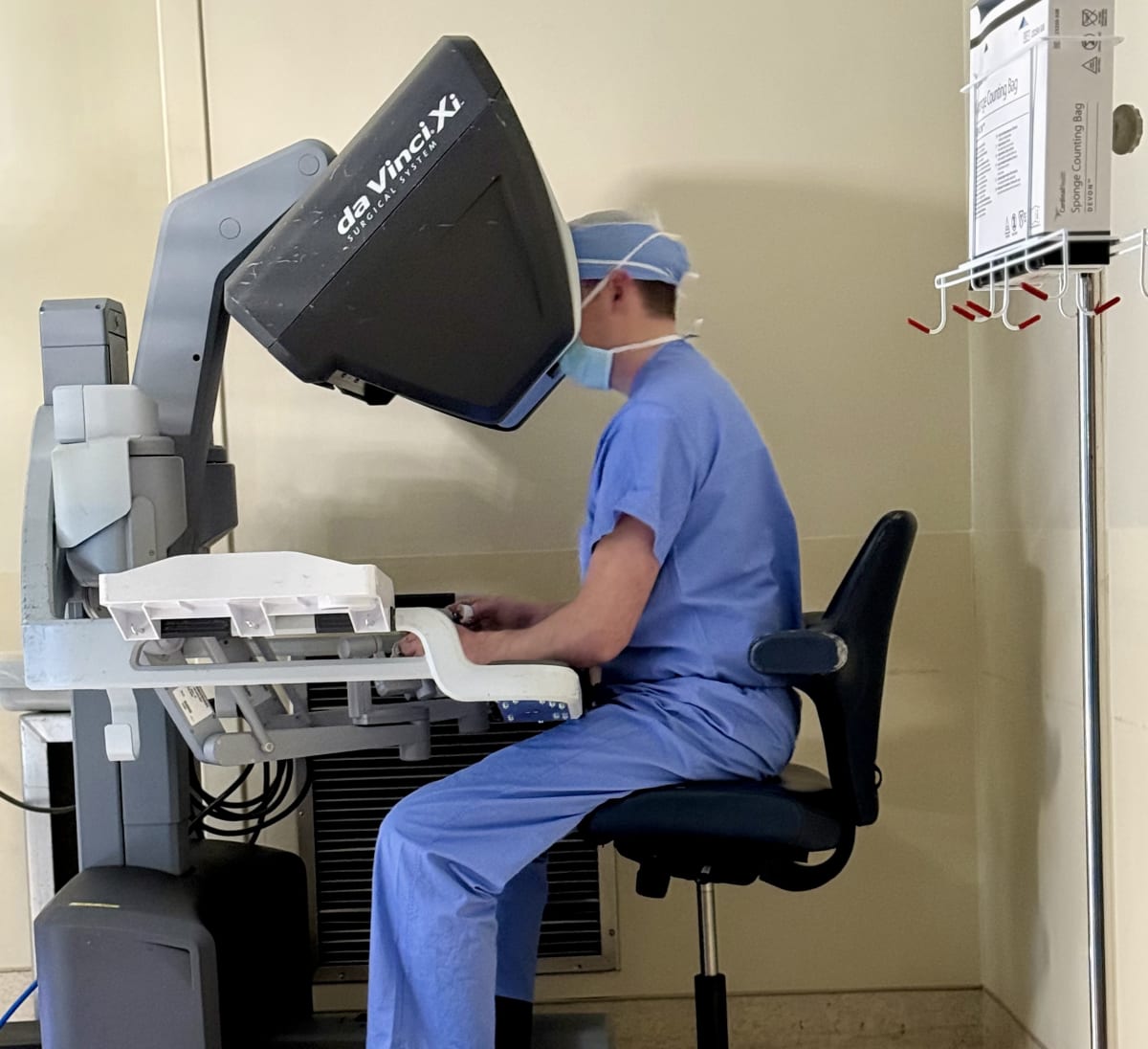
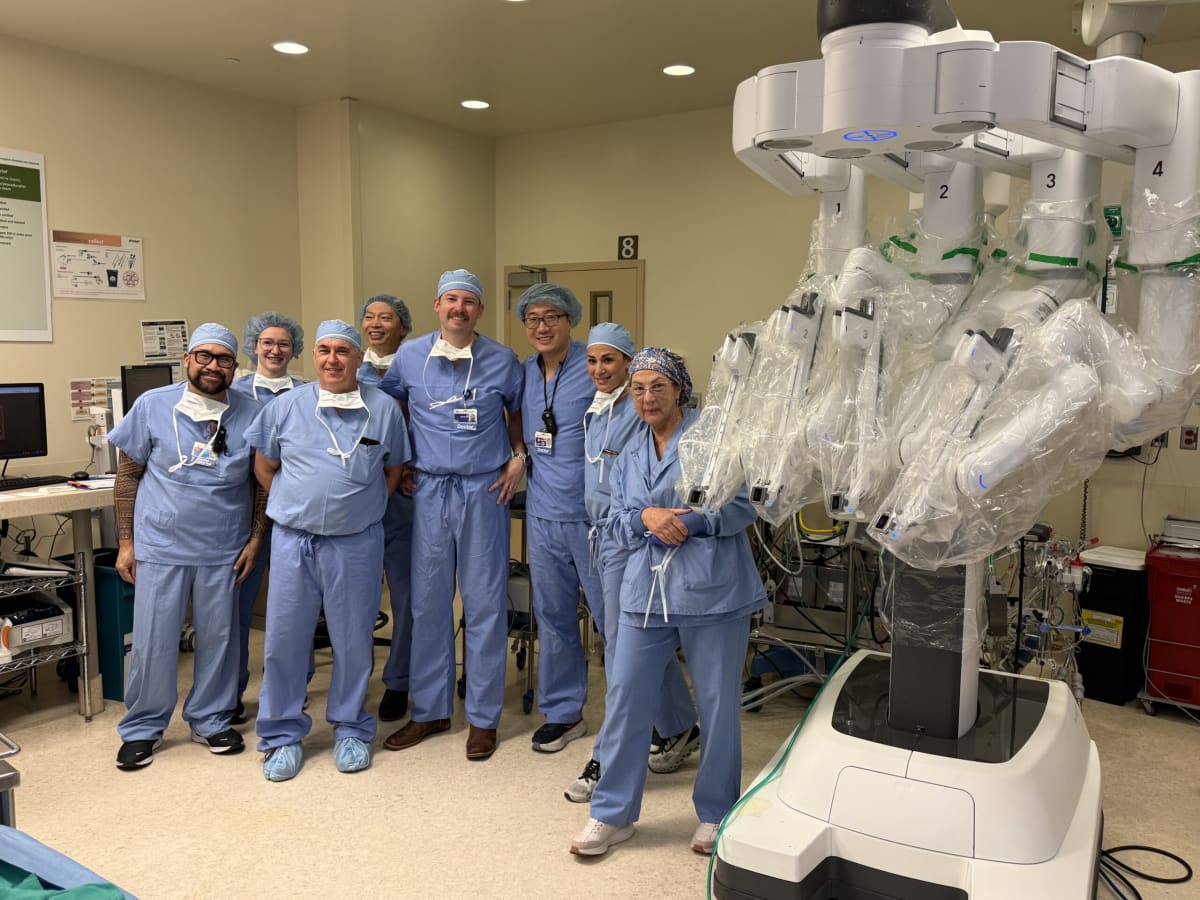
But instead of the traditional approach that would saw through his breastbone and leave him recovering for months, Martin got something different. Dr. Nels Carroll performed the surgery robotically, making small incisions between his ribs using the da Vinci surgical system.
The next day, Martin was walking the hospital halls feeling fine. A couple of days later, he went home and returned to his normal routine.
"The most challenging thing for the patient is that, historically, we have to cut their chest open," Carroll explained. "We have to divide the sternum and spread it to the side."
With robotic assistance, surgeons skip all that trauma. The tiny instruments and cameras fit through small incisions, allowing doctors to perform the same bypass procedure without cutting bone or major muscle groups.
The surgery itself repairs blocked arteries around the heart. Carroll describes it simply: "Think of the heart as the engine that's pumping the blood. That engine has its own fuel lines, and it's very common for people to develop disease in those fuel lines. Bypass surgery is just us putting on new fuel lines."
What makes this technology remarkable is how much faster patients bounce back. Traditional bypass patients spend weeks recovering from having their breastbone wired back together with stainless steel. Robotic surgery patients often leave the hospital in days with far less pain.
The Ripple Effect
The benefits extend beyond patients to the surgical teams themselves. Carroll notes that after a busy day of robotic heart surgery, "your back's not as achy, your neck's not sore, and you still have a little bit of energy to get to the gym and have some other balance in your life."
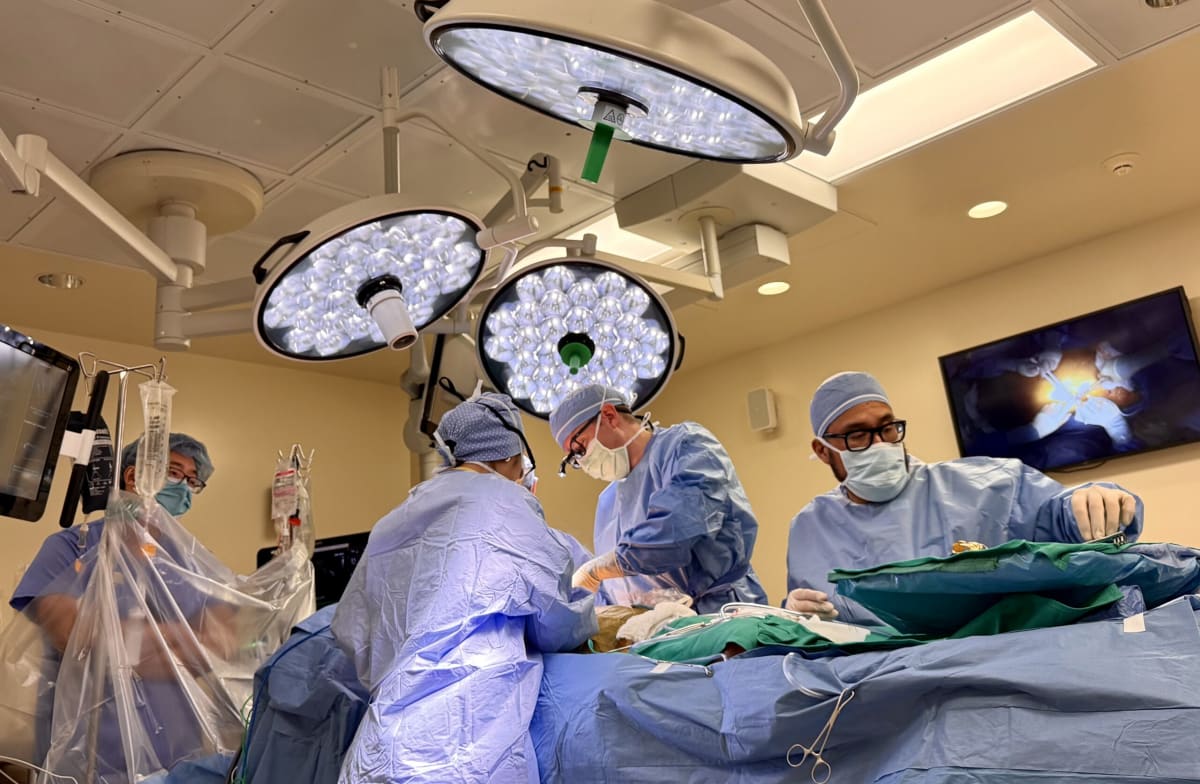
Better ergonomics mean surgeons can work longer careers with less burnout. The technology also improves training because everyone on the surgical team can see clearly what's happening through high-definition cameras, helping new surgeons learn faster.
Despite these dramatic improvements, only 1% of coronary bypass surgeries worldwide use robots. Carroll says some patients still need traditional surgery for complex cases, and many doctors simply don't know the technology exists yet.
As more hospitals adopt robotic systems and more physicians learn about the option, that number should grow, bringing faster recoveries and less traumatic experiences to cardiac patients everywhere.
More Images

Based on reporting by The Robot Report
This story was written by BrightWire based on verified news reports.
Spread the positivity!
Share this good news with someone who needs it