Robots and Humans Working Side by Side Safely in Factories
Companies are proving that humans and robots can work together without injuries when safety comes first. From Toyota to DHL, smart workspace design is making factories safer and more productive.
📺 Watch the full story above
Factory workers once feared robots would replace them, but a new partnership is proving everyone can win together.
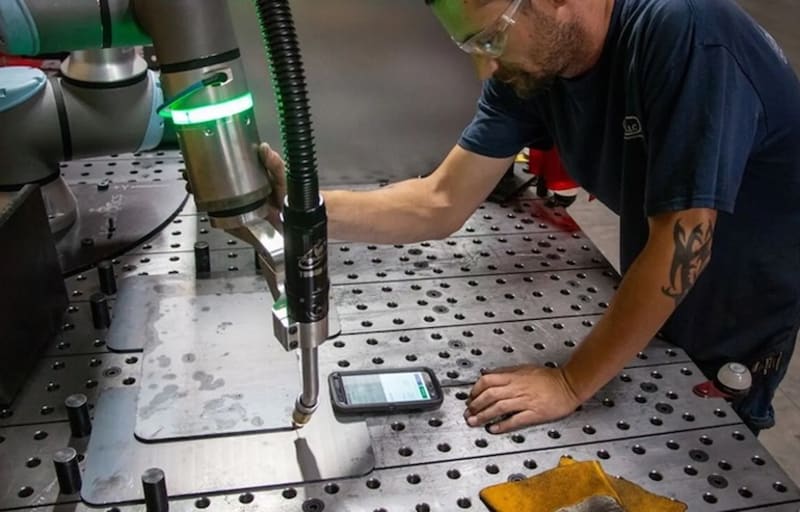
Collaborative robots, or cobots, are transforming workplaces by handling tedious and dangerous tasks alongside human workers. These specialized machines can transport inventory, inspect products for quality, and even monitor workplace safety while humans focus on skilled work that requires creativity and judgment.
The secret to success isn't just the technology. It's the thoughtful design of workspaces that puts employee safety above everything else.
Companies are following strict safety guidelines to create multi-layered protection systems. These include safety mats that detect when workers enter danger zones, light curtains that trigger automatic stops, and sensors built into the robots themselves that slow down or halt movement when humans approach.
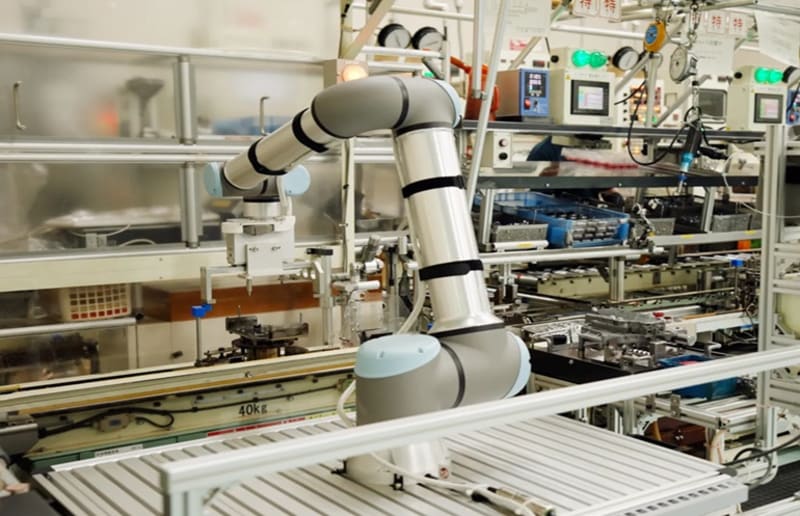
Toyota Motor Hokkaido installed three types of cobots in its automotive plant, each equipped with safety scanners that sense approaching workers. The robots slow down automatically and stop completely if they make contact with anyone. Production rates jumped to 98% while keeping workers completely safe.
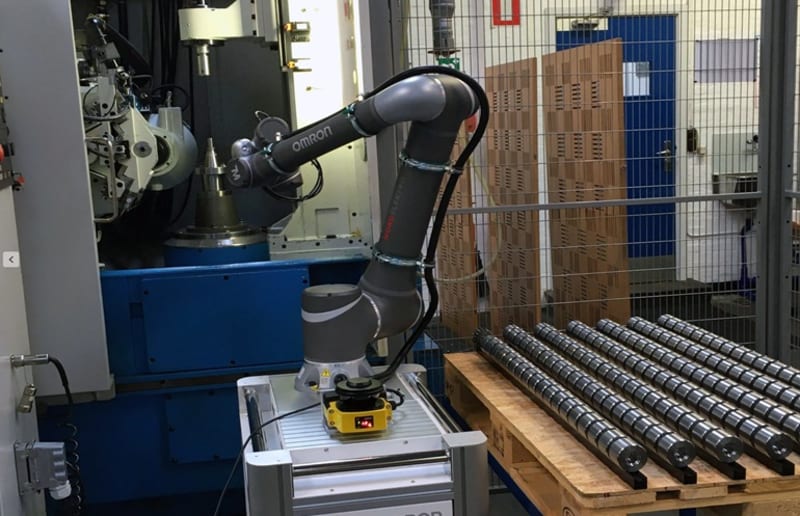
Fischer Gears took a different approach by using cobots that don't need protective fencing at all. Their integrated scanners reduced manual machine feeding by 70% while letting employees move freely through the workspace. The open design actually improved collaboration between humans and machines.
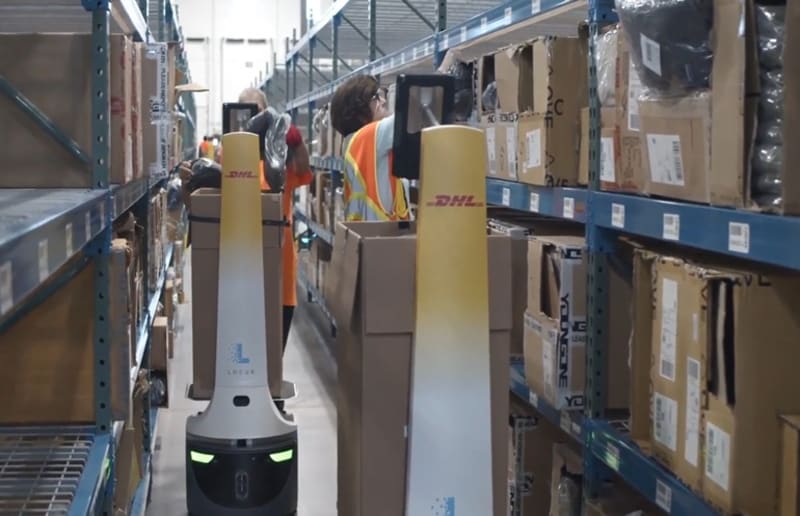
DHL Supply Chain deployed 5,000 autonomous mobile robots across its warehouses to help transport and pick inventory. The robots reduced physical strain on workers who previously lifted and carried heavy items all day.
The Ripple Effect
The transformation goes beyond individual companies. When workers feel safe around cobots, they embrace the technology instead of resisting it. This opens doors for facilities to solve long-standing problems like repetitive strain injuries, inspection errors, and dangerous manual tasks.
Ergonomic workspace design matters just as much as the robots themselves. Companies are creating stations that prevent awkward movements and eye strain, with plenty of clearance for workers to adjust their positions comfortably. Better lighting and ventilation make the environment healthier for everyone.
Training plays a crucial role too. Workers learn to read status indicators and understand what the robots will do next. Clear interfaces help employees respond quickly to alerts and changes in the cobot's behavior.
The partnership between humans and machines works best when companies invest in comprehensive risk assessments before installation. Safety managers identify potential hazards and design fail-safes for every scenario they can imagine.
These success stories prove that automation doesn't have to come at the cost of worker wellbeing. Smart design creates workplaces where humans and robots bring out the best in each other.
More Images

Based on reporting by The Robot Report
This story was written by BrightWire based on verified news reports.
Spread the positivity!
Share this good news with someone who needs it