Robots Could Make Life-Saving Cell Therapies More Available
AstraZeneca is partnering with robotics company Multiply Labs to automate the complex process of making cell therapies, potentially making these breakthrough treatments accessible to more patients. The collaboration could transform how these powerful medicines reach people who need them.
📺 Watch the full story above
Cell therapies can cure diseases that were once untreatable, but making them is so complicated and expensive that many patients can't access them.
That's about to change. AstraZeneca just announced a partnership with San Francisco robotics company Multiply Labs to automate cell therapy manufacturing using advanced robotic systems.
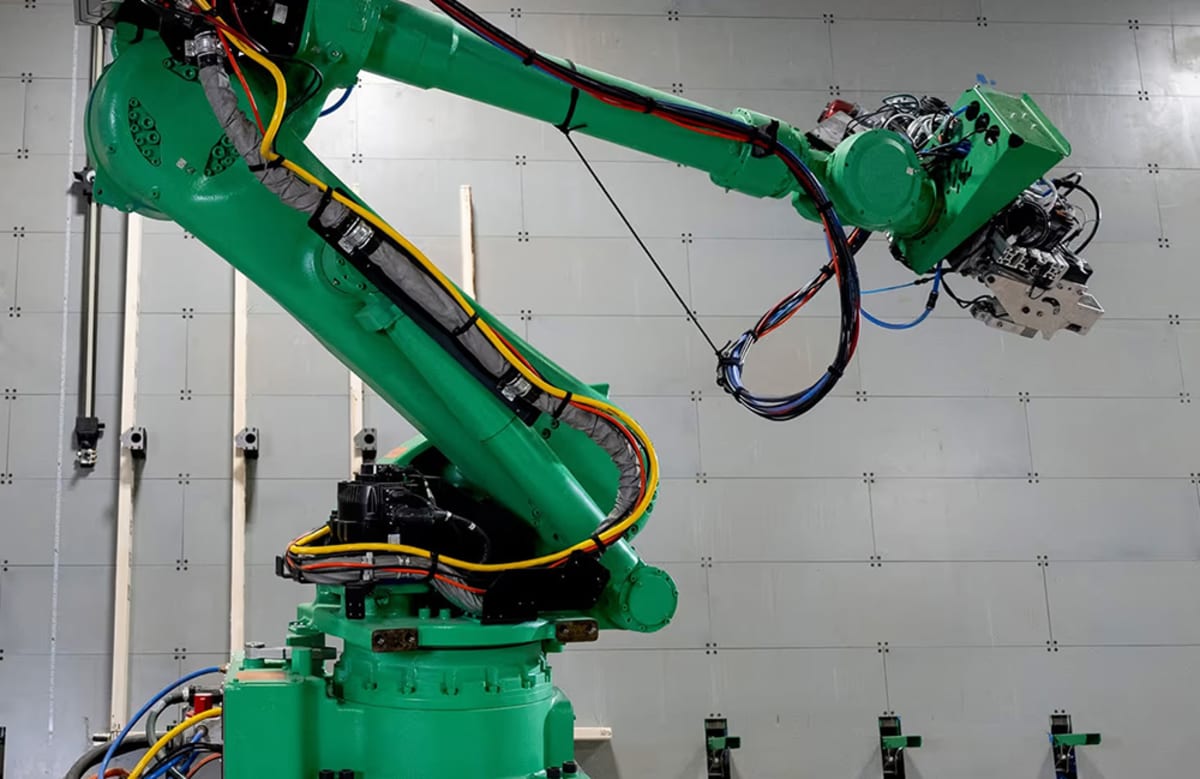
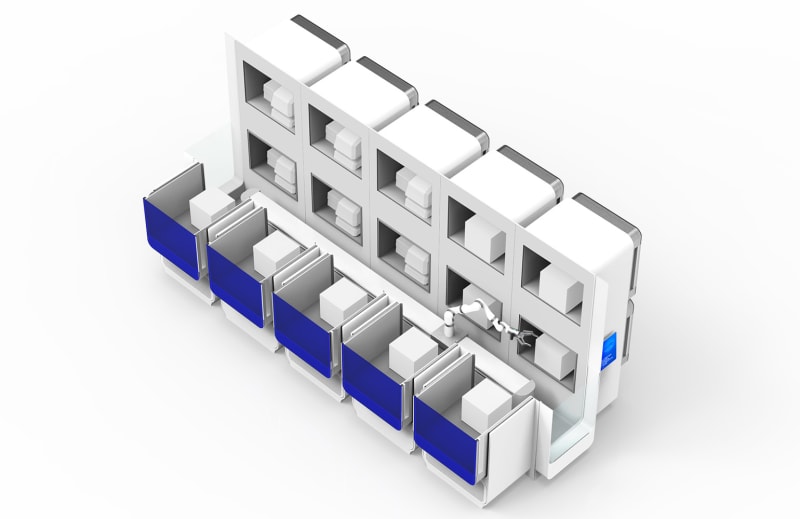
The collaboration will test whether four-armed robotic clusters can handle the delicate, precise work currently done by hand in cell therapy production. These robots work in parallel, running multiple industry-standard instruments at once while maintaining the strict quality standards required for medicines.
"Cell therapies are among the most promising, yet complex medicines being developed today," said Fred Parietti, CEO of Multiply Labs. The company's mission is to make these therapies more widely available by increasing manufacturing efficiency and scale.
Founded in 2016, Multiply Labs has built a team that combines robotics expertise with pharmaceutical knowledge. Their cloud-controlled systems are designed to maximize output in existing facilities without requiring companies to completely redesign their processes.
The Ripple Effect
This partnership represents more than just one company working with another. It's part of a growing movement to democratize access to cutting-edge medical treatments.
Multiply Labs has already partnered with Thermo Fisher Scientific to automate cell isolation and activation steps. In June, the company began working with Kyverna Therapeutics to streamline production of treatments for autoimmune diseases.
Each collaboration brings these life-changing therapies closer to patients who desperately need them. When manufacturing becomes faster and more efficient, costs can drop and availability can expand beyond major medical centers.
The technology could help pharmaceutical companies produce cell therapies at commercial scale while maintaining the rigorous safety standards patients deserve. Right now, making these treatments requires highly skilled technicians performing repetitive tasks by hand, which limits how many doses can be produced.
Robots excel at exactly those kinds of precise, repetitive procedures. By handling the routine work, they free up human experts to focus on quality control and innovation while dramatically increasing production capacity.
The world's largest pharmaceutical manufacturers are already customers of Multiply Labs, betting that automation is the key to making breakthrough medicines available to everyone who needs them, not just those who can afford experimental treatments at elite hospitals.
More Images



Based on reporting by The Robot Report
This story was written by BrightWire based on verified news reports.
Spread the positivity!
Share this good news with someone who needs it