
Robots Could Make T-Shirts While Cutting Carbon 45%
New robots are learning to make clothes without sewing, potentially bringing garment production back to the US and Europe while dramatically reducing fashion's environmental footprint. The technology could slash greenhouse gas emissions from making a single t-shirt by nearly half.
Your next t-shirt might be made by a robot that never learned to sew, and that's actually great news for the planet.
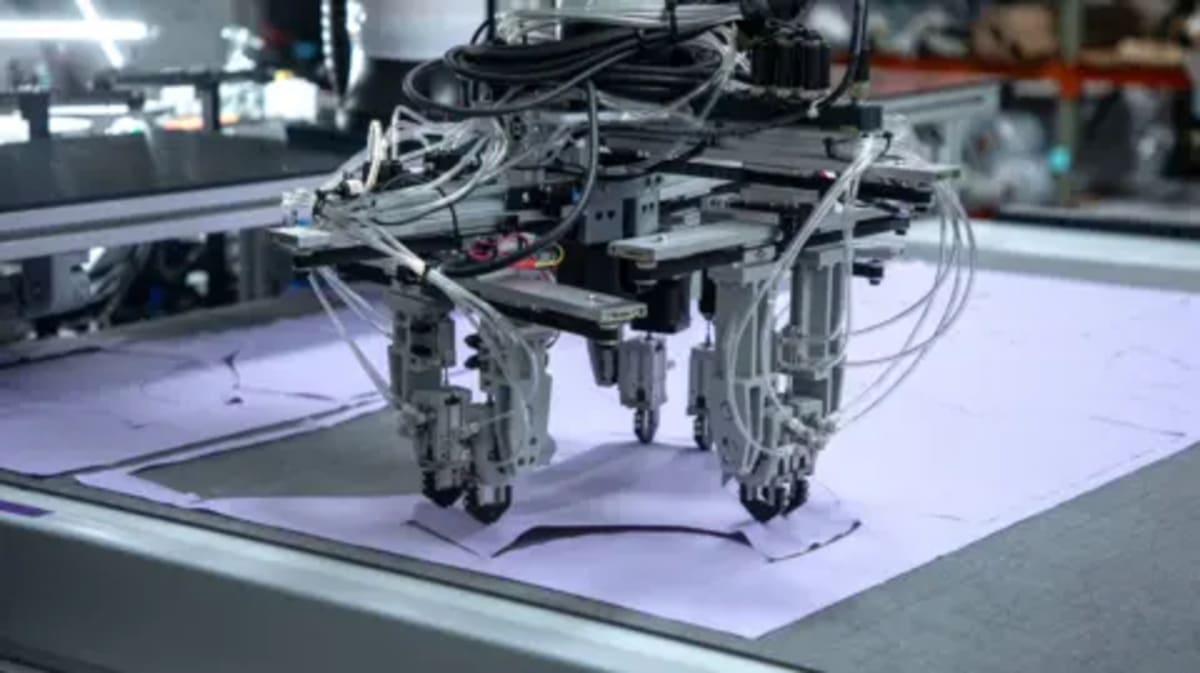
Companies across the US and Europe are developing robots that can manufacture clothing, a task that's stumped machines for decades. California-based CreateMe has cracked part of the puzzle by ditching needles and thread altogether, using special adhesive to glue fabric pieces together instead.
"Once the adhesive is laid down, you simply line something over it and stamp," explains Cam Myers, CreateMe's founder. The company already makes women's underwear this way and plans to start producing t-shirts in coming months.
The breakthrough matters because almost all clothes sold today are still made by hand, often in Asia. If robots take over even 10% of t-shirt manufacturing in the US, it would mark a massive industry shift.
But the real win goes beyond bringing jobs home. Automating garment production could dramatically shrink fashion's enormous environmental footprint.
Right now, the global fashion industry produces 92 million tonnes of textile waste every year. Mountains of unsold clothes get incinerated, and the industry guzzles vast amounts of water while shipping garments halfway around the world.
A recent study from Austria's Technical University of Leoben found that robot-made t-shirts produced locally could reduce greenhouse gas emissions by roughly 45% compared to traditional manufacturing in Asia. That's because robots enable on-demand production closer to customers, eliminating overproduction and slashing transportation emissions.
"If you can re-shore the manufacturing part, you can just produce there on-demand," says researcher Gerald Feichtinger, who led the study.
Other companies are taking different approaches. Softwear Automation in Georgia insists sewing isn't going away, pointing to visible stitching as essential for fashionable garments like jeans. They're developing third-generation sewing robots they claim will match import costs.
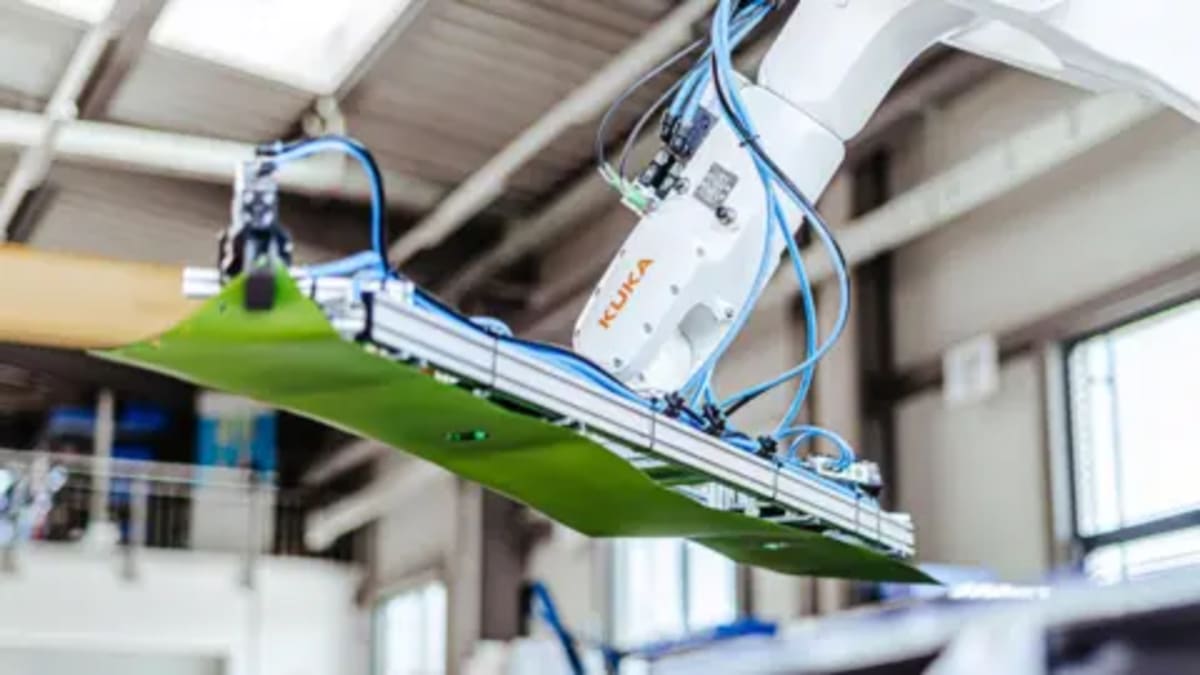
Meanwhile, German firm Robotextile created special grippers that help robots handle floppy fabric by gently blowing air to lift and position it.
The Ripple Effect
Beyond cutting carbon, automated garment factories could transform how we buy clothes. Instead of retailers guessing what styles will sell and overproducing millions of items, robots could manufacture clothing on-demand based on actual orders.
This shift means less waste, fewer resources consumed, and a fashion industry that works with the planet instead of against it. When just one t-shirt's carbon footprint can drop by 45%, imagine the impact across billions of garments made each year.
The robots still have limits—they can't match the endless variety of colors, designs, and styles that human workers create. But for basic garments produced sustainably and locally, the future is looking brighter.
Technology that once seemed impossible is now gluing together a cleaner fashion future, one t-shirt at a time.
More Images

Based on reporting by BBC Technology
This story was written by BrightWire based on verified news reports.
Spread the positivity!
Share this good news with someone who needs it