Rocket Lab Launches 2 Satellites in 8 Days to Start 2026
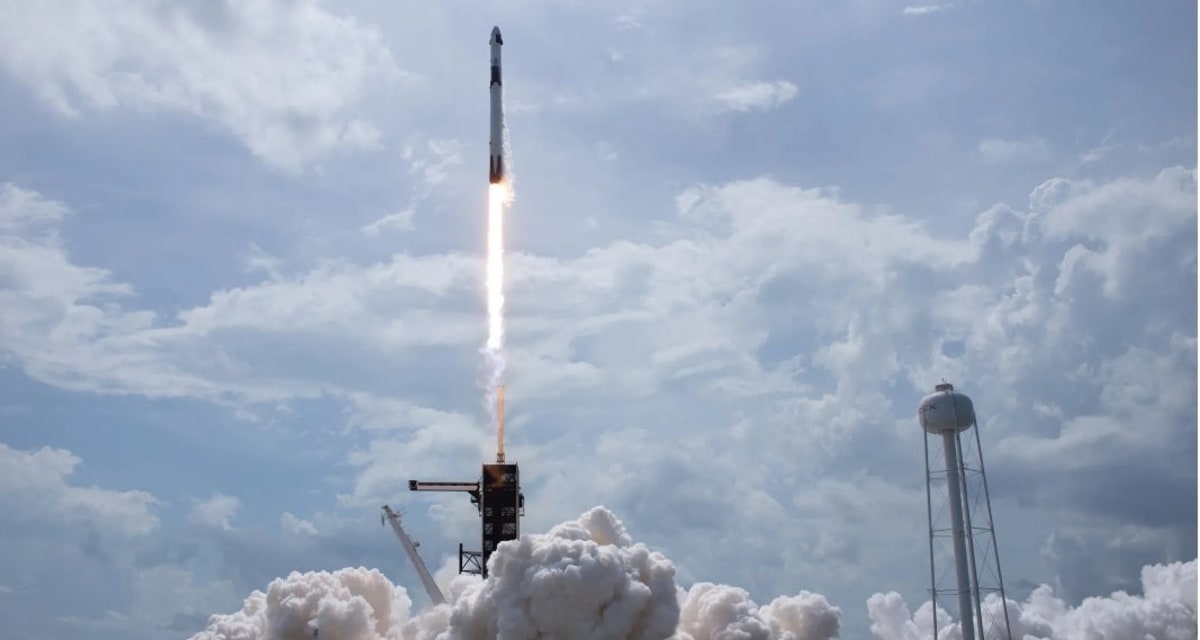
Rocket Lab just pulled off its second successful space launch in eight days, sending a South Korean Earth observation satellite into orbit. The company's rapid-fire launches signal growing momentum in making space more accessible for science and safety missions worldwide.
A New Zealand launch site just sent its 81st rocket into space, and the team barely had time to catch their breath after their previous mission a week earlier.
Rocket Lab launched the NEONSAT-1A satellite on January 30th for South Korea's leading science university, KAIST. The satellite will help test a future constellation designed to monitor natural disasters and security events along the Korean Peninsula from 540 kilometers above Earth.
This marks the company's second launch in just eight days, a pace that shows both technical capability and surging demand. The mission, playfully named "Bridging The Swarm," continues work that began in 2024 when Rocket Lab launched the first NEONSAT satellite on a mission called "Beginning of The Swarm."
The company's Electron rocket has become the world's most frequently launched small orbital rocket. That reliability matters for university research teams and government agencies that need predictable access to space without the delays and cost barriers that once made satellite launches a rare event.
Rocket Lab CEO Sir Peter Beck credited the achievement to his team's dedication and the growing need for responsive launch services. After a record-breaking 2025 with 21 launches and 100% mission success, the company is gearing up for an even busier year ahead.
The Ripple Effect
South Korea's NEONSAT program represents a broader shift happening in space technology. Countries that once relied entirely on larger nations for satellite launches can now deploy their own Earth observation systems quickly and affordably.
These satellites do more than take pretty pictures. They provide early warning systems for floods, fires, and other disasters that threaten lives. They help scientists track environmental changes and support emergency responders when minutes matter.
Rocket Lab's upcoming 2026 missions include launches for commercial Earth observation, international space agencies, national security, and hypersonic technology development. The diversity of customers shows how space access is spreading beyond traditional military and government monopolies to universities and commercial ventures.
The rapid turnaround between launches also matters for practical reasons. Satellite constellations work best when multiple units reach orbit quickly, allowing coordinated coverage. Faster launches mean faster deployment of life-saving monitoring systems.
More launches in 2026 mean more eyes watching over our planet from space, helping communities prepare for disasters and understand our changing world.
Based on reporting by Google: space mission success
This story was written by BrightWire based on verified news reports.
Spread the positivity!
Share this good news with someone who needs it