Rocket Lab Launches Japan's 8th Radar Satellite Successfully
A Japanese Earth-observing satellite reached orbit early Wednesday morning aboard a Rocket Lab rocket, marking another milestone in building a 36-satellite constellation that will monitor our planet around the clock. The launch succeeded after a last-second abort delayed the mission by five weeks.
Space launch company Rocket Lab successfully delivered a Japanese radar satellite to orbit on Wednesday morning, keeping a major Earth-monitoring project on track despite an earlier setback.
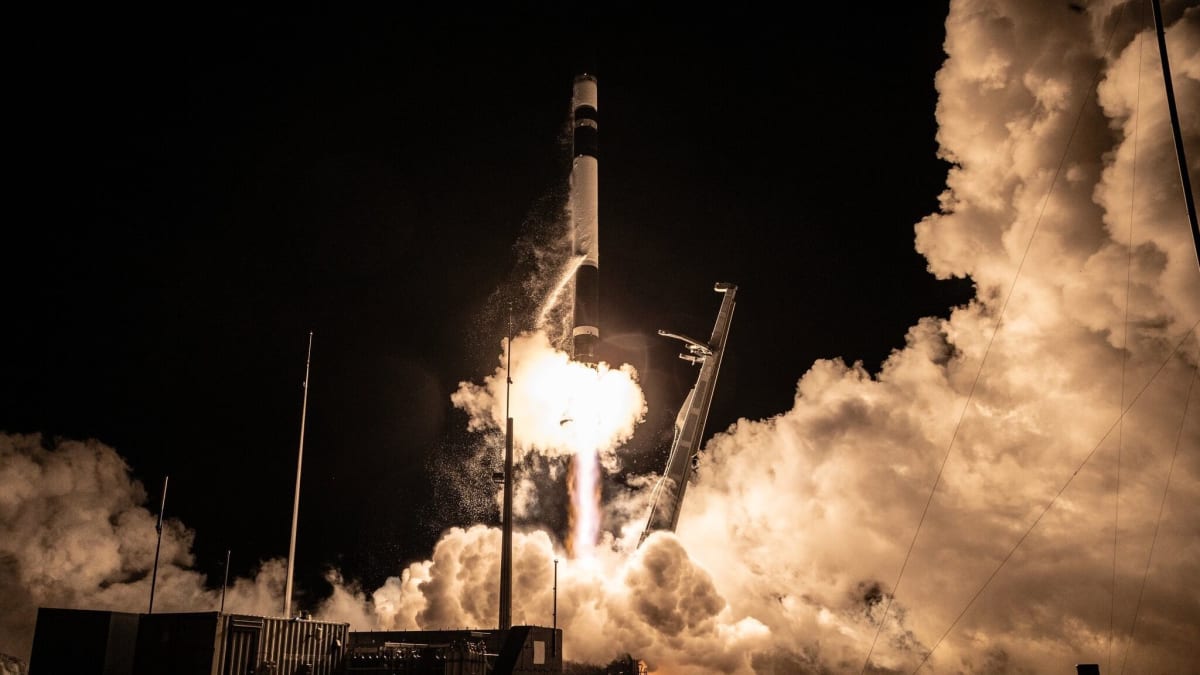
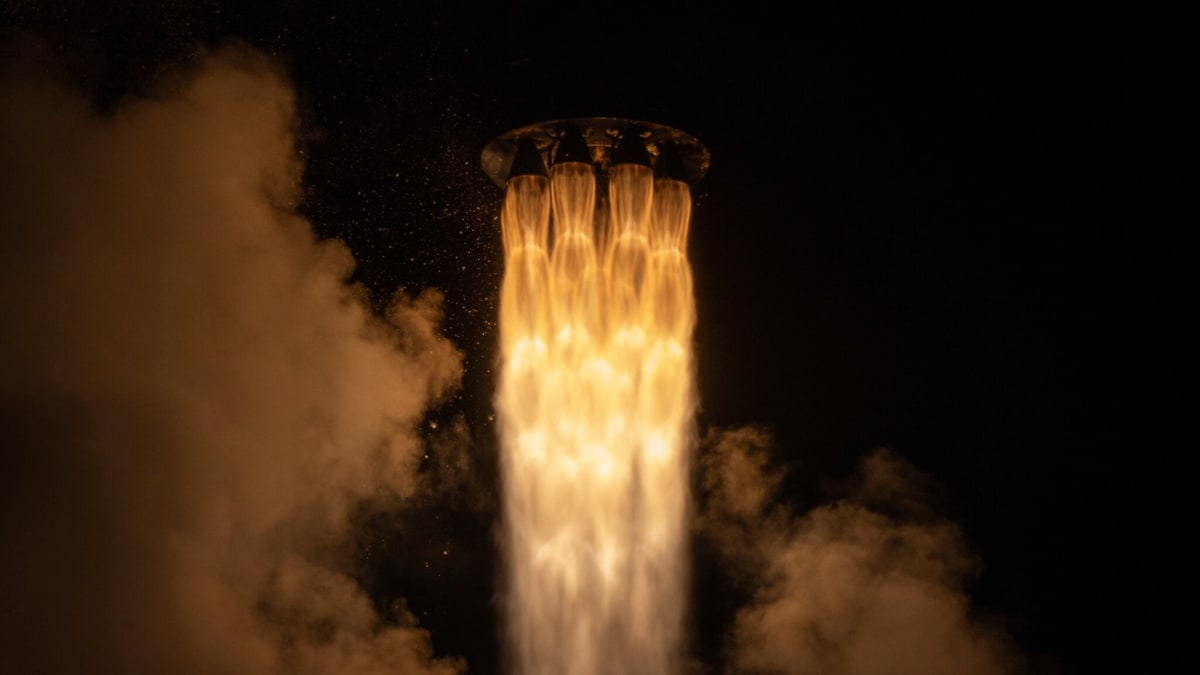
The spacecraft lifted off from New Zealand at 5:18 a.m. EDT aboard an Electron rocket in a mission called "The Grain Goddess Provides." Everything went smoothly this time, with the satellite reaching its target orbit 357 miles above Earth about an hour later.
It was the mission's second attempt. Rocket Lab had originally tried to launch on June 30, but the rocket aborted at the last second for reasons the company hasn't yet disclosed.
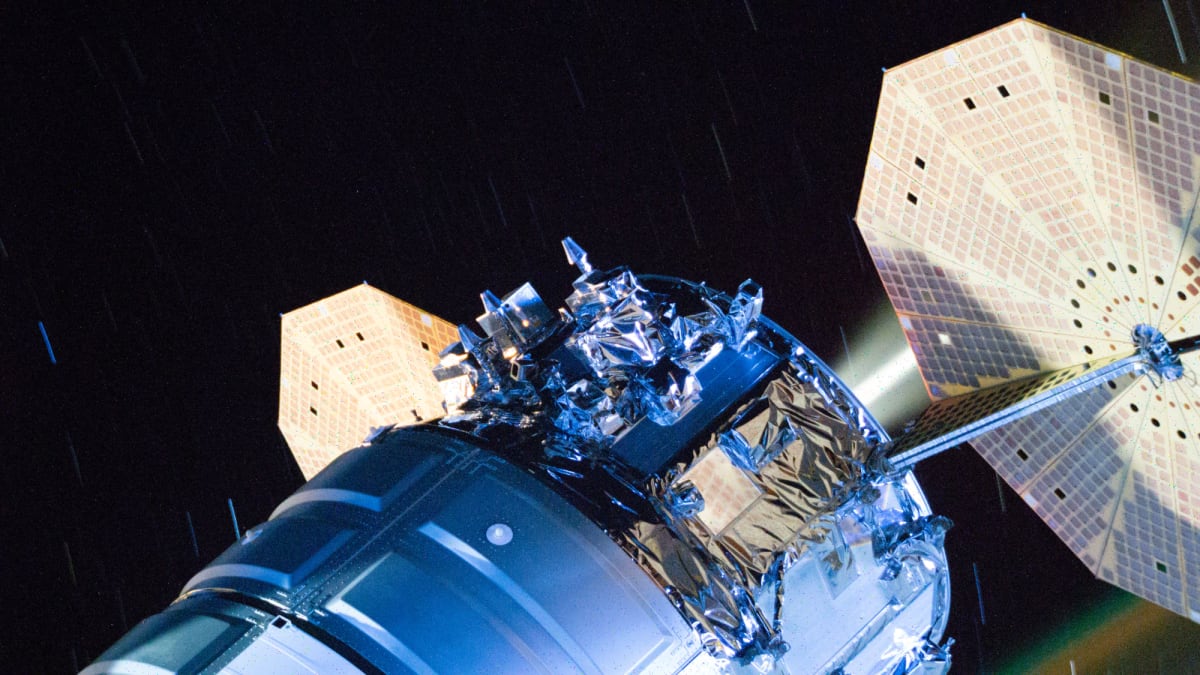
The satellite, named MIKURA-I after a Japanese goddess of abundance and prosperity, belongs to Tokyo-based company iQPS. It uses synthetic aperture radar technology that can see through clouds and capture high-resolution images of Earth both day and night.
This capability makes the satellite valuable for disaster response, agriculture monitoring, and environmental tracking regardless of weather conditions or time of day. Traditional optical satellites can only capture images in clear weather and daylight.
The Ripple Effect
This successful launch represents the eighth of 15 missions Rocket Lab will fly to help iQPS build its complete constellation of 36 satellites. Once finished, the network will provide near-constant coverage of our planet, helping communities respond faster to natural disasters, monitor crop health, and track environmental changes in real time.
The partnership showcases how private space companies are making Earth observation more accessible and affordable. Rocket Lab's 59-foot Electron rocket specializes in launching small satellites, opening space access to companies that couldn't afford larger, more expensive launch vehicles in the past.
Wednesday's mission was Rocket Lab's 92nd overall launch and its 13th of 2026. The company continues expanding its capabilities, recently signing a $266 million contract with the U.S. Space Force for up to 18 suborbital missile defense missions.
As more satellites join the iQPS constellation, communities worldwide will gain better tools to protect people and resources when it matters most.
More Images

Based on reporting by Space.com
This story was written by BrightWire based on verified news reports.
Spread the positivity!
Share this good news with someone who needs it