Rocket Lab Launches Korea's Disaster Satellite Tonight
After a month-long delay, Rocket Lab is launching a South Korean satellite designed to monitor natural disasters in near-real time. The mission represents a major step forward in protecting lives through better early warning systems.
A satellite built to save lives during natural disasters is finally heading to space tonight, giving South Korea powerful new eyes in the sky.
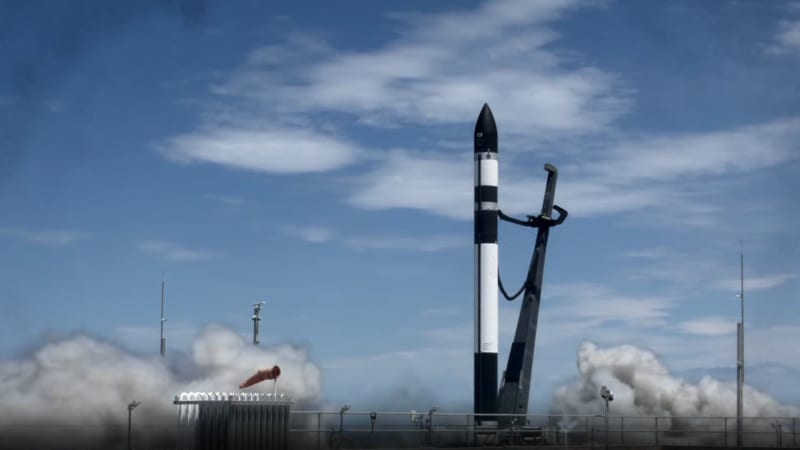
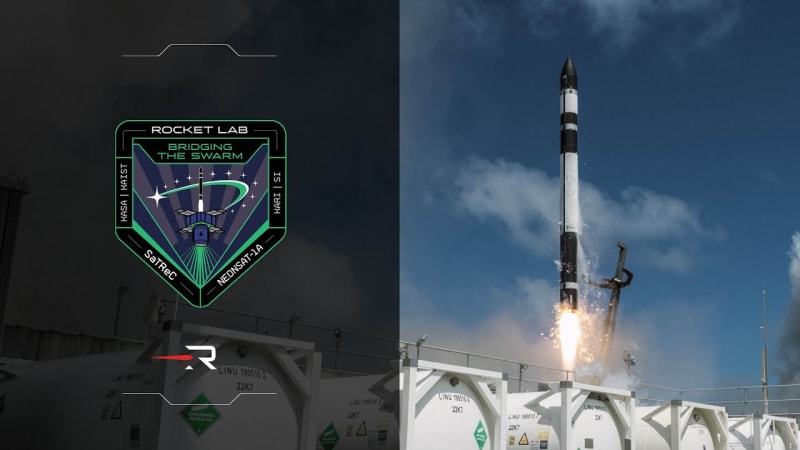
Rocket Lab's Electron rocket will launch NEONSAT-1A from New Zealand at 7:55 p.m. EST. The satellite carries a high-resolution camera designed to watch the Korean peninsula for earthquakes, floods, and other disasters as they unfold.
The mission faced setbacks. A first attempt on December 15 ended with a last-second abort when engines failed to ignite properly. Rocket Lab pushed the original December 10 date back even further to run extra safety checks.
Tonight's launch matters because faster information saves lives. When disaster strikes, emergency responders need to see what's happening and where people need help most. NEONSAT-1A will capture images in near-real time, helping officials make faster decisions when every minute counts.
The satellite comes from a collaboration between multiple Korean universities, research centers, and companies. The Satellite Technology Research Center at the Korea Advanced Institute of Science and Technology leads the engineering work. Korea's Ministry of Science and Information and Communication Technology is funding the program.
The Ripple Effect
NEONSAT-1A joins its sister satellite NEONSAT-1, which Rocket Lab launched last April. Together, they form the beginning of a constellation that will keep constant watch over the region. More satellites mean more frequent updates and fewer blind spots when disasters strike.
The technology benefits extend beyond Korea. As more countries build similar monitoring systems, the global community gains better tools to respond to climate disasters, coordinate international aid, and protect vulnerable populations worldwide.
Rocket Lab continues proving that smaller rockets can tackle big missions. The 59-foot Electron will carry NEONSAT-1A to an orbit 336 miles above Earth. This marks the company's second launch of 2026 and its 81st overall.
Tonight's mission shows how space technology directly improves life on Earth, turning orbital cameras into lifesaving tools for millions of people.
More Images



Based on reporting by Space.com
This story was written by BrightWire based on verified news reports.
Spread the positivity!
Share this good news with someone who needs it