Rocket Lab Launches Satellite in 17 Hours, Beats Record
A California aerospace company just proved the U.S. can respond to space threats faster than ever imagined. Rocket Lab launched, tracked, and photographed a military satellite in less than 59 hours, crushing every deadline.
The U.S. Space Force handed Rocket Lab an urgent challenge: build a spacecraft, launch it within 24 hours of notice, and complete a tracking mission in orbit within 84 hours total.
The company delivered in 59.
Rocket Lab launched its Pioneer spacecraft just 16 hours and 42 minutes after receiving the go-ahead for the VICTUS HAZE mission. That shattered the previous record for tactically responsive space operations, where every minute counts for national security.
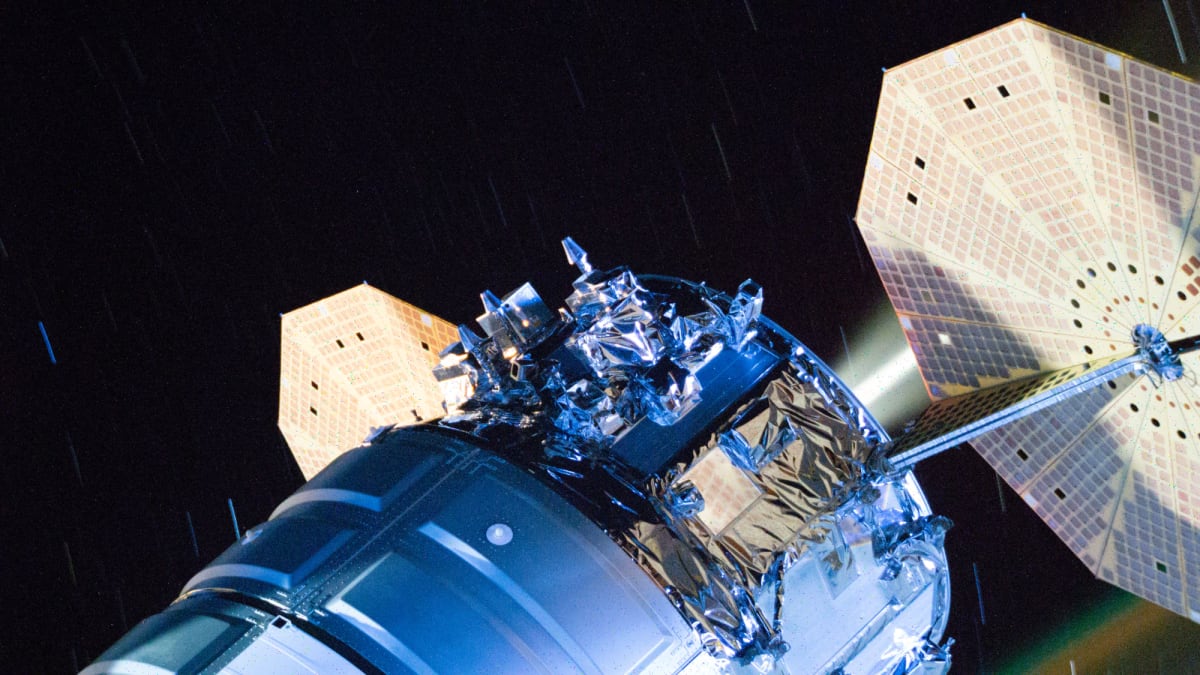
But the speed didn't stop at liftoff. The company completed spacecraft commissioning in 38 hours, beating the 72-hour deadline by more than a full day. Then came the hard part: maneuvering close enough to another satellite in orbit to photograph it and gather intelligence.
Rocket Lab finished those complex orbital operations in under 59 hours, a full 25 hours ahead of schedule. Think of it as parallel parking two cars while both are traveling at 17,000 miles per hour, hundreds of miles above Earth.
This marks the first time a single company handled every piece of a responsive space mission: the rocket, the spacecraft, and the orbital operations. Previously, these tasks were divided among multiple contractors, adding delays and complexity.
Why This Inspires
The breakthrough means America can now respond to space emergencies or threats in hours instead of months. Whether tracking suspicious satellites, replacing damaged equipment, or monitoring debris that threatens astronauts, speed saves lives and protects critical infrastructure.
Space Safari, the Space Force unit overseeing the mission, designed VICTUS HAZE to prove rapid response is possible. Rocket Lab didn't just prove it. The company made it look routine, finishing every phase well ahead of aggressive deadlines that would have seemed impossible a few years ago.
The Pioneer spacecraft continues its mission today, conducting months of advanced tracking operations from orbit. Each maneuver teaches the Space Force how to move faster and smarter in space, building capabilities that protect satellites billions of people rely on for GPS, weather forecasting, and communication.
Rocket Lab's success shows that American innovation can still move at the speed of urgency when it matters most.
More Images


Based on reporting by Google: space mission success
This story was written by BrightWire based on verified news reports.
Spread the positivity!
Share this good news with someone who needs it