World's First Commercial Nuclear Satellite Reaches Orbit
A small satellite powered by safe, long-lasting nuclear energy just launched into space, opening the door for a new era of always-on spacecraft. The breakthrough uses hydrogen instead of dangerous materials like uranium.
Space just got its first commercial nuclear-powered satellite, and it's nothing like the dangerous reactors of the past.
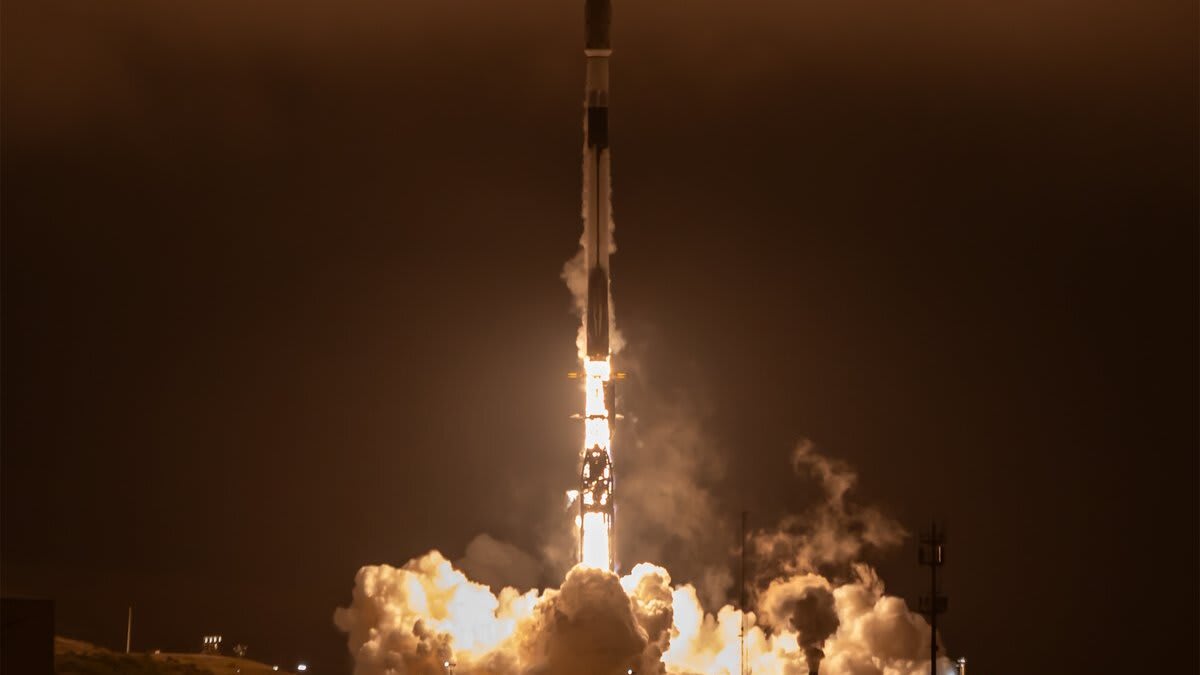
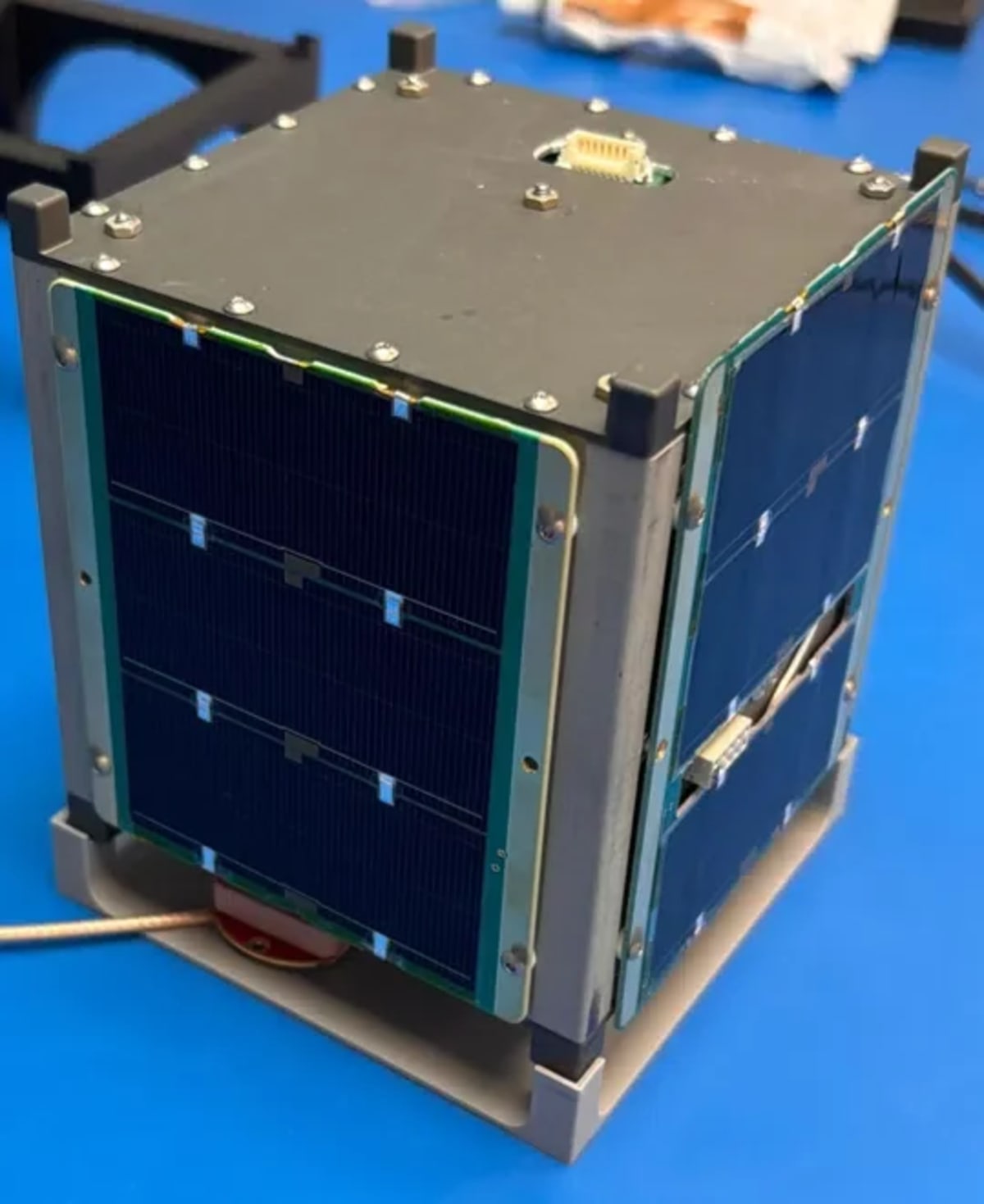
City Labs launched the BOHR CubeSat aboard a SpaceX Falcon 9 rocket, marking a historic first for commercial space technology. The shoebox-sized satellite weighs less than 13 pounds and demonstrates a completely new way to power spacecraft for decades without sunlight or batteries.
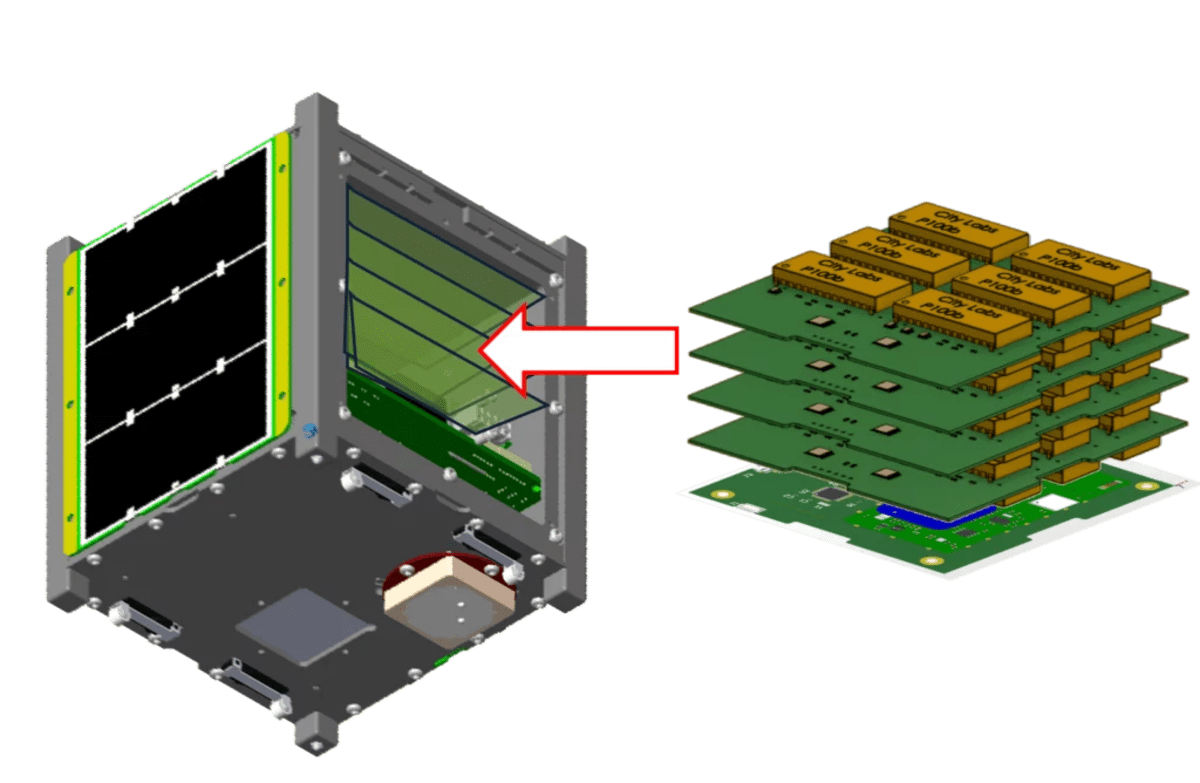
Unlike the uranium-fueled satellites that caused environmental disasters in the 1970s, BOHR runs on tritium, a radioactive form of hydrogen. The system converts energy directly from the natural decay of tritium into electricity, generating steady power for over 20 years with a tiny fuel source.
The safety upgrade is dramatic. Beta particles from tritium can't even penetrate human skin, and the fuel is stored as a solid metal that can't leak or explode. When the Soviet Kosmos 954 satellite crashed in Canada in 1978, it scattered highly radioactive uranium across 373 miles of wilderness, sparking international cleanup efforts and diplomatic tensions.
BOHR's NanoTritium system eliminates those risks entirely while solving a major problem for modern satellites. Solar panels stop working in Earth's shadow and batteries drain quickly, but nuclear power keeps critical systems running 24/7 regardless of position or lighting conditions.
The Ripple Effect
This mission does more than power one small satellite. BOHR serves as a regulatory pathfinder, proving that commercial nuclear space systems can meet federal safety guidelines and paving the way for widespread adoption.
The US Department of Defense is particularly interested in this technology for military satellites that need robust, resilient power systems less vulnerable to attack or interference. Future communications, navigation, and surveillance satellites could operate continuously without the limitations of current power systems.
Commercial space companies could benefit even more. Deep space missions, lunar bases, and Mars exploration all require reliable long-term power far from the sun. Tritium systems offer a lightweight, safe alternative to massive solar arrays or the plutonium generators reserved for government missions like Voyager 2.
The satellite has already reached low Earth orbit and teams are preparing it for full operations. With a 12.3-year half-life, the tritium will keep generating power long after traditional batteries would have died and solar panels degraded.
What started as a military research project is now opening commercial space to nuclear power done right.
More Images

Based on reporting by New Atlas
This story was written by BrightWire based on verified news reports.
Spread the positivity!
Share this good news with someone who needs it