Romania Cuts Emissions 75% While Doubling Its Economy
Romania has achieved what many thought impossible: cutting greenhouse gas emissions by 75% since 1990 while doubling its economy. The country now emits just three tonnes of CO2 per person, making it Europe's second-cleanest economy after Sweden.
Romania just cracked the code that has stumped world leaders for decades: growing an economy while slashing pollution at record speed.
Since 1990, the Eastern European nation has cut its greenhouse gas emissions by 75 percent while doubling its GDP. Each dollar of economic activity now produces almost 10 times less pollution than it did three decades ago. That's the fastest decoupling of growth from emissions anywhere in Europe, and possibly the world.
The transformation is hard to miss. Workers are building Europe's largest solar farm outside Bucharest: 1 million photovoltaic panels with battery storage to keep homes powered after sunset. Before it's finished, an even bigger 1 gigawatt solar plant will break ground in the northwest.
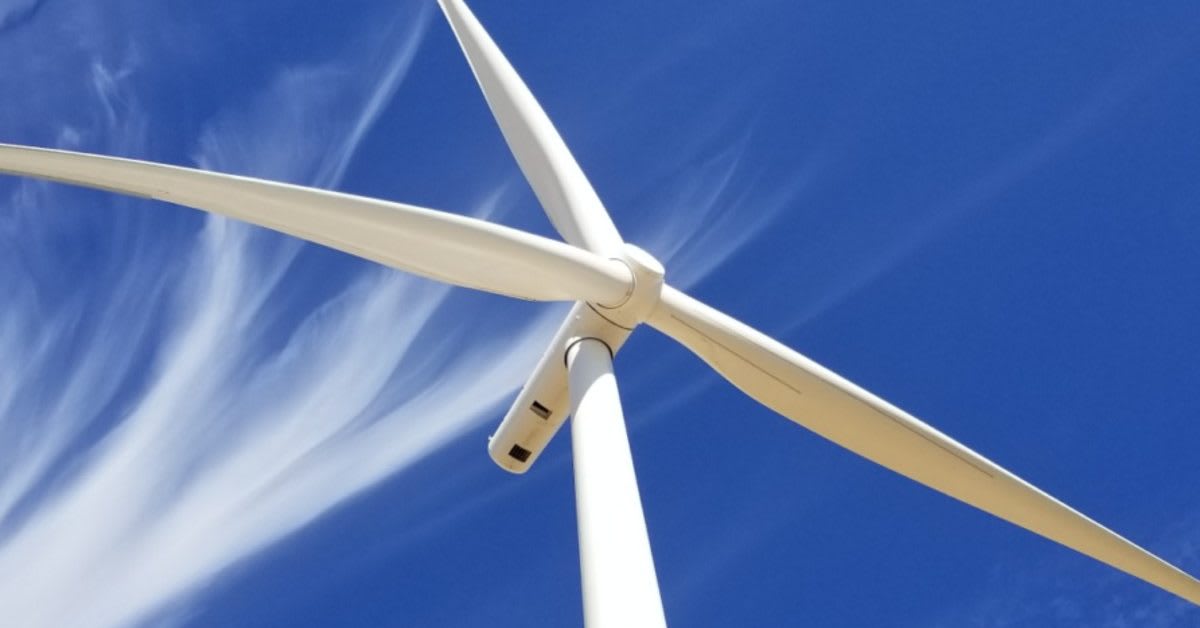
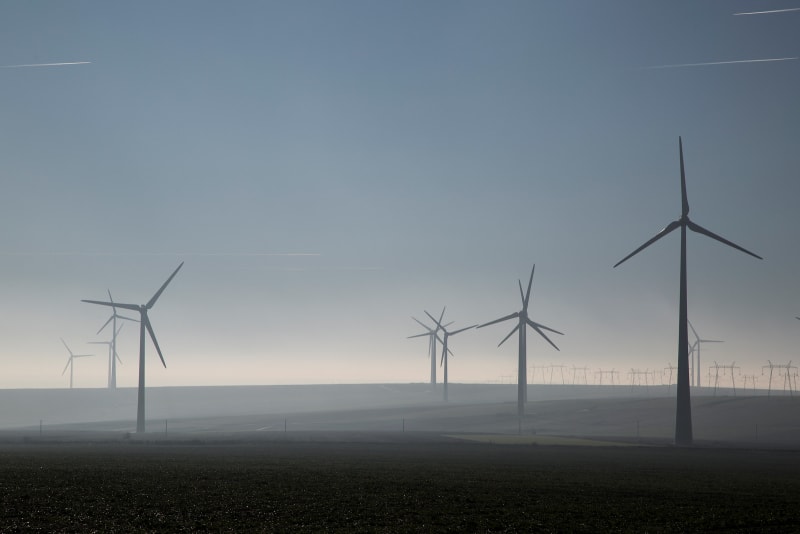
These projects join a wind farm near the Black Sea that held Europe's biggest title for years, a nuclear power plant getting a 30-year life extension, and solar panels spreading across rooftops nationwide. "The trend is irreversible," said Liviu Gavrilă, vice president of the Romanian Wind Energy Association.
Romania's journey started with upheaval. Under Communist dictator Nicolae Ceaușescu, the country ran energy-hungry factories on low-grade lignite and heavy oil. When the regime fell in 1989, factories closed and mines shut down, causing emissions to plummet.
But the decline didn't stop there. Joining the European Union in 2007 accelerated the shift. The EU's emissions trading system put a price on carbon, while modernization funds bankrolled clean energy projects. Romania's forests, recovering from Communist-era logging, expanded onto abandoned farmland and now absorb 77 percent more carbon than before.
The power sector tells the real story. In the 17 years before EU membership, carbon intensity dropped just 9 percent. In the 17 years after? It plunged 52 percent.
Today, Romania emits just three tonnes of greenhouse gas per person. Only Sweden, also blessed with vast carbon-absorbing forests, does better in Europe.
The Ripple Effect
Romania's success shows the rest of the world a crucial truth: countries don't have to choose between prosperity and climate action. The breakthrough matters especially for developing nations told they must sacrifice growth to cut emissions.
The shift also proves that the right policies work. EU membership brought emissions trading, clean energy funding, and higher environmental standards. Combined with nuclear power and renewable energy incentives, these tools transformed an industrial polluter into a climate leader within two decades.
The transition hasn't been painless. Former coal towns emptied as young people moved abroad for work. Rural communities struggled after factories closed. But Romania kept building forward, investing in the technologies that would power its next chapter.
As climate negotiations stall over fairness between rich and poor nations, Romania stands as proof that economic growth and environmental progress can go hand in hand.
Based on reporting by Google News - Economic Growth
This story was written by BrightWire based on verified news reports.
Spread the positivity!
Share this good news with someone who needs it