Romania Gets World's First Sodium-Ion Grid Battery
A groundbreaking energy storage project in Romania will combine traditional lithium batteries with cutting-edge sodium-ion technology, creating one of the world's first utility-scale hybrid systems. The innovation could make renewable energy storage cheaper and more sustainable.
Romania is about to become home to a first-of-its-kind clean energy project that could change how the world stores solar and wind power.
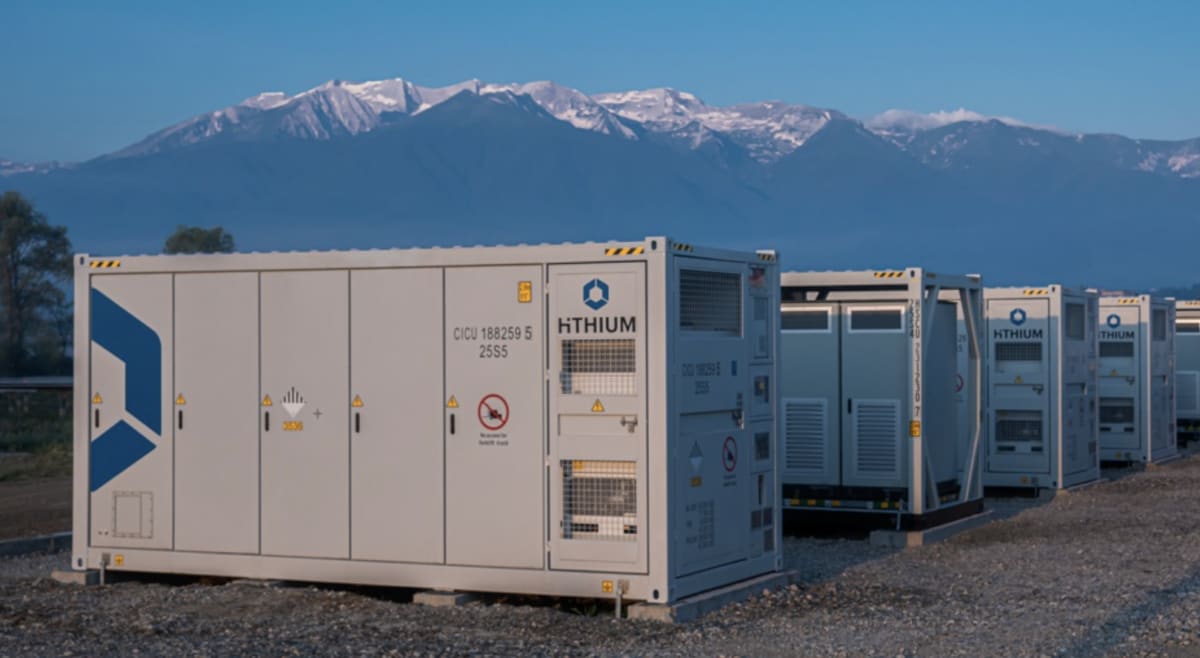
Renalfa Power Clusters just acquired two major renewable energy projects in western Romania's Arad County. The first is a massive 365-megawatt solar farm called Horia 2, and the second is a standalone battery system that could power thousands of homes.
But here's where it gets exciting. Instead of using only lithium-ion batteries like most energy storage projects, Renalfa plans to add sodium-ion batteries to the mix. This dual-chemistry approach has never been done at this scale before.
Sodium-ion batteries use common table salt materials instead of rare lithium, making them potentially cheaper and easier to source. While they store slightly less energy than lithium batteries, they work better in extreme temperatures and don't rely on mining operations that can harm communities and ecosystems.
The company plans to merge the solar farm and battery system into one hybrid power cluster by 2027. After that, they'll expand the site in two additional stages, creating an even larger clean energy hub for the region.
Both projects are already in late-stage development with permits and plans mostly completed. That means less red tape and fewer delays before construction begins.
The Ripple Effect
This project arrives at a perfect time for Europe's energy independence goals. Countries across the continent are racing to build renewable energy systems that don't depend on imported fossil fuels.
Sodium-ion technology could be a game changer for developing nations too. Since sodium is abundant and cheap, countries without access to lithium supplies could build their own energy storage systems using local materials.
If Romania's hybrid system works as planned, it could become a blueprint for future renewable energy projects worldwide. Other developers are watching closely to see how the dual-chemistry approach performs in real-world conditions.
The project will help stabilize Romania's electrical grid by storing excess solar power during sunny days and releasing it when the sun goes down. That makes renewable energy more reliable and reduces the need for backup fossil fuel plants.
Romania is proving that smaller countries can lead the way in clean energy innovation.
More Images
Based on reporting by PV Magazine
This story was written by BrightWire based on verified news reports.
Spread the positivity!
Share this good news with someone who needs it