Runner's 'Worst' Training Led to Her Best Marathon Time
After flu, falls, and freezing weather ruined her marathon prep, one runner shocked herself with a personal record. Turns out, chaotic training might be the secret weapon endurance athletes need.
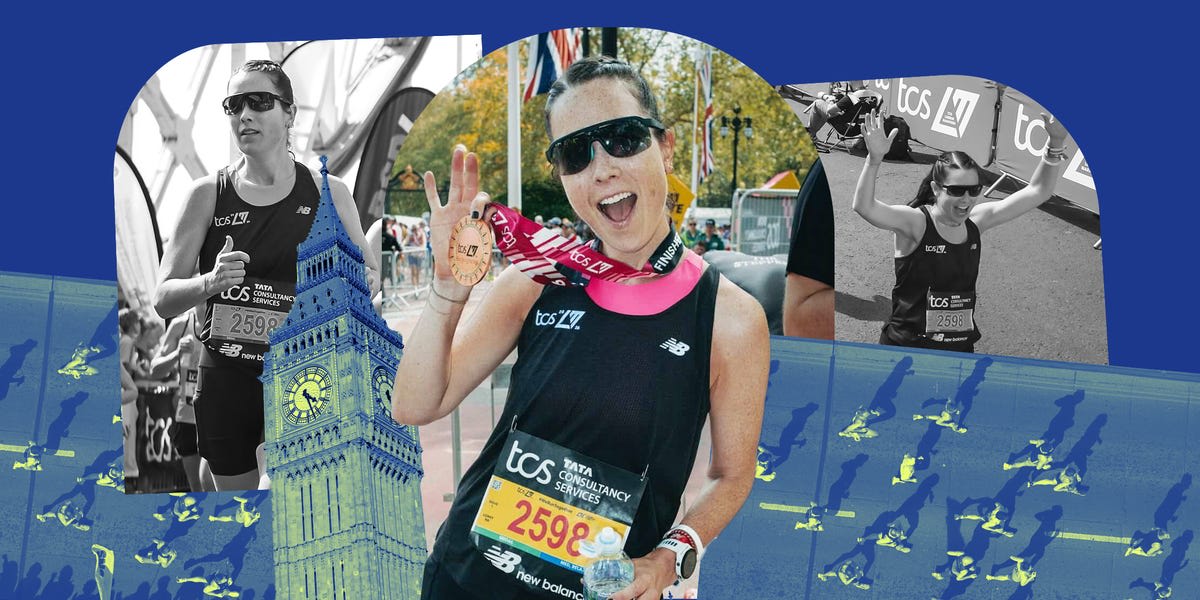
When a runner crossed the London Marathon finish line in 3:56, she couldn't believe it. Her training had been a disaster: brutal winter weather, a devastating flu, a family vacation that wiped out key runs, and a face-plant at mile 14 of her final long run that left her knee bloody and her confidence shattered.
But that "imperfect" preparation turned out to be exactly what she needed. The mom of two from New Jersey had been chasing a sub-4-hour marathon since missing it by just 38 seconds at the 2025 NYC Marathon, and now she'd crushed that goal by four full minutes.
Sport psychologist Dr. Hillary Cauthen says this isn't luck. It's science called "stress inoculation," and it might change how we think about training for big goals.
The concept is simple: when athletes train through challenging, unpredictable conditions, they build mental flexibility that perfect training blocks can't create. Fighting through sleet, rearranging runs around sick kids, and adapting to setbacks teaches the body and mind to handle race-day surprises without panic.
"We often think peak performance comes from perfect preparation," explains Cauthen, who's completed nine marathons herself. "But it's much better with adaptability, not perfection."
The runner's coach, Linda Leigh LoRe, had been telling her the same thing throughout the messy build-up. No training block is perfect, and the ability to adjust matters more than checking every box on a plan.
Cauthen takes this idea so seriously that she creates intentional "chaos days" for athletes she works with, from youth sports to professionals. She deliberately switches up expected workouts to build that adaptive muscle, preparing athletes for the inevitable curveballs competition will throw.
Why This Inspires
This story flips the script on perfectionism that plagues so many of us. We cancel plans when conditions aren't ideal, postpone goals when life gets messy, and convince ourselves that if we can't do something perfectly, we shouldn't do it at all.
But real resilience comes from showing up when it's hard. The icy mornings, the cramped training schedules, even the spectacular sidewalk fall became secret training tools that built mental toughness no pristine plan could match.
The London Marathon course helped too, with well-timed downhills and iconic views of the Cutty Sark, Tower Bridge, and Buckingham Palace. The 2026 race set a Guinness World Record with 59,830 finishers, and over 1.3 million people have already applied for the 2027 lottery.
When your training isn't perfect, you might just be building something better: the confidence that you can handle anything race day throws at you.
More Images


Based on reporting by Womens Health
This story was written by BrightWire based on verified news reports.
Spread the positivity!
Share this good news with someone who needs it