Rural Americans Beat Winter Blackouts With Home Batteries
When ice storms knock out power for days in rural America, families are keeping the lights on with smart solar battery systems. Here's how they're calculating exactly what they need to stay warm and safe.
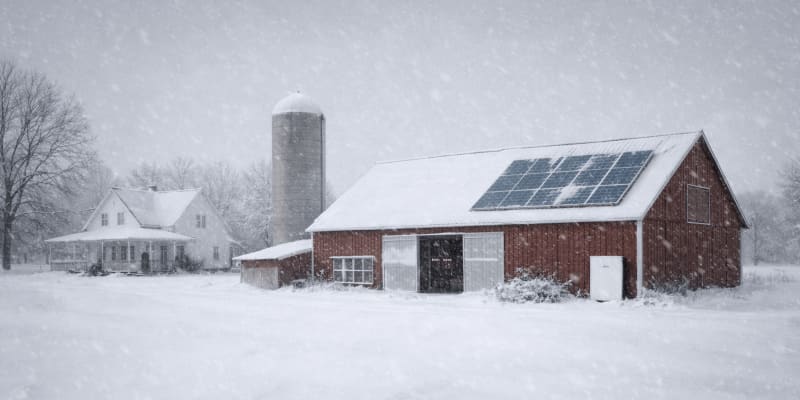
Rural families across America are solving a problem their city neighbors rarely face: power outages that stretch for days when winter storms hit.
When ice and snow take down power lines in rural areas, utility crews often prioritize restoring electricity to dense urban neighborhoods first. That leaves country homes in the dark for two to four days or more, especially when bad roads slow repair teams.
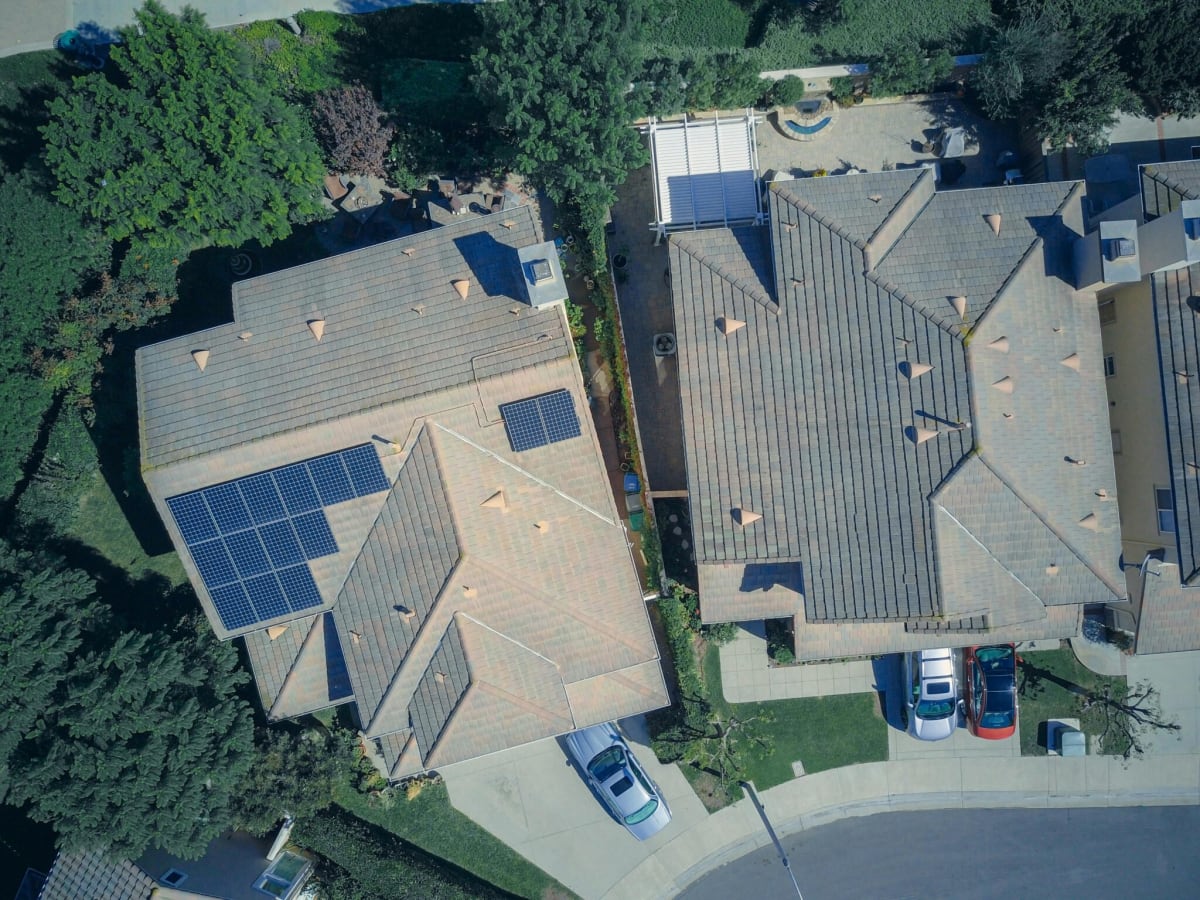
More Americans are turning to rooftop solar panels as a solution, but there's a catch. Solar panels alone won't keep your lights on when the grid goes down. You need a home battery to store that energy.
The math is simpler than you might think. First, check your utility bill and divide total kilowatt hours by the days in the month. A typical family using 900 kWh in 30 days consumes about 30 kWh daily.
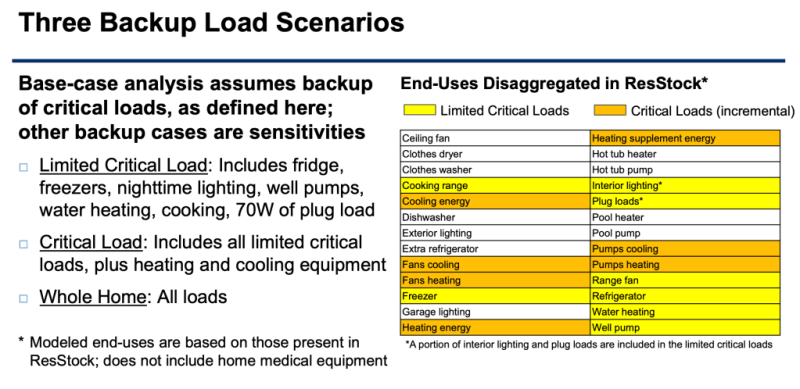
The Department of Energy recommends focusing on critical needs during an outage, which drops daily use to around 12 kWh. That covers your fridge, lights, Wi-Fi, and occasional use of high-power items like a well pump or microwave.
For a two-day outage, you'd need 24 kWh of battery capacity. For six hours, just 3 kWh does the job. The good news is that appliances like well pumps and refrigerators don't run constantly, so a smaller battery can stretch further with smart planning.
Power output matters as much as storage capacity. Some batteries hold plenty of energy but only deliver 3 to 5 kilowatts at once, enough for lights and a fridge but not much else running simultaneously.
Popular options like the Tesla Powerwall and a dozen competitors now offer families the ability to weather extended blackouts without losing heat, food, or water. Getting multiple quotes and consulting financial advisors helps families find the right fit for their budget.
The Ripple Effect
This shift toward energy independence is changing life in rural America beyond just backup power. Families who install solar and battery systems often see lower monthly utility bills year-round, not just during emergencies. They're also reducing their carbon footprint while gaining peace of mind that the next ice storm won't leave them vulnerable. As more rural households adopt this technology, manufacturers are expanding options and driving costs down, making storm resilience accessible to even more families who need it most.
The technology that once seemed futuristic is now helping rural Americans take control of their energy future, one rooftop at a time.
More Images


Based on reporting by Electrek
This story was written by BrightWire based on verified news reports.
Spread the positivity!
Share this good news with someone who needs it