California Lets Home Batteries Compete to Power the Grid
California just passed groundbreaking legislation that lets homeowners use their solar batteries, EVs, and smart devices to sell power back to the grid during peak demand. The move could lower everyone's electricity bills while making the power grid more reliable.
Imagine if your home battery could help power your neighbor's house during a heat wave and earn you money for it. That future just became reality in California.
Lawmakers passed Senate Bill 913, a landmark law that lets customer-owned clean energy tech compete directly with traditional power plants to keep the lights on. Home batteries, electric vehicles, solar systems, and even smart thermostats can now officially help stabilize California's grid.
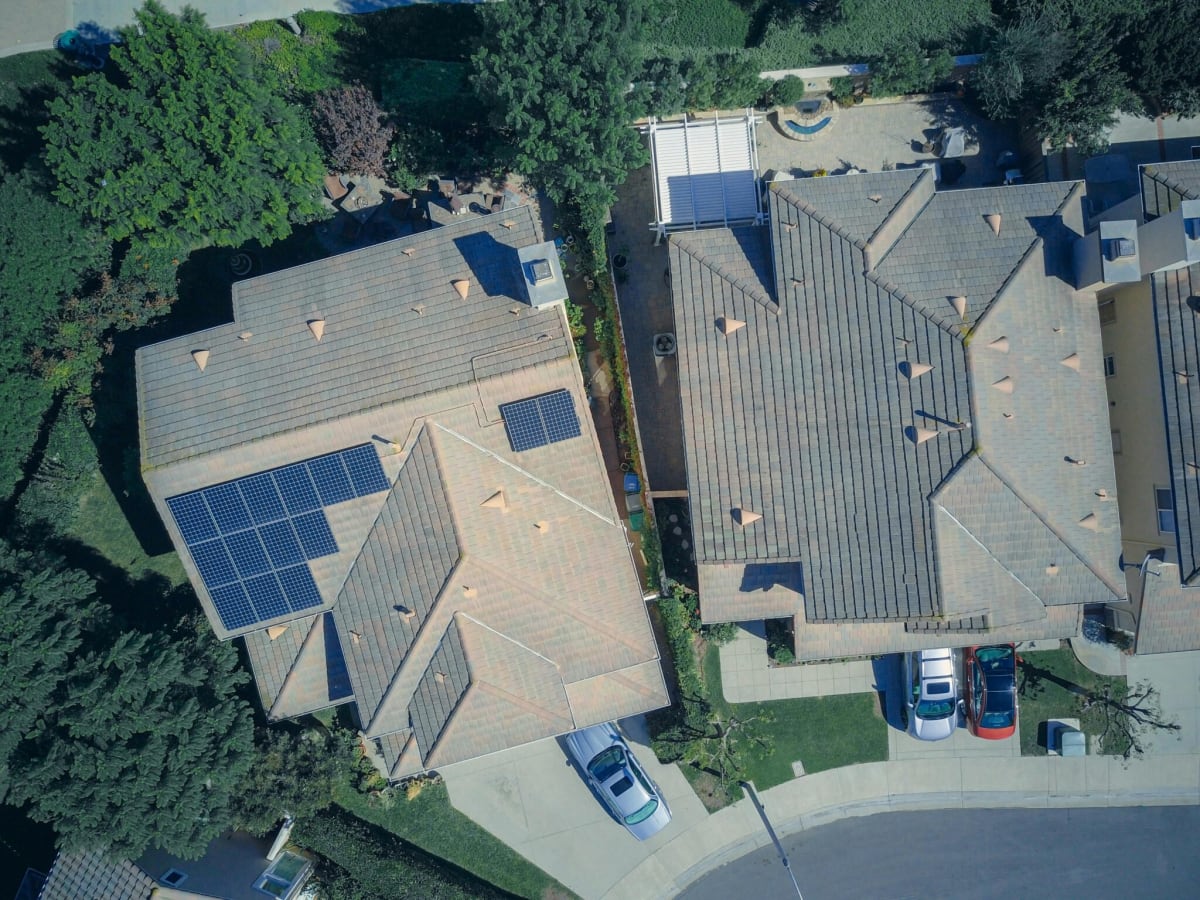
Senator Josh Becker authored the bill to solve two problems at once. Rising electricity costs are squeezing California families, while utilities keep building expensive new power plants that push bills even higher. This law creates a third option: tap into the clean energy systems Californians have already installed in their homes.
The numbers tell an impressive story. California households install more than 8,000 energy storage systems every month, adding nearly 100 megawatts of new capacity. Until now, outdated rules made it nearly impossible for these systems to get credit for sending power back to the grid when it's needed most.
The new law changes everything through four major reforms. Electric vehicles can now export power during peak hours, not just reduce their charging. Homeowners and tech companies can register their devices more easily. A single home can bundle multiple technologies together, like pairing an EV charger with solar panels and a battery. And customers get paid directly for the energy their devices provide during high-demand events.
Virtual Power Plants make it all work. These systems connect thousands of small devices across neighborhoods, creating power sources as reliable as traditional plants but without the massive construction costs. During evening peaks or extreme weather, grid operators can draw on this distributed network instead of firing up polluting backup generators.
Brandon Garcia from Advanced Energy United put it simply. "California families and businesses are struggling to keep up with rising electricity bills. When we make better use of flexible resources that already exist, we can reduce strain on the grid, avoid unnecessary infrastructure investments, and put downward pressure on energy costs."
The financial logic is compelling. Every home battery or smart device that helps during peak hours means utilities don't need to build another expensive power plant. Those construction costs, which typically get passed to customers through higher bills, simply disappear.
The Ripple Effect
This isn't just about California. The state's electricity market is the fifth largest economy in the world, and its energy policies often become templates for other states and nations. When California proves that customer-owned clean energy can reliably power the grid, it opens the door for similar programs nationwide.
The law also accelerates the clean energy transition without requiring new government spending. Homeowners who've already invested in solar panels, batteries, or EVs can now see additional returns on those purchases. That makes clean energy more attractive to future buyers, creating a positive cycle.
Environmental groups like The Climate Center and Environment California backed the bill because it reduces reliance on fossil fuel peaker plants, the dirtiest generators that only run during high demand. Replacing them with clean, distributed energy means cleaner air for everyone.
The California Public Utilities Commission will now create the specific rules and payment rates for the program. Within months, millions of California devices could start working together as the world's largest Virtual Power Plant.
Your home battery might soon be a tiny power plant that keeps your bills down and your neighborhood running.
More Images


Based on reporting by Google News - Clean Energy
This story was written by BrightWire based on verified news reports.
Spread the positivity!
Share this good news with someone who needs it