Nigeria Plans 1,000 CNG Stations to Cut Transport Costs
Nigeria is rolling out 500 additional compressed natural gas refueling stations to help slash transport costs by up to 80%. President Tinubu says lower fares should reach commuters starting October 1.
Nigerians could soon pay dramatically less for transportation as the government doubles down on a plan to build 1,000 compressed natural gas stations across the country.
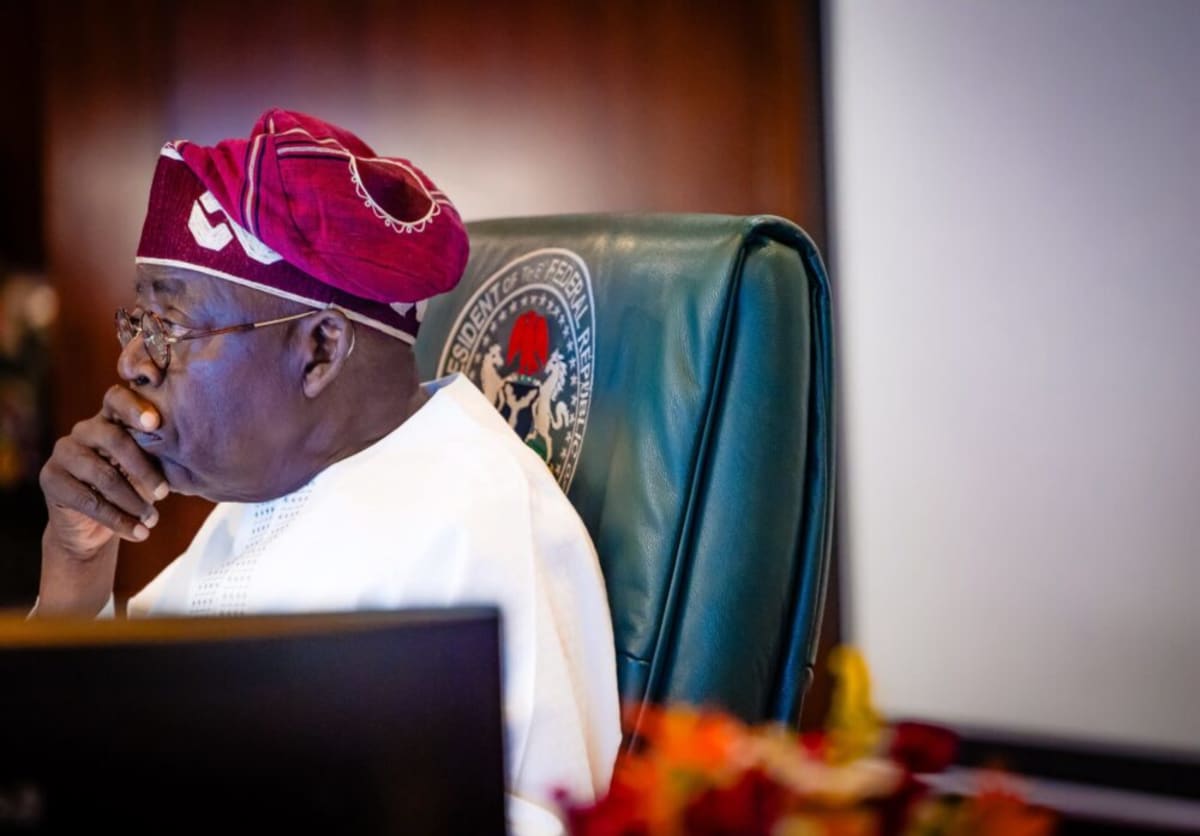
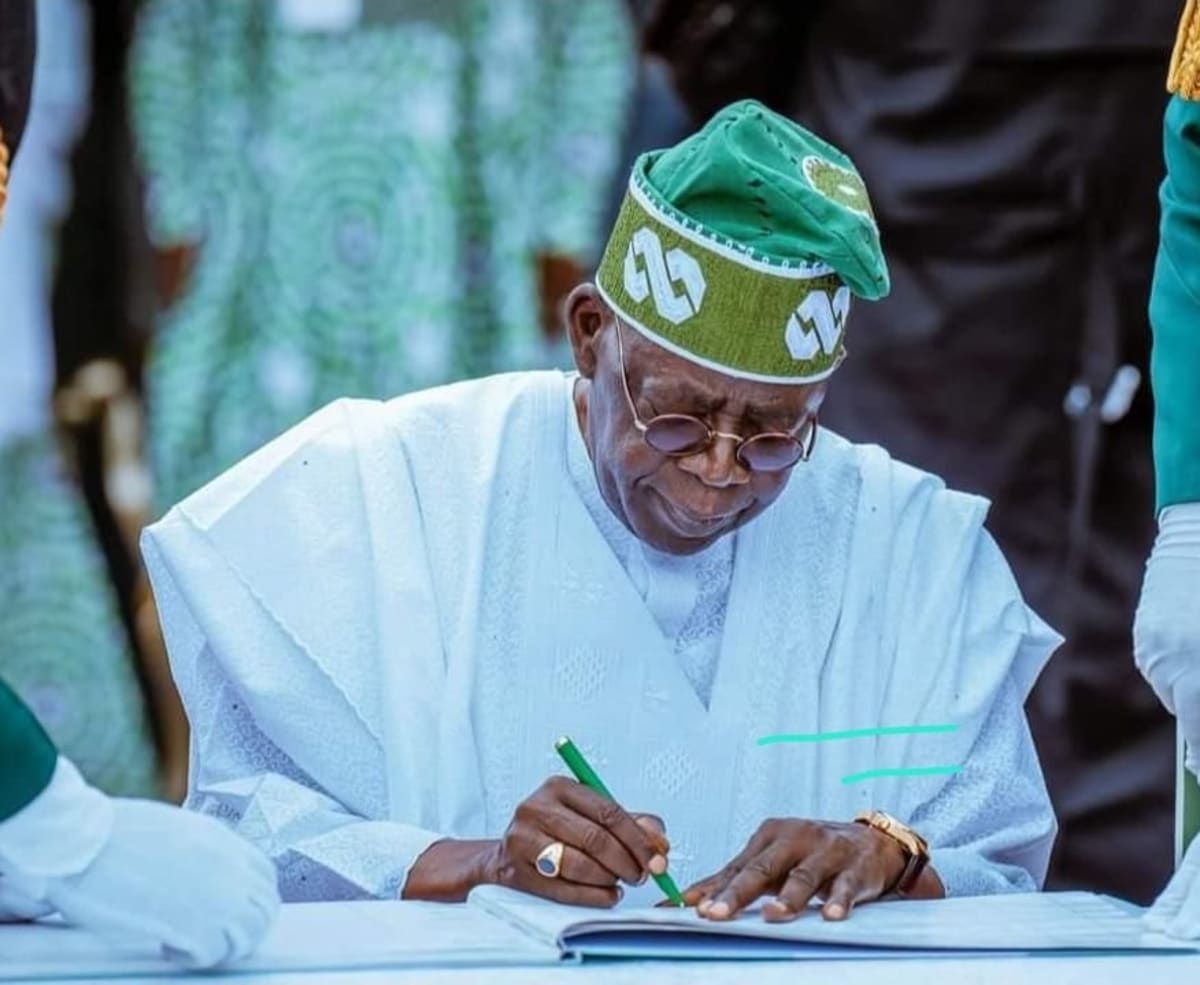
President Bola Tinubu announced Thursday that 500 new CNG refueling stations will join the 500 already in the works, creating a nationwide network designed to make daily commutes more affordable. The move comes after petrol subsidy removal sent transport fares soaring in cities and rural areas alike.
The timing matters for millions of Nigerians who have watched their transport budgets balloon. Intra-state travel has been hit especially hard, with commuters struggling to afford basic trips to work, school, and markets.
Already, more than 120,000 vehicles have been converted to CNG under the Presidential CNG Initiative. Another 100,000 conversion kits are being processed right now, with conversion centers and refueling infrastructure expanding to keep pace with demand.
The numbers tell a compelling story. CNG-powered vehicles can spend 60 to 80 percent less on fuel compared to petrol-powered ones. That's not a small saving when transport costs eat up a significant chunk of household budgets.
The government is backing the transition with serious investment. The Midstream and Downstream Gas Infrastructure Fund is financing over 100 gas projects nationwide, including 15 mother stations and 86 daughter stations. Four facilities opened in May across Lagos, Abuja, and Owerri, including one Abuja station that can serve 1,000 cars and tricycles daily.
The Ripple Effect
The real test comes October 1, when Tinubu expects savings to reach passengers through lower fares. He secured agreement from state governors to work together on making that happen, establishing a joint committee to ensure cheaper fuel actually means cheaper rides.
This isn't just about saving money at the pump. When transport costs drop, food gets cheaper because delivery is cheaper. Small businesses can afford to expand their reach. Students can get to school without their families choosing between education and other essentials.
The federal and state governments now share responsibility for turning infrastructure into actual relief. Every tier of government will need to coordinate to make sure the benefits reach ordinary Nigerians, not just vehicle owners.
Millions of daily commuters are watching to see if October brings the relief they desperately need.
More Images


Based on reporting by Premium Times Nigeria
This story was written by BrightWire based on verified news reports.
Spread the positivity!
Share this good news with someone who needs it