Rural Massachusetts Town Cuts Heating Costs by Two-Thirds
A tiny New England town slashed its energy bills and carbon footprint by switching to solar power and electric heat. In just 10 years, Warwick saved thousands while proving small communities can lead the clean energy revolution.
A picturesque Massachusetts town of just 53 elementary students is showing America how going green saves serious green.
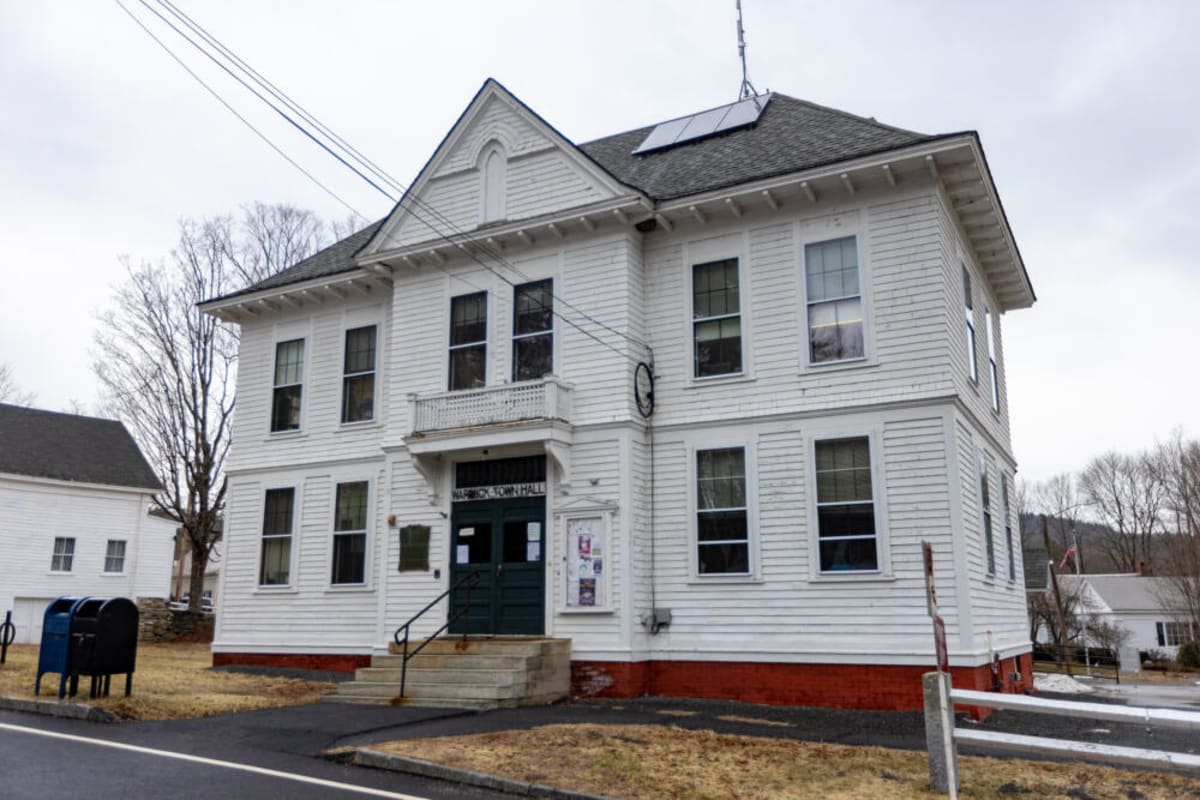
Warwick, a charming hamlet surrounded by state forest, has cut its public building energy use by more than half in the last decade. Winter heating costs dropped by two-thirds, and oil use plummeted 80 percent, all while helping the planet.
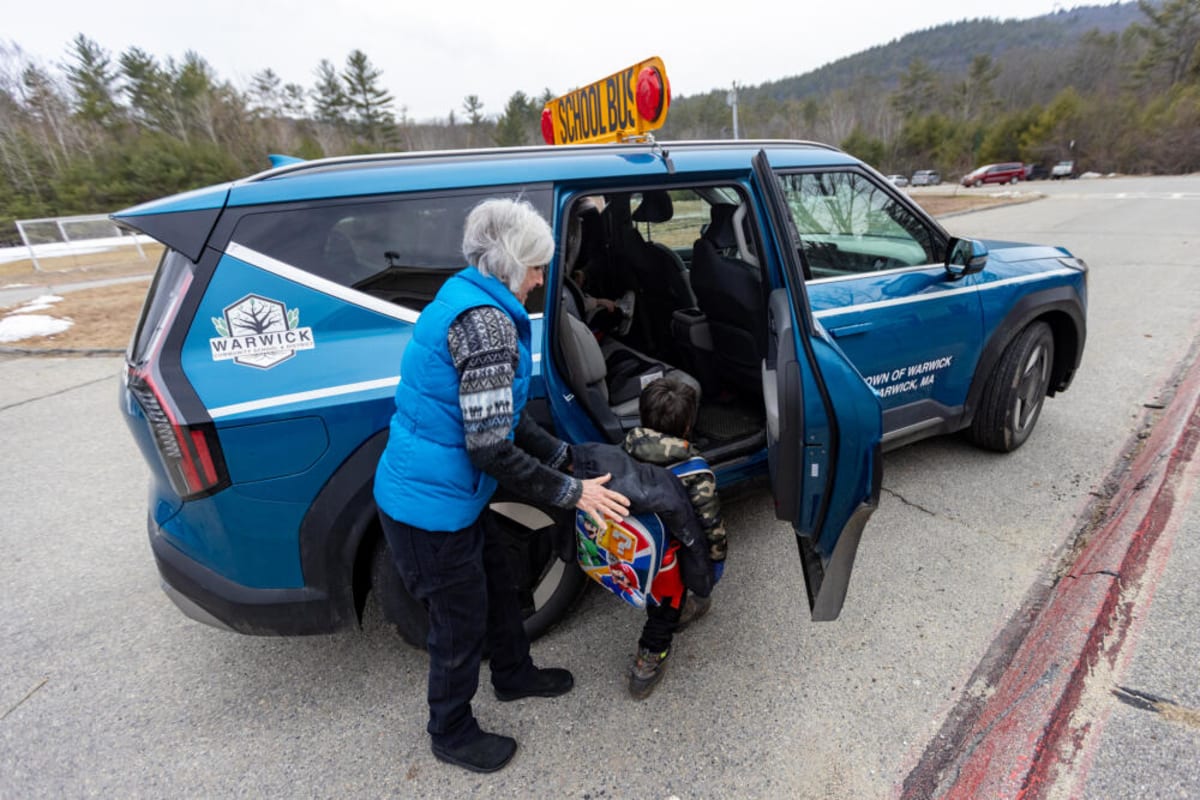
The secret? Solar panels, heat pumps, and one electric SUV the kids call the "blue bus."
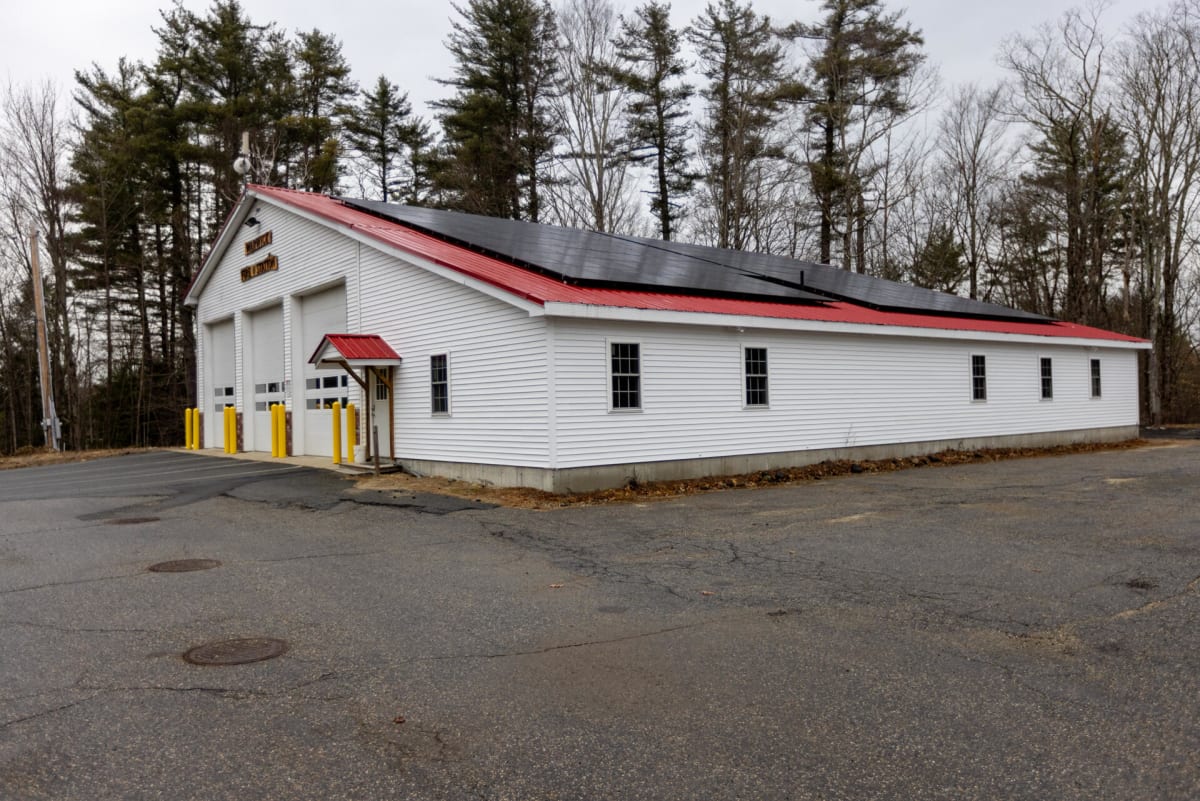
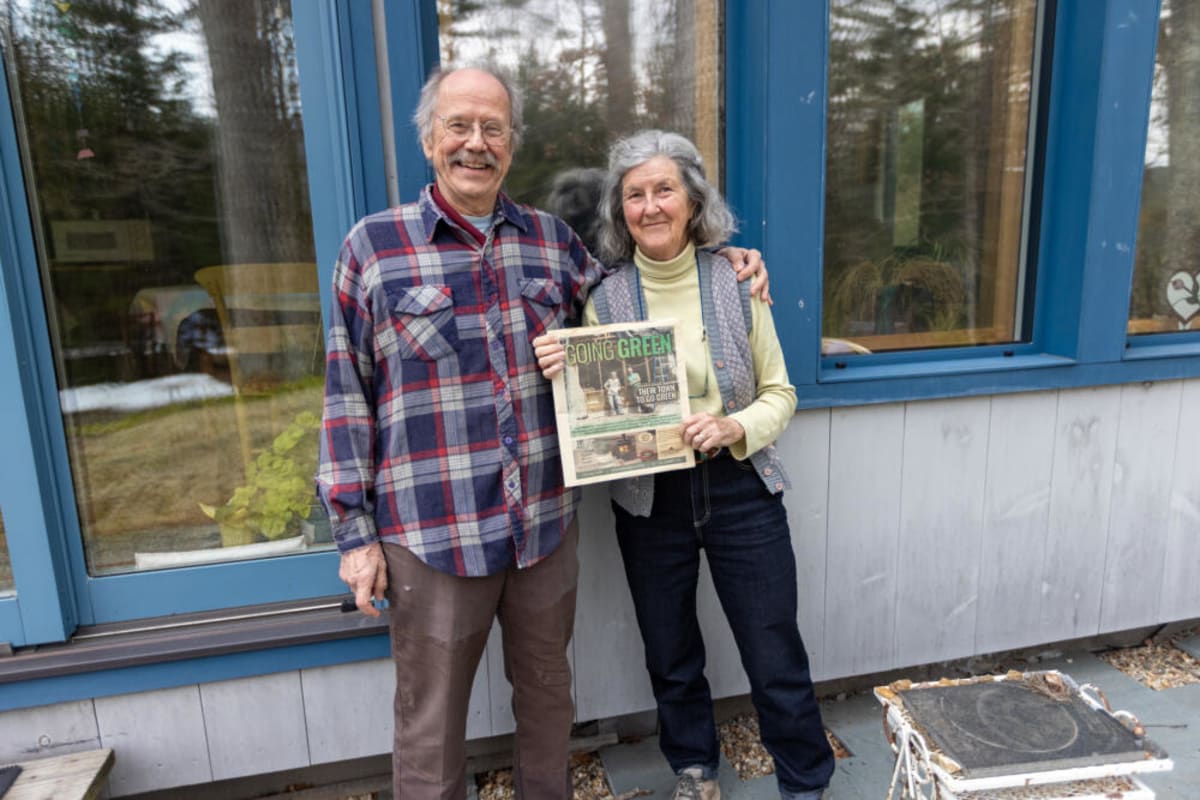
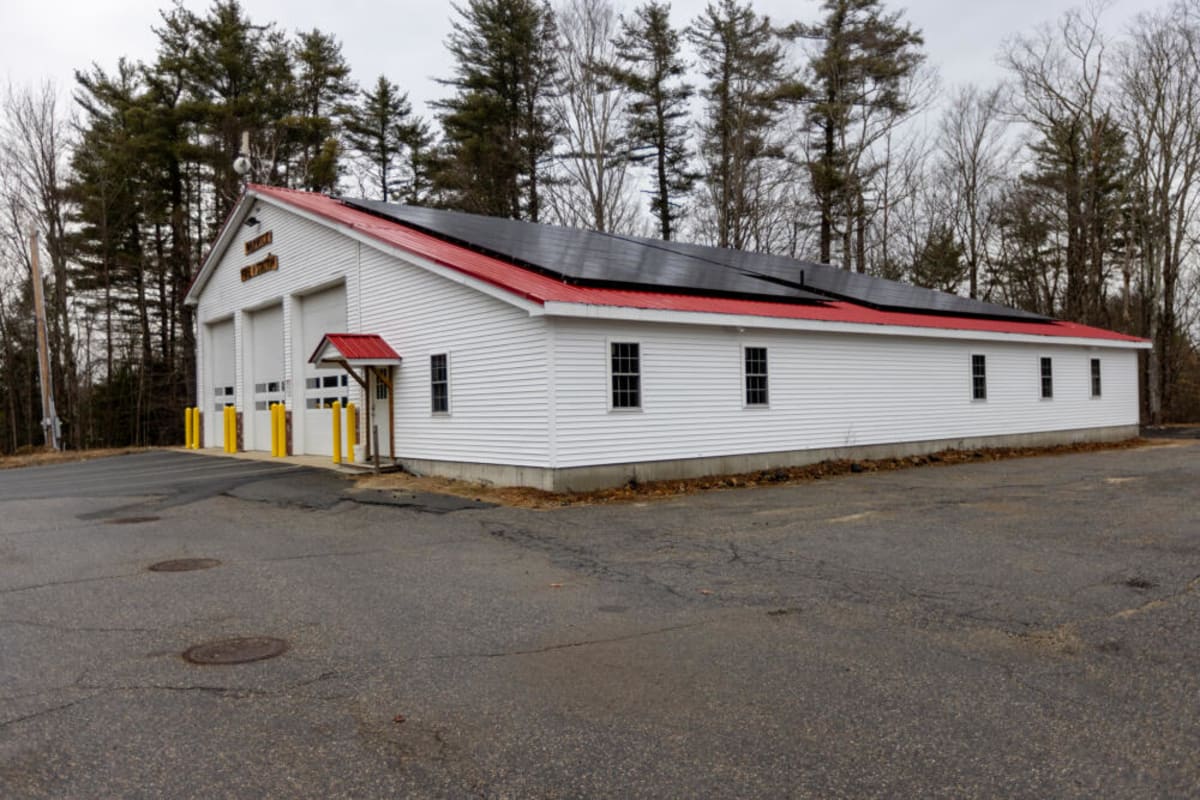
Janice Kurkoski chairs Warwick's Building and Energy Committee, the group behind the transformation. When they pitched a $170,000 solar panel project for the firehouse to town meeting members, the six-year payback period made it an easy sell.
"Everybody said, 'Boy, that makes a lot of sense,'" Kurkoski recalled. The rooftop array now generates more power than the station needs, and the town sells the surplus back to the grid.
The community school became one of their biggest wins. Heat pumps now power the building's heating, cooling, and hot water systems, dramatically slashing costs.
Even the school transportation got an upgrade. Seven students at a time ride in an electric SUV that doubles as emergency backup power for the school during outages.
This summer, a new smart charger will recharge the vehicle during off-peak hours, saving another $2,000 annually. For a town this small, every dollar counts.
The Ripple Effect
Warwick's success matters beyond town limits. Rural communities across New England face some of the nation's highest energy costs, squeezed by cold winters, inflation, and skyrocketing health insurance premiums.
Rural households typically spend more of their budgets on energy than urban areas. Older buildings lose heat faster, and natural gas pipelines don't reach remote regions, making fuel delivery expensive and unreliable during harsh weather.
But there's a "rural efficiency gap," according to Maine's Island Institute. The communities suffering most from high energy costs often lack the tax base and staff to access grants and manage improvement projects.
Warwick didn't wait for help. The committee simply got to work, later joining Massachusetts's Green Communities program, which supports municipalities pursuing renewable energy projects.
The state offers grants and incentives as part of its goal to eliminate carbon emissions by 2050. While environmental benefits attract some communities, Michael Stoddard of Efficiency Maine knows what really drives change.
"It's a lovely bonus that it's much better for the environment," Stoddard said, "but money talks first."
His agency's rebates have helped thousands of Maine households install heat pumps. Similar programs across New England are helping more rural towns follow Warwick's lead.
Selectboard chair Brian Snell sees the dual benefit clearly: "We're able to really help move ourselves away from the use of fossil fuels and be aware of the climate impacts, but also save us money now that we're going through a difficult time."
Small towns with big energy bills now have a roadmap, and it's paved with solar panels.
More Images
Based on reporting by Google News - Clean Energy
This story was written by BrightWire based on verified news reports.
Spread the positivity!
Share this good news with someone who needs it