Rural Ozarks Program Cuts Addiction Relapse in 72 Hours
A Missouri hospital is giving opioid patients free medication and virtual care within 72 hours, the critical window that can make or break recovery. The program has already helped 35 people start their journey to healing.
When someone decides to quit opioids, the first 72 hours can mean the difference between recovery and relapse. In rural Missouri, a new program is making sure no one has to face those crucial hours alone.
Mercy Hospital Lebanon created a lifeline for people battling opioid addiction in small Ozarks communities. When patients arrive at the emergency room in withdrawal or after an overdose, they leave with something they've never had before: a real plan for recovery.
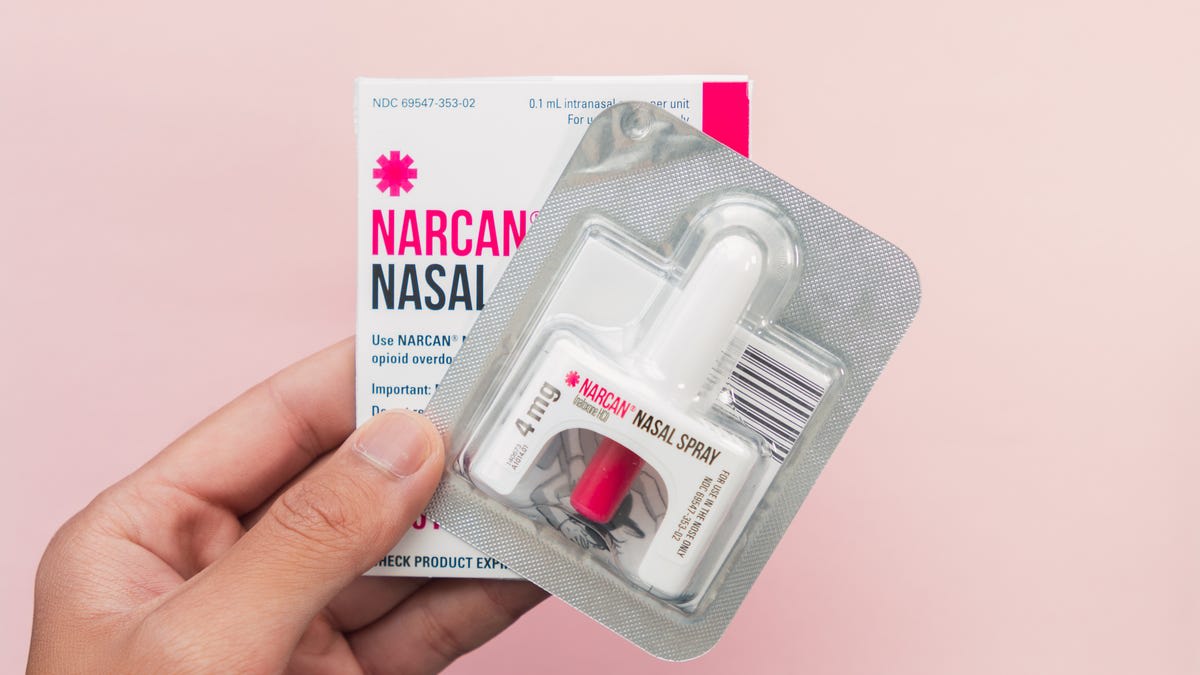
Each person receives a free three-day medication pack containing drugs that ease withdrawal symptoms and prevent overdose. Even better, they get scheduled for a virtual appointment with an addiction specialist within 72 hours, no exceptions.
The timing matters because withdrawal can be dangerous. Sweating and muscle aches can quickly turn into life-threatening symptoms like dangerously high body temperature and racing heart rate. In small towns where the nearest psychiatrist might be weeks away and pharmacies close on weekends, people often return to using drugs simply because they lack the medical support to quit safely.
Jenn Speer, who leads the program and grew up in Lebanon, saw the gap firsthand. Many overdoses happen on Friday nights, meaning patients in tiny rural towns couldn't get help until Monday when pharmacies reopened. "If our gap is already a big deal, then you can only imagine when you get 45 minutes from Lebanon and there isn't a pharmacy in the town," Speer said.
The virtual appointments solve another problem unique to small communities: privacy. In towns where everyone knows everyone, seeking addiction treatment can feel impossible. Now patients can attend appointments from anywhere during a lunch break, maintaining their anonymity while getting expert care.
The program set a modest goal of helping 100 patients in its first year. Since launching last October across five hospitals in Lebanon, Aurora, Cassville, Carthage, and Mountain Home, it has already received 109 referrals and helped 35 people actively work toward recovery. That's a massive jump from the 10 referrals the virtual program received over several years before this expansion.
The Ripple Effect
This approach treats addiction like any other disease requiring careful medical management. Speer compares it to cancer treatment, where patients receive detailed roadmaps explaining medications, side effects, and what to expect. Addiction patients deserve the same comprehensive care plan, and now they're getting it.
The $300,000 federal grant that launched the expansion is training emergency room staff to provide compassionate, judgment-free care. Once patients connect with the program, navigators help them sign up for Medicaid or other insurance, making the system sustainable even after grant funding ends.
The program is already exceeding its wildest expectations, and Speer is exploring ways to grow it further. For the first time, rural Ozarks residents battling addiction have access to immediate medical support exactly when they need it most.
Small towns across Missouri are proving that distance and limited resources don't have to be barriers to recovery.
Based on reporting by Google News - New Treatment
This story was written by BrightWire based on verified news reports.
Spread the positivity!
Share this good news with someone who needs it