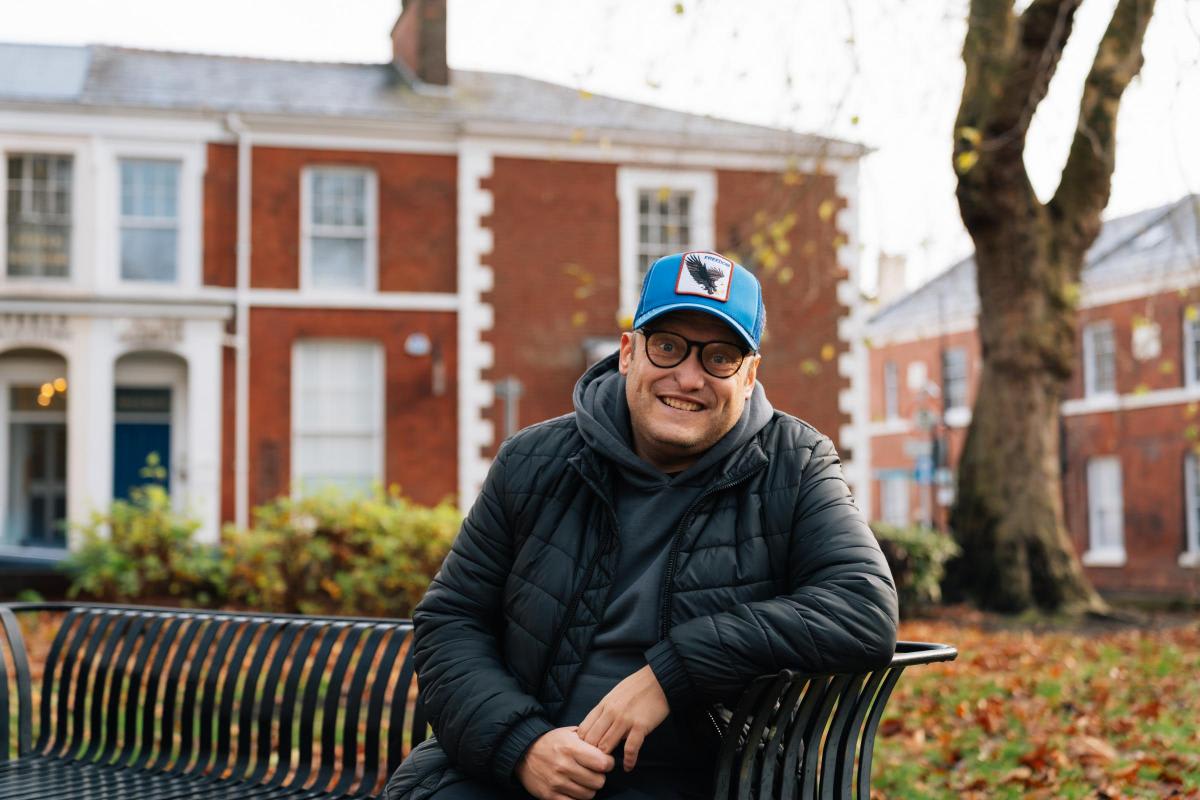
Tennis Pro Finds New Life After Addiction at Warrington Center
After losing everything to cocaine and alcohol, Paul hit rock bottom when his kidneys began failing. Now he volunteers at the same Warrington recovery center that saved his life, helping others find hope.
A former international tennis player who nearly died from addiction is now helping others recover at the same Warrington center that saved him.
Paul started playing tennis at age four and competed internationally, but an injury at 17 shattered the structured life he'd built. Without tennis, he turned to alcohol and cocaine to feel free.
When his mother died two years ago, Paul's addiction spiraled out of control. He was using cocaine daily, spending recklessly, and sinking into debt while his body deteriorated.
"My skin was yellow, my eyes were open but there were no lights behind," Paul recalls. His nose was badly damaged from cocaine use, his kidneys were failing, and he experienced psychosis.
He lost his home, his relationships, and nearly his life. His sister and closest friend had to walk away, unable to watch his self-destruction.
One day, sitting outside Pathways to Recovery Warrington in severe pain, a worker brought him inside. Paul thought he would die that day, so he surrendered to help.
He started attending Pathways every day from nine to five, joining every group available. The comprehensive support helped him develop a completely different mindset about life and recovery.
Sunny's Take
Today, Paul volunteers at the same center, facilitating groups and visiting hostels to support others in recovery. He's proud to share his story honestly, including the truth about his nose damage.
"People like us, who've been through addiction and come out the other side, are the luckiest people in the world," Paul says. "We get two lifetimes in one."
Pathways offers more than traditional recovery services, organizing Peak District walks and fishing groups to build connection and community. For Paul, the work gives his life purpose.
He faces the stigma with honesty now, hoping his story will encourage others struggling with addiction to reach out for help. His message is simple: don't let fear of judgment stop you from getting well.
Paul wants people to understand that addiction runs deeper than drugs. "It's an emotional problem," he explains, asking his community to show compassion to those seeking recovery.
More Images
Based on reporting by Google News - Recovery Story
This story was written by BrightWire based on verified news reports.
Spread the positivity!
Share this good news with someone who needs it