Honolulu Program Sends 60 to Treatment, Not Jail
A new Hawaii program is connecting mentally ill homeless individuals with healthcare instead of handcuffs. One-third of those helped are now off the streets and receiving ongoing treatment.
Honolulu has found a compassionate alternative to arresting people in mental health crisis, and the results are already changing lives.
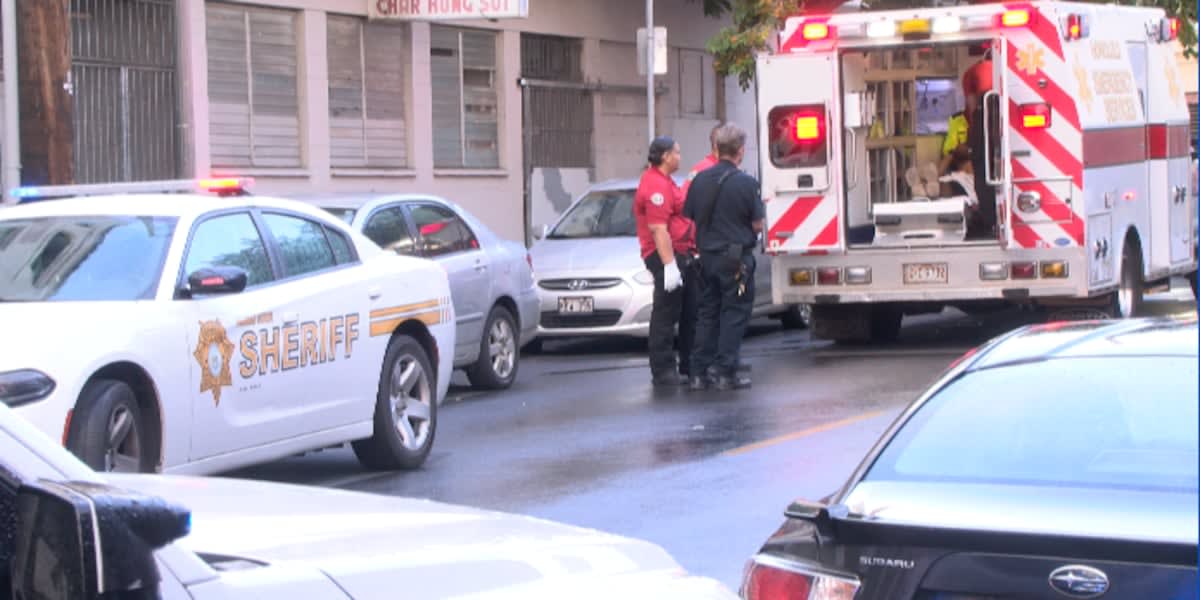
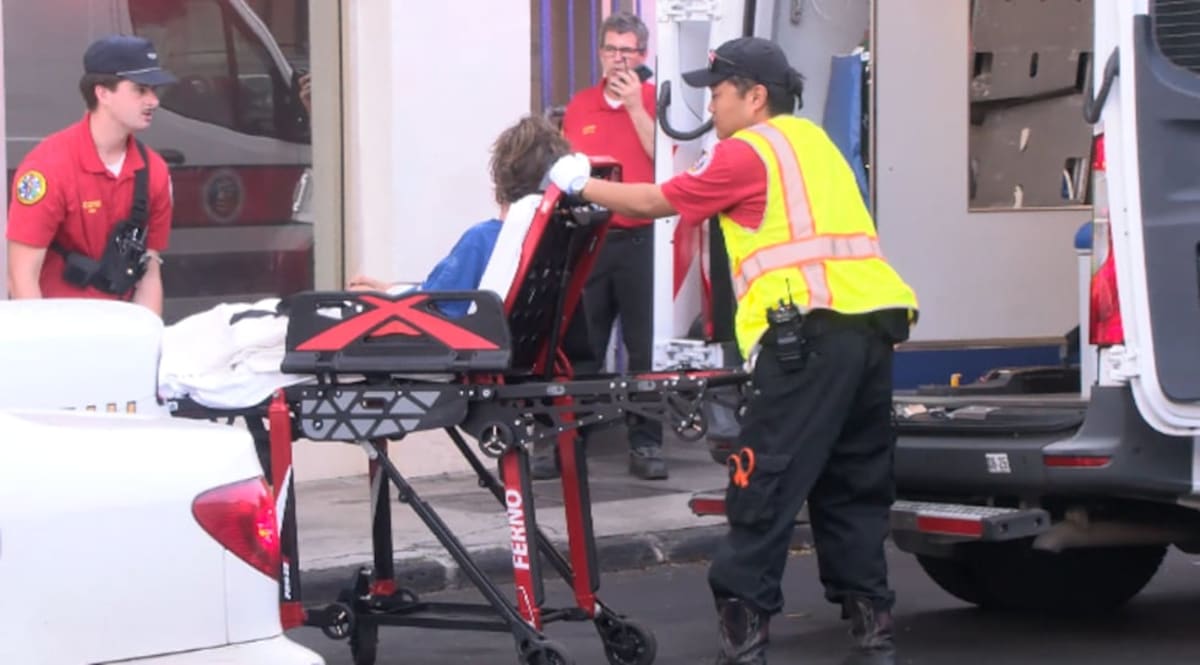
Since January, the MH-3 pilot program has transported 60 homeless individuals experiencing severe mental illness to healthcare facilities for evaluation and treatment instead of jail cells. Twenty of them are still off the streets today, living in respite centers or transitional housing where they're getting the help they need.
The program pairs Honolulu's Crisis Outreach Response & Engagement team with law enforcement officers three days a week. Under new legislation passed last year, they can now bring people to treatment facilities even when those individuals refuse help, as long as they pose a danger to themselves or others.
"They're not in trouble. They didn't break the law," explains Dr. James Ireland, director of Honolulu Emergency Services. "But because they are a danger to themselves or others, they can be involuntarily taken to a facility to get an emergency evaluation."
The approach has been remarkably peaceful. Of the 60 people transported, only six needed to be handcuffed for the ride to treatment. None required physical force or restraint beyond that.
The Ripple Effect
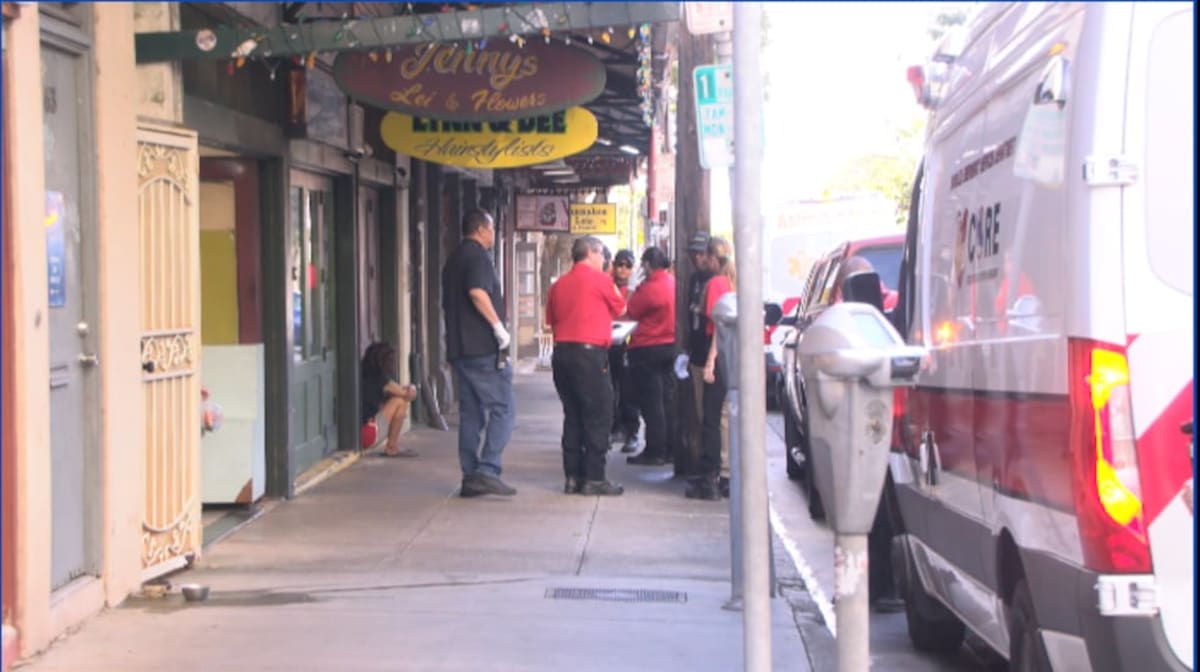
The program is restoring dignity not just for those in crisis, but for entire neighborhoods. Business owners in Chinatown who once started their mornings cleaning up after people in distress are seeing real change. Local restaurants can welcome diners without uncomfortable disruptions nearby.
City council member Tyler Dos Santos-Tam, who represents Chinatown, watched the team in action. "The ones that remain out on the street are the really difficult cases," he said. "And those are the ones that need these kinds of interventions."
State Senate candidate Tricia Nakamatsu emphasized the humanitarian nature of the work. "When you see the conditions that they're living in, it becomes pretty apparent that the humane thing to do is to get them help."
Many of those transported need medication and ongoing care they couldn't access while living on the streets. Dr. Ireland notes that mental illness often prevents people from recognizing they need help, making compassionate intervention crucial.
The pilot program is already expanding this summer from three days a week to five, with plans to become permanent.
More Images
Based on reporting by Google News - New Treatment
This story was written by BrightWire based on verified news reports.
Spread the positivity!
Share this good news with someone who needs it