Hawaii's Climate Observatory Reopens After 3-Year Shutdown
After a volcano buried a mile of road in lava, helicopter crews kept a crucial climate monitoring station alive for three years. Now the road is rebuilt and scientists are back on the ground at one of Earth's most important environmental observatories.
For more than three years, NOAA scientists had only one way to reach their climate research station in Hawaii: by helicopter over a river of hardened lava.
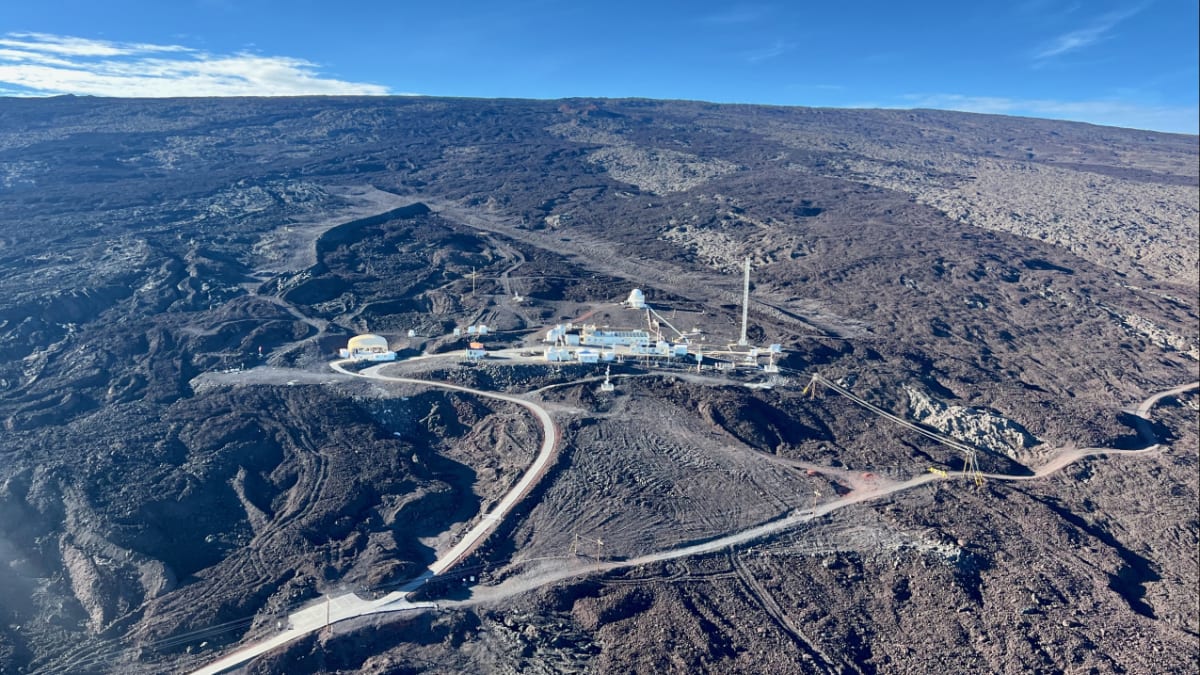
When Mauna Loa volcano erupted in November 2022, it buried 6,000 feet of road under 30 feet of molten rock, cutting off land access to the Mauna Loa Observatory. The facility sits two miles high on Hawaii's Big Island, where scientists have tracked Earth's changing atmosphere since the 1950s.
But on March 26, 2026, road crews finished carving a path through the volcanic rock. Scientists who had maintained limited operations by air can now drive to the site and restart the research that paused the day the volcano erupted.
"The reopening of the road to MLO is a monumental win for NOAA and our long-term environmental observations," said Vanda Grubišić, director of NOAA's Global Monitoring Laboratory. After more than three years of isolation, the team can finally focus on upgrading this pristine research site.
The observatory holds the longest continuous record of atmospheric measurements on Earth, spanning more than 60 years. Every additional year of data makes the entire collection more valuable for understanding how our planet's air is changing.
When lava flow destroyed the power lines in 2022, scientists refused to let the measurements stop. Within 10 days, they installed backup carbon dioxide monitoring systems on nearby Mauna Kea volcano to keep the crucial climate data flowing.
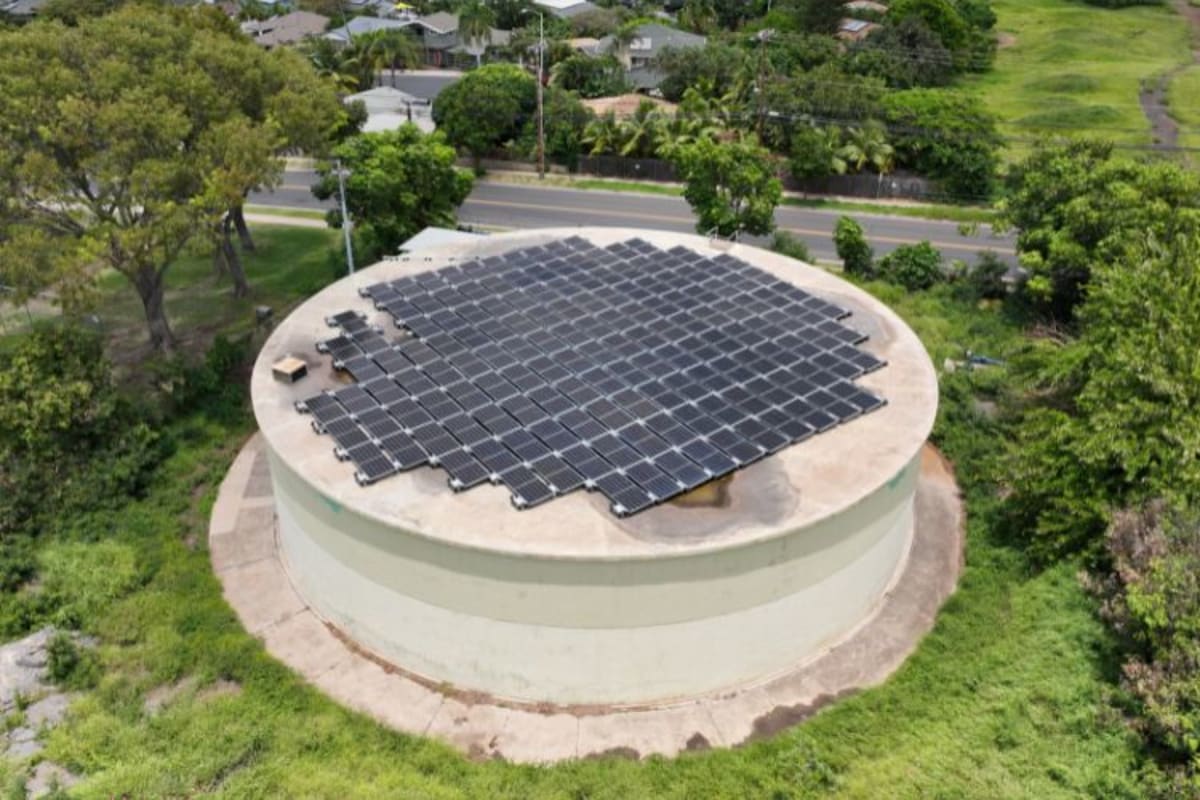
By mid-2023, the team had jury-rigged solar panels and battery systems to power key buildings accessible only by helicopter. They managed to keep 68% of the observatory's 91 daily measurement programs running throughout the crisis.
The Ripple Effect
The road restoration opens the door to something bigger than recovery. NOAA is planning a major campus upgrade that will expand the observatory's scientific reach and create new opportunities for international research collaboration.
Plans include a new 130-foot instrumented tower, flexible laboratory spaces, fiber connectivity across campus, and buildings designed to maximize solar energy generation. A dedicated outreach space will preserve the site's historic legacy while welcoming visitors to learn about climate science.
The upgrades will transform a facility that already serves scientists worldwide into an even more powerful tool for understanding Earth's atmosphere. Research teams from dozens of countries rely on Mauna Loa's pristine high-altitude location and decades of baseline data.
The temporary road that reconnected this scientific outpost represents more than engineering skill. It shows what happens when people refuse to let natural disasters stop essential work that helps everyone understand our changing planet.
Based on reporting by Google News - Science
This story was written by BrightWire based on verified news reports.
Spread the positivity!
Share this good news with someone who needs it