Rural Virginia Gets Top Cancer Care 18 Minutes From Home
When Alan Veeck needed prostate cancer treatment, he didn't have to travel hours to Richmond. Specialized radiation therapy arrived in his rural community, turning weeks of treatment into manageable 20-minute visits close to home.
Alan Veeck faced a choice no one wants to make: surgery with complications his friends had warned him about, or finding another path to beat prostate cancer.
The 60-something Virginia resident had moved to the Lake Gaston area near South Hill, expecting he'd need to drive hours for specialized cancer treatment. Instead, he found world-class care just 18 minutes from his front door.
When routine prostate exams showed rising PSA levels, a biopsy confirmed prostate cancer. His doctor initially recommended surgery, but Alan hesitated after watching friends struggle through long recoveries and difficult side effects.
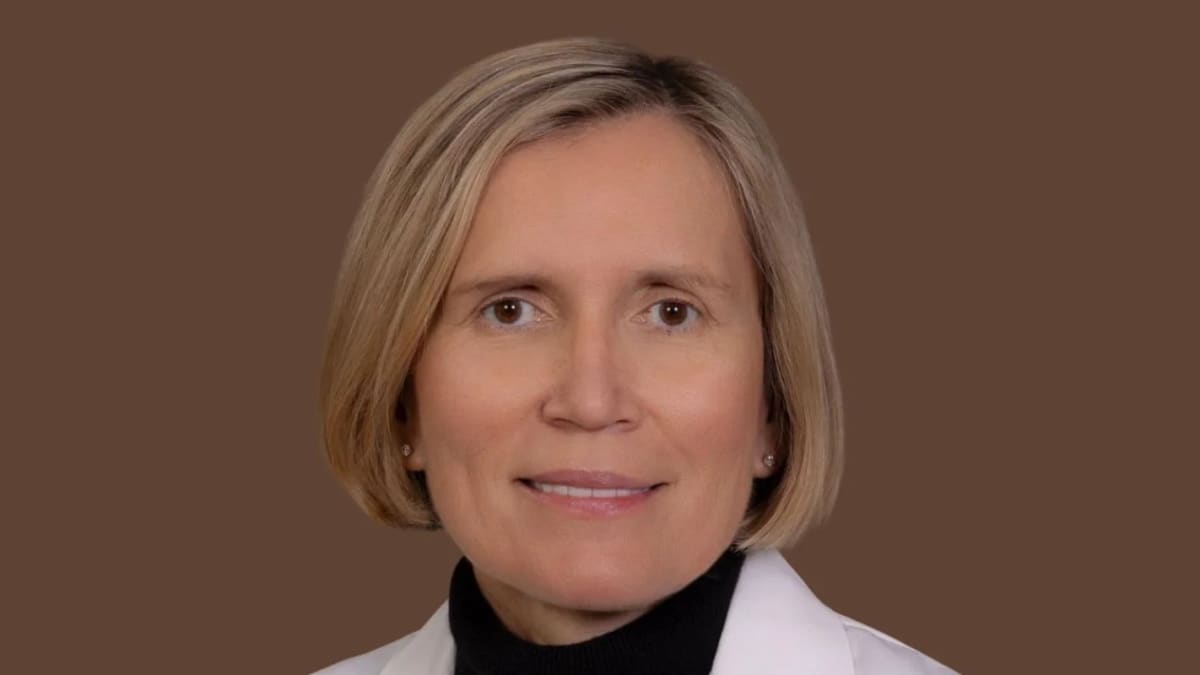
Dr. Timothy Wallace, who leads radiation oncology at VCU Health Community Memorial Hospital in South Hill, offered Alan a different approach. Hormone therapy combined with radiation could achieve the same outcome as surgery, without the lengthy recovery time.
"Surgery was an option for him, but we know that ultimately the outcomes are the same whether you have surgery or radiation," Wallace explained. "So it really becomes a quality-of-life issue and a personal decision."
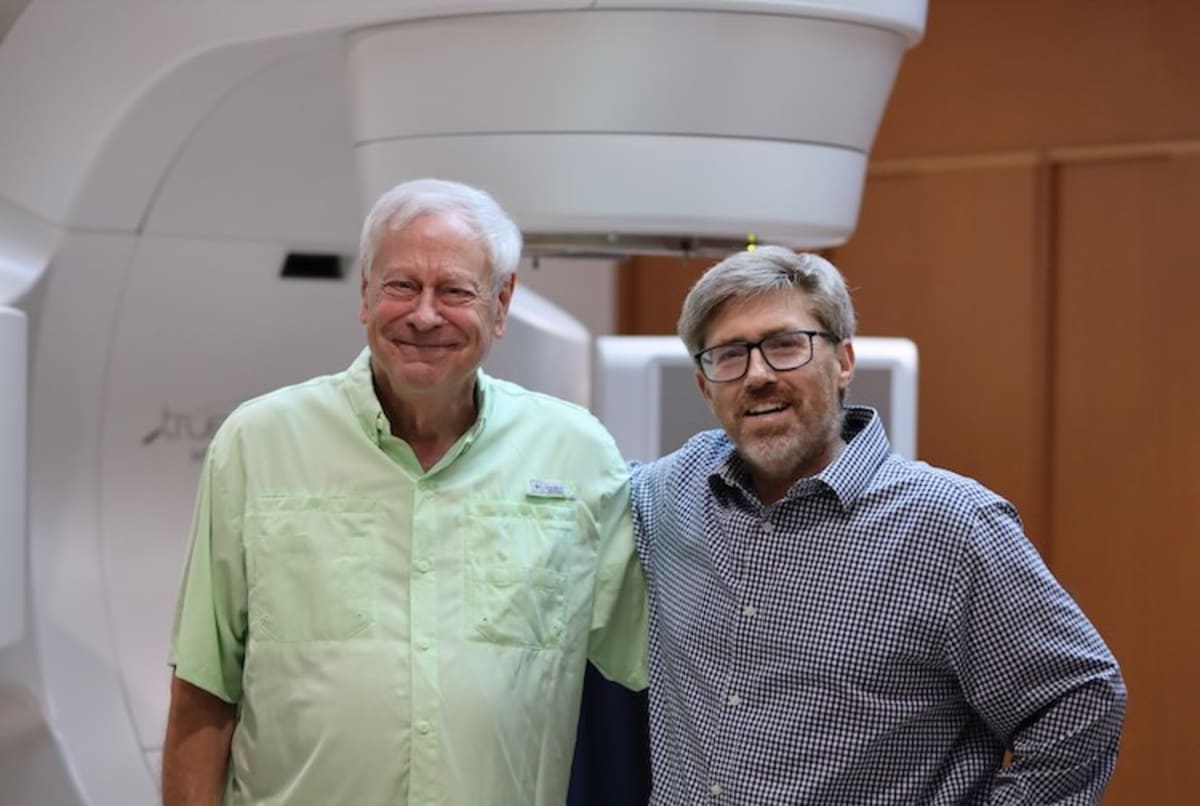
Alan chose radiation. For six weeks, he made the short drive to South Hill five days a week. Each appointment took about 20 minutes door to door, with just 10 minutes of actual treatment time.
The Ripple Effect
The Solari Radiation Therapy Center represents something bigger than one man's cancer journey. It's the first and only radiation treatment facility in Southern Virginia, bringing National Cancer Institute-level care to rural communities that previously had to travel hours for treatment.
For patients needing 20 consecutive treatments, that proximity transforms an overwhelming burden into something manageable. No missing family events. No exhausting three-hour round trips while fighting cancer. No choosing between top-tier care and staying close to home.
Wallace says the center's new Varian HyperSight TrueBeam radiation system means rural patients aren't sacrificing cutting-edge technology for convenience anymore. They're getting both.
About one in eight men will be diagnosed with prostate cancer in their lifetime, making it the most common cancer in men after skin cancer. For rural communities, access to specialized treatment can mean the difference between seeking care early and delaying until options narrow.
Alan recently celebrated five years in remission. He got to attend those family events he worried about missing, and he spent his recovery at home by the lake instead of in Richmond hotel rooms.
"If I would have had to drive to Richmond or even Norfolk every day for six weeks, it would be extremely hard to do," Alan said. His 18-minute drive made all the difference.
Based on reporting by Google News - Cancer Survivor
This story was written by BrightWire based on verified news reports.
Spread the positivity!
Share this good news with someone who needs it