Rwanda: 32 Years From Genocide to Africa's Rising Star
Three decades after losing 800,000 people in 100 days, Rwanda has transformed into one of Africa's most admired nations through intentional leadership and national unity. The country's annual Kwibuka remembrance season shows how confronting tragedy head-on can build a stronger future.
Rwanda pauses each April not to forget its darkest chapter, but to prove that even profound devastation doesn't have to define a nation's future.
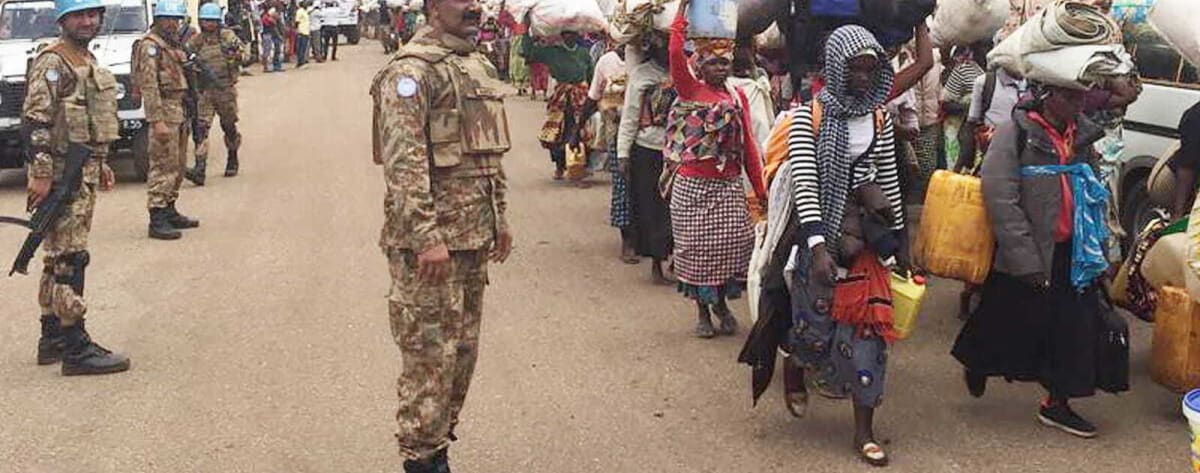
This year marks 32 years since the 1994 genocide claimed over 800,000 lives in just 100 days. During Kwibuka—meaning "to remember"—the entire country shifts into reflection mode for weeks. Radio stations play somber music, public vigils fill the calendar, and communities gather not because they're told to, but because they believe remembering protects tomorrow.
The transformation since then is extraordinary. In 1994, Rwanda's institutions had collapsed and hope seemed impossible. Today, the capital Kigali is known as one of Africa's cleanest cities, with modern infrastructure and a sense of order that visitors consistently notice.
Under focused leadership, the country prioritized three things: unity over division, accountability over blame, and development despite limited resources. The results show up in daily life and global rankings alike.
Rwanda now leads the world in women's parliamentary representation, with female leaders integrated throughout government, business, and innovation sectors. This wasn't symbolic tokenism but structural change, embedding inclusion into how the nation operates.
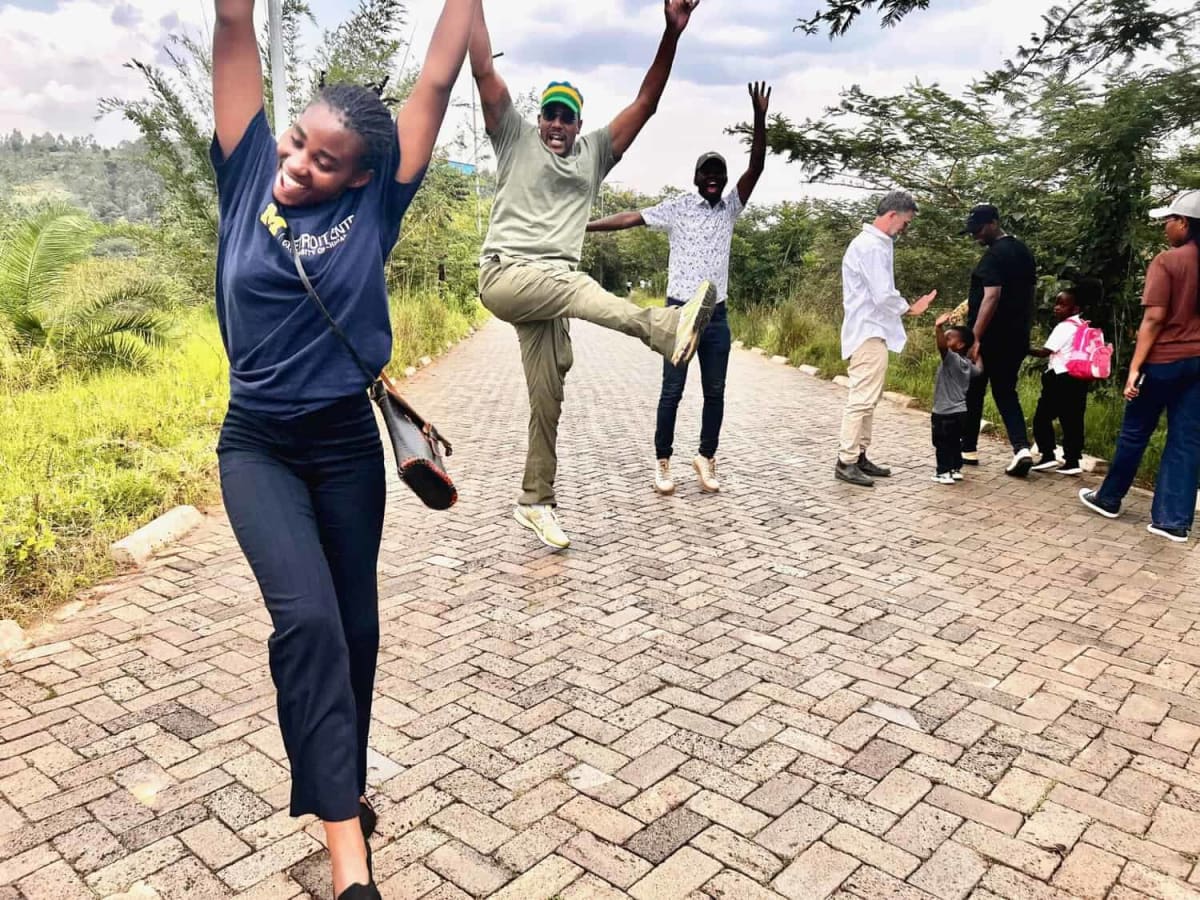
Young people drive much of the country's growth, actively shaping policy and enterprise. Rwandans living abroad have returned home with skills, capital, and fresh perspectives, strengthening everything from technology to finance while reinforcing shared national identity.
Justice played a crucial role in healing. Community-based Gacaca courts processed overwhelming numbers of genocide cases through restorative practices focused on truth-telling and reconciliation. While imperfect, the system let communities confront the past directly, speeding healing and building cohesion.
The Ripple Effect
Rwanda's journey offers lessons far beyond its borders. The nation proves that clarity of vision combined with disciplined action can overcome seemingly impossible odds.
Other countries emerging from conflict study Rwanda's model of remembrance paired with forward momentum. The balance of honoring victims while building prosperity shows that nations don't have to choose between memory and progress.
The diaspora's return demonstrates how global communities can rebuild their homelands. Their involvement strengthened Rwanda's economy while showing that physical distance doesn't erase belonging or responsibility.
Women's leadership in Rwanda has inspired policy changes across Africa, proving that gender inclusion isn't just ethical but economically smart. When half the population fully participates, everyone benefits.
As this year's theme states—"Remember, Unite, Renew"—Rwanda shows that nations can rise from ashes to aspiration when citizens align around shared purpose and leaders execute with intention.
More Images


Based on reporting by AllAfrica - Headlines
This story was written by BrightWire based on verified news reports.
Spread the positivity!
Share this good news with someone who needs it