UN Tribunals Close After 30 Years of Justice
The UN courts that prosecuted war crimes from Yugoslavia and Rwanda officially closed this week, marking the end of a historic chapter in international justice. Over three decades, these tribunals convicted 155 people and paved the way for today's International Criminal Court.
The final gavel fell Wednesday at the UN tribunals created to bring justice for two of history's darkest chapters: the 1990s Yugoslav wars and Rwanda's 1994 genocide.
The closing hearing involved Félicien Kabuga, accused of financing Rwanda's genocide, who died last Saturday at age 90. While he never stood trial due to severe dementia, his case marked the end of a remarkable 30-year effort to hold war criminals accountable.
The two tribunals achieved something many thought impossible. They convicted 155 people for atrocity crimes, proving that international justice could work even in the aftermath of unspeakable violence. Former military commanders, political leaders, and genocide architects faced their day in court.
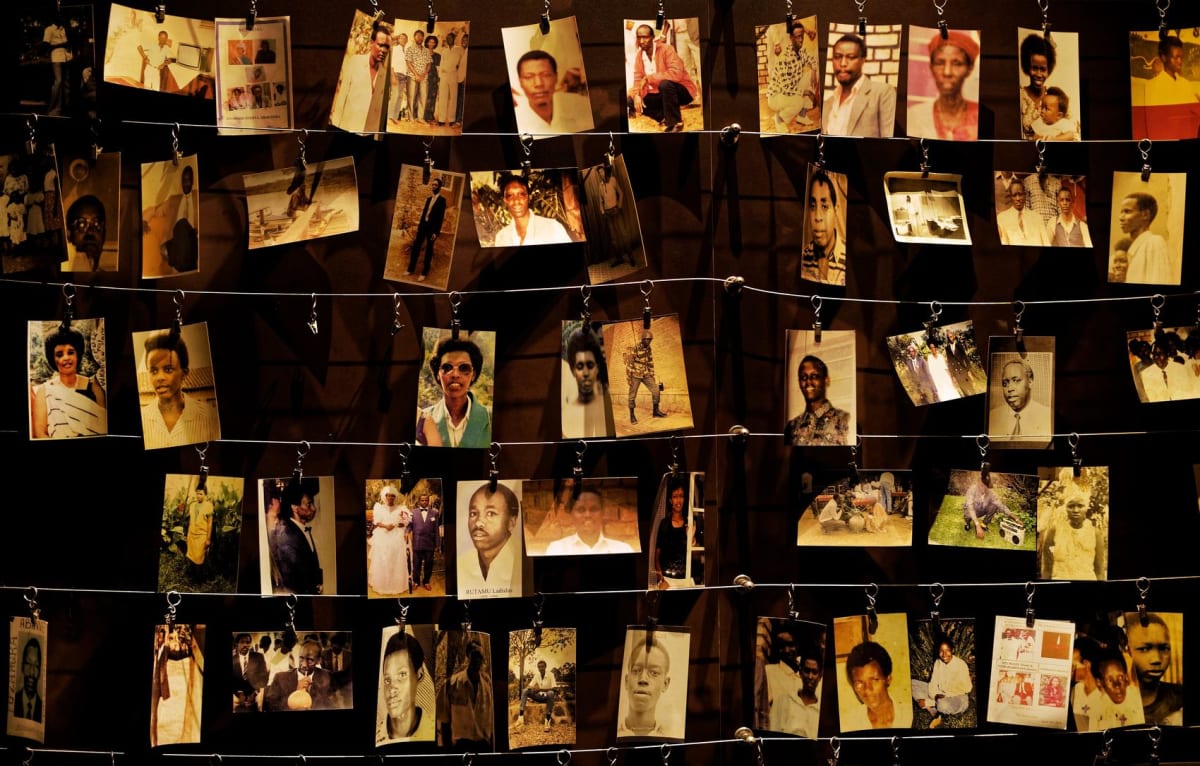
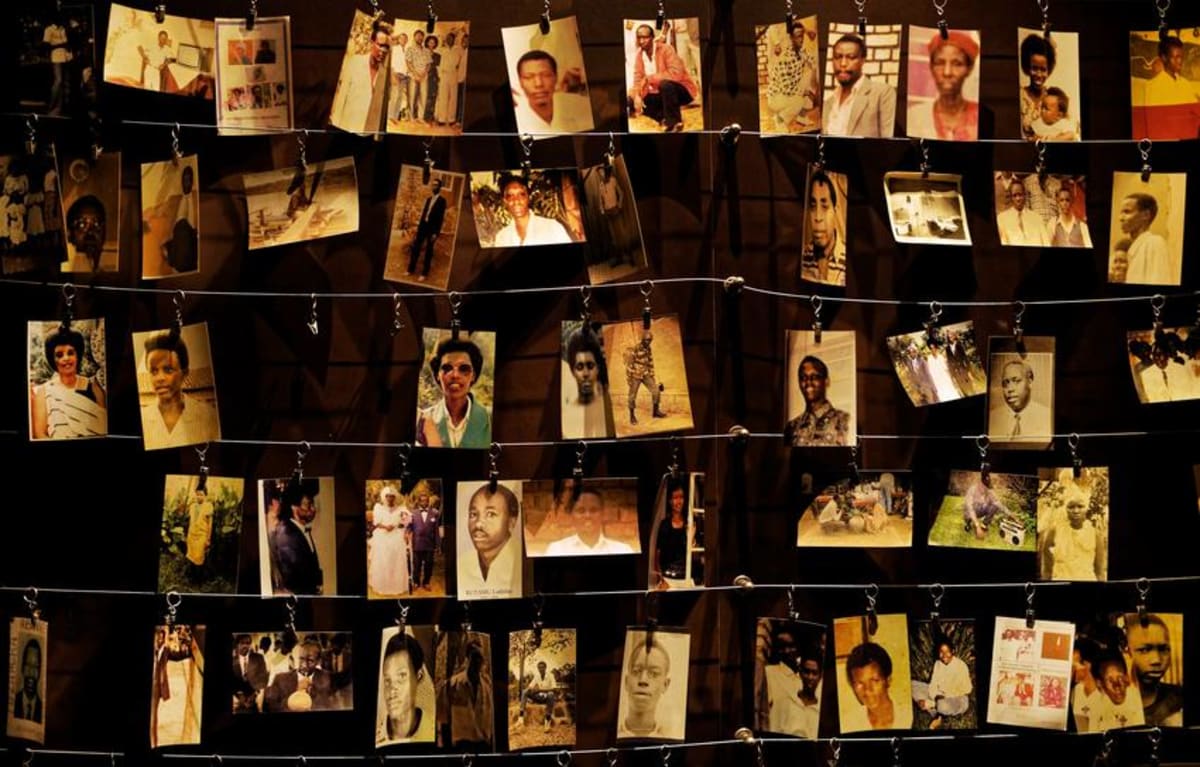
These courts did more than prosecute criminals. They created detailed historical records, collecting millions of pages of documents and testimony that preserve the truth of what happened. Survivors gained a platform to share their stories, and the world gained a model for accountability.
The tribunals' greatest legacy may be what they inspired. In 2002, the International Criminal Court opened its doors in The Hague as a permanent global institution, built on lessons learned from these earlier efforts. No longer would the international community need to create new courts for every conflict.
The Ripple Effect
The impact of these tribunals extends far beyond their 155 convictions. They established legal precedents that define genocide, crimes against humanity, and war crimes in modern international law. Courts around the world now reference their rulings.
They also demonstrated that justice, while sometimes slow, can reach even those who thought themselves untouchable. Kabuga himself evaded capture for nearly two decades before his 2020 arrest outside Paris, proving that time doesn't erase accountability.
For survivors, the tribunals provided something invaluable: official recognition of their suffering. While no trial can undo trauma, having the world acknowledge these atrocities through formal legal proceedings brings a form of closure.
The courts' archives now hold irreplaceable historical evidence, including diaries, newspapers, and thousands of witness testimonies. These documents will help future generations understand what happened and why it must never happen again.
As these tribunals close, they leave behind a world more committed to accountability than before they existed.
More Images


Based on reporting by Japan Today
This story was written by BrightWire based on verified news reports.
Spread the positivity!
Share this good news with someone who needs it