%2Ffile%2Fattachments%2Forphans%2FBUSIMAVUSO_323364.jpg)
SA Business and Engineers Unite to Fix Failing Cities
South Africa's top business leaders and civil engineers are joining forces with government to rescue struggling municipalities with concrete plans for accountability and professional management. Real reforms are already in motion to end political appointments and restore basic services.
When the country's biggest businesses and top engineers agree on the same solution, something important is happening.
Business Leadership South Africa and the SA Institution of Civil Engineering aren't just complaining about broken municipalities anymore. They're rolling up their sleeves with detailed plans to fix them, and the government is listening.
The crisis is real. Major cities are crumbling, water pipes are bursting, and the National Treasury recently had to withhold payments to force municipalities to clean up their act. But for the first time in years, there's a roadmap forward that everyone can agree on.
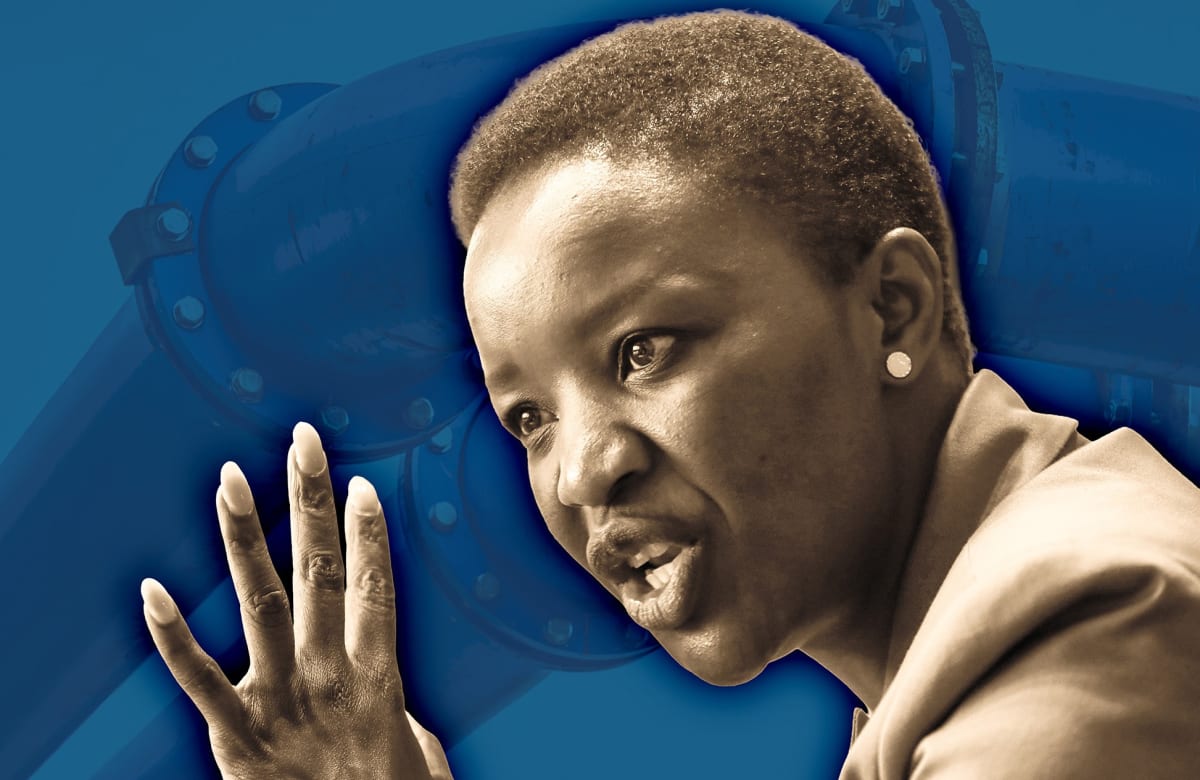
BLSA CEO Busisiwe Mavuso made it clear at a recent webinar that businesses are ready to help with resources and expertise. The catch? They need competent leaders on the other side of the table. "We are not going to remain passive as the business community," she said, calling for accountability as a necessary condition for investment.
The engineering institution is equally firm. CEO Sekadi Phayane-Shakhane insists that senior technical leaders must be registered professionals, not political appointments. "Transferring a mandate without transferring the means to deliver simply moves the failure to a new address," she explained.
The good news is that the draft White Paper on Local Government shows these concerns are being heard. The new policy explicitly abolishes "political suitability" as a hiring requirement for senior municipal positions. Instead, independent recruitment panels will choose leaders based on actual qualifications.
Even better, municipal managers will serve seven to ten year terms, removing them from short electoral cycles. This means they can focus on fixing problems instead of pleasing politicians.
The National Treasury now has power to intervene much earlier when things go wrong. They can remove mayors and city managers before complete collapse, rather than waiting for disaster to strike.
The Ripple Effect
These reforms matter far beyond city halls. When municipalities work properly, businesses can invest with confidence, creating jobs for communities. When water flows, power stays on, and roads get fixed, everyone from small shop owners to major manufacturers can plan for the future instead of managing daily crises.
The engineering professionals are pushing for something even more fundamental: proper maintenance. Building new infrastructure is just the beginning; keeping detailed records and budgeting for lifecycle costs means today's projects won't become tomorrow's emergencies.
There are still gaps. The engineers want an independent technical oversight body with real-time monitoring, not just annual audits. They're also calling for mandatory professional certification requirements that haven't made it into the policy yet.
But after decades of decline, the conversation has shifted from finger-pointing to problem-solving. Business leaders, engineers, and government officials are finally speaking the same language about what needs to happen.
South Africa's cities won't turn around overnight, but the blueprint for recovery is taking shape with input from people who actually know how to build things and run organizations.
More Images

Based on reporting by Daily Maverick
This story was written by BrightWire based on verified news reports.
Spread the positivity!
Share this good news with someone who needs it
%2Ffile%2Fattachments%2F2997%2FStudentslistentoateacheratCwebeniJuniorSecondaryschoolonFebruary22024inCwebeniaruralvillageoutsidePortStJohnsSouthAfrica_751896.jpg)