San Antonio's Wildlife Bridge Reunites a Split Ecosystem
A 150-foot-wide land bridge in San Antonio now allows deer, coyotes, and bobcats to safely cross a six-lane highway, reconnecting habitat that had been split for years. Within six months of opening, wildlife biologists spotted animals using their new passage home.
When a highway sliced through San Antonio's open prairie land in the 2000s, it didn't just cut through dirt and grass. It severed an ecosystem, trapping wildlife on either side of six lanes of speeding traffic.
But former mayor Phil Hardberger had a different vision for his city. He believed San Antonio should focus on quality of life, not just endless growth, even when his advisers warned him that "soft stuff" like parks wouldn't win votes.
Today, the 311-acre Phil Hardberger Park stands on former dairy farmland, featuring mature oak trees including one that's 400 years old. The landscape architects at Stimson Studio and Rialto Studio restored 75% of the area to native Texas prairie, one of North America's most endangered ecosystems with only 1% remaining.
The park's centerpiece is the Robert LB Tobin land bridge, a 150-foot-wide crossing that arches over the highway. Inspired by European wildlife crossings, the bridge functions as a natural extension of the park for both animals and people.
To keep wildlife undisturbed, designers pushed the pedestrian walkways to one side and built a steep berm with plantings as a buffer. Eight-foot-tall steel walls block views of the highway and shield animals from headlights and noise.
The designers extended entry points deeper into the park and constructed winding elevated walkways to maintain an accessible 5% grade. Circular cutouts in the walls bring airflow to combat the heat from stone and metal materials.
The Ripple Effect
The land bridge opened in 2020, and the results came quickly. Within six months, biologists spotted coyotes, deer, bobcats, and small mammals crossing safely between the divided habitats.
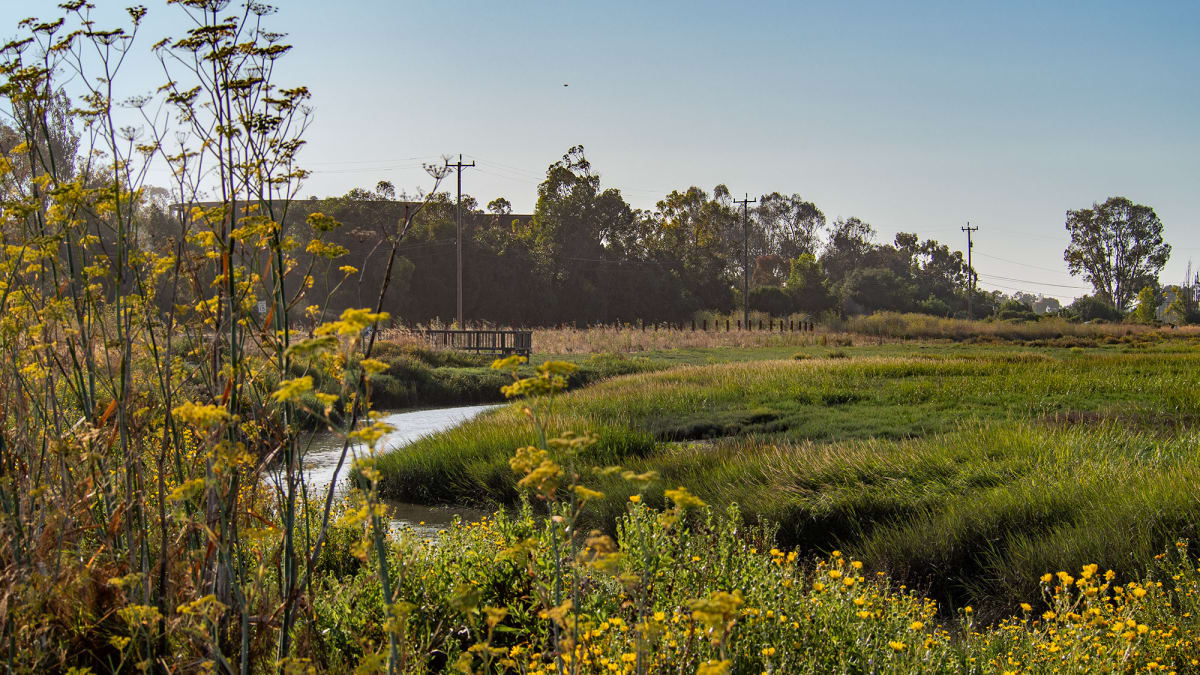
Eight miles of trails now wind through restored prairie filled with native wildflowers like magenta Texas thistle and yellow creeping oxeye. More than 180 bird species, including Nashville warblers, have been counted passing through.
"You can make a conservation area over here and a park over there, but if wildlife can't pass from one area to another, we still have a degraded landscape," says Gregory Tuzzolo of Stimson Studio. The bridge proves that highways don't have to be permanent barriers in nature.
Sometimes the best way forward is building a bridge back to what we almost lost.
More Images


Based on reporting by Guardian Environment
This story was written by BrightWire based on verified news reports.
Spread the positivity!
Share this good news with someone who needs it