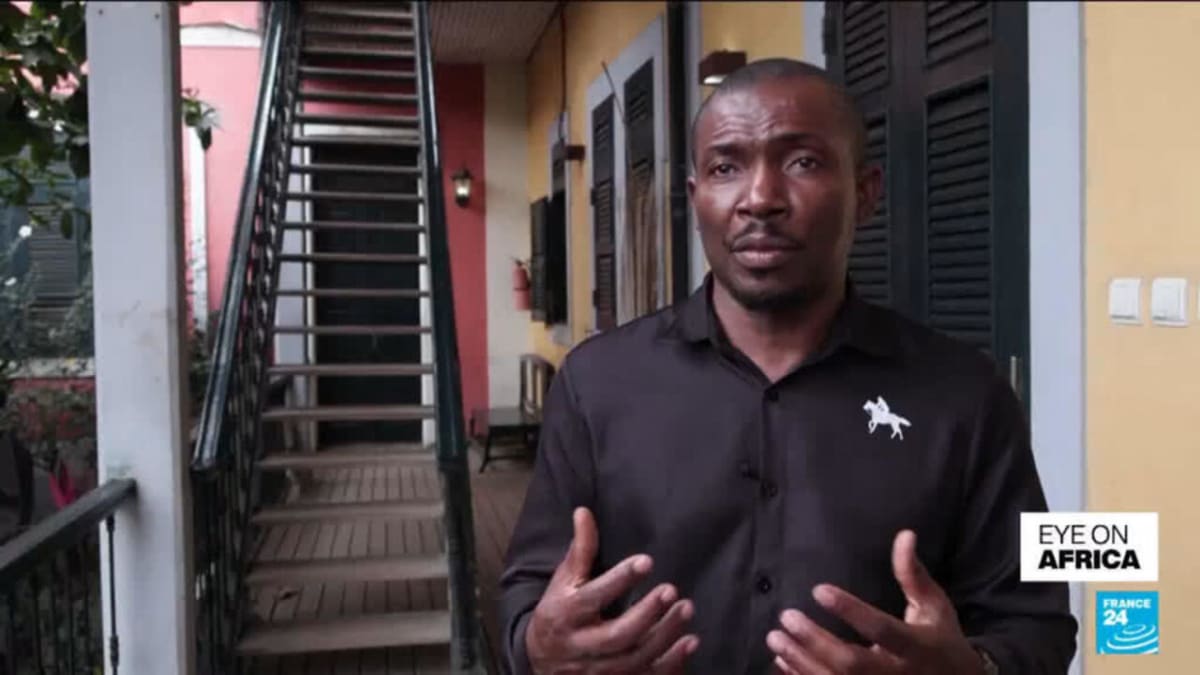
São Tomé Colonial Plantations Earn UNESCO World Heritage
The island nation of São Tomé and Príncipe just turned a painful past into a protected future. In July 2026, UNESCO added the country's colonial-era coffee and cocoa plantations to its World Heritage List, transforming sites once built on forced labor into monuments of resilience and history.
The island nation of São Tomé and Príncipe just turned a painful past into a protected future. In July 2026, UNESCO added the country's colonial-era coffee and cocoa plantations to its World Heritage List, transforming sites once built on forced labor into monuments of resilience and history.
The "Rocas," as locals call these plantation estates, tell the story of São Tomé's journey from Portuguese colony to independent nation. Built during the colonial period, these sprawling complexes combined living quarters, processing facilities, and architectural designs that reflected both European and African influences.
Most of the Rocas now stand empty, their walls weathered by decades of tropical rain and sun. But UNESCO's recognition celebrates both their unique architecture and their fundamental importance to understanding the country's story, including the difficult chapters of forced labor that built them.
The Ripple Effect
The World Heritage designation is already changing how the world sees these forgotten structures. Investors and tourism developers have taken notice, recognizing the potential to transform these history-steeped buildings into destinations that honor the past while building São Tomé's economic future.
This recognition means the Rocas will receive protection and preservation funding typically reserved for the world's most significant cultural sites. For a small island nation in the Gulf of Guinea, that support could make the difference between losing these structures to time or preserving them for generations.
The tourism interest brings hope for jobs and economic opportunity in a country where many residents are descendants of the people who once labored on these very plantations. By acknowledging the full truth of these sites, São Tomé is creating space for healing while opening new economic doors.
Other former colonies are watching closely to see how São Tomé balances preservation with painful history. The country's approach could become a model for how nations honor their complete stories without glorifying exploitation.
São Tomé is showing the world that confronting difficult history doesn't mean erasing it.
More Images
Based on reporting by France 24 English
This story was written by BrightWire based on verified news reports.
Spread the positivity!
Share this good news with someone who needs it