Satellite Tracks Animal Panic to Stop Poachers in Africa
A new satellite system called Icarus is reading "panic signals" in how African wildlife moves, creating an early warning system that could save rhinos, elephants, and cheetahs from poachers. Scientists discovered that animals like zebras and wildebeest scatter in distinctive patterns when hunters approach, while giraffes stay calm and point their heads toward the danger.
Scientists just figured out how to turn African wildlife into their own protection system, and it's happening from space.
A new satellite called Icarus is now tracking animal movements across the planet, reading the hidden signals in how creatures react to danger. When poachers enter a wildlife reserve, animals scatter in specific patterns that researchers can now detect in real time.
The breakthrough came from a clever experiment in Namibia. Scientists at the Okambara Elephant Lodge spent three days pretending to be poachers, firing rifles into the air while drones filmed from above. They watched springbok bounce away, zebras gallop, and wildebeest race hundreds of meters across salt plains.
But here's the fascinating part: giraffes barely moved. Instead, they stood still and pointed their heads directly at the threat, acting like natural lookout towers.
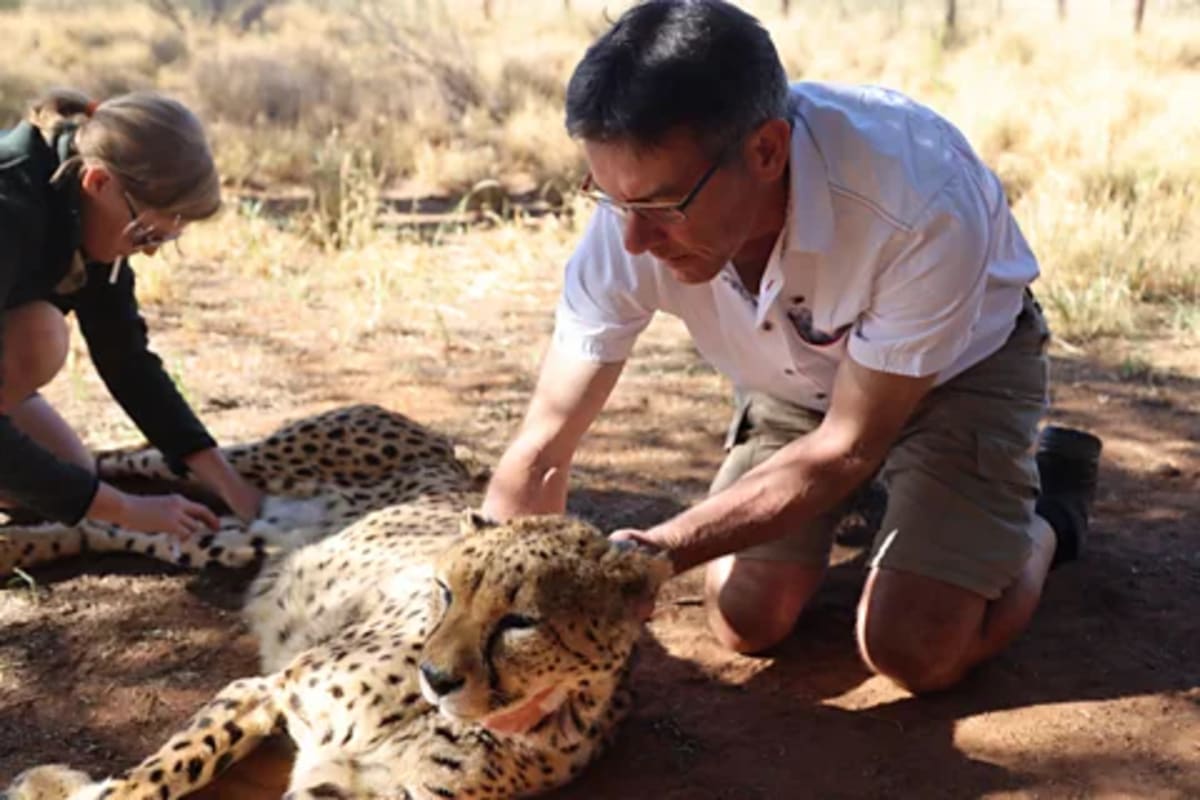
Martin Wikelski, who leads the Max Planck Institute of Animal Behavior, realized this panic response could save lives. His team fitted animals with tiny GPS tags that work like smartwatches, tracking location, heart rate, and body heat. When animals suddenly scatter or freeze, the system alerts rangers that poachers might be nearby.
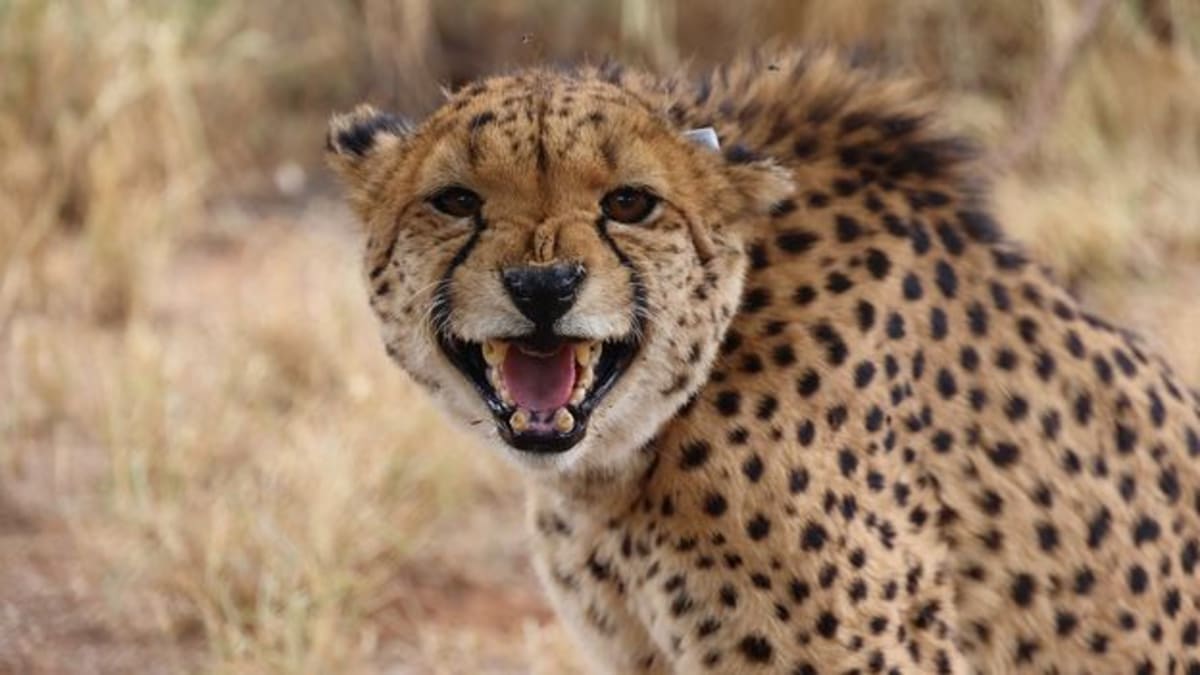
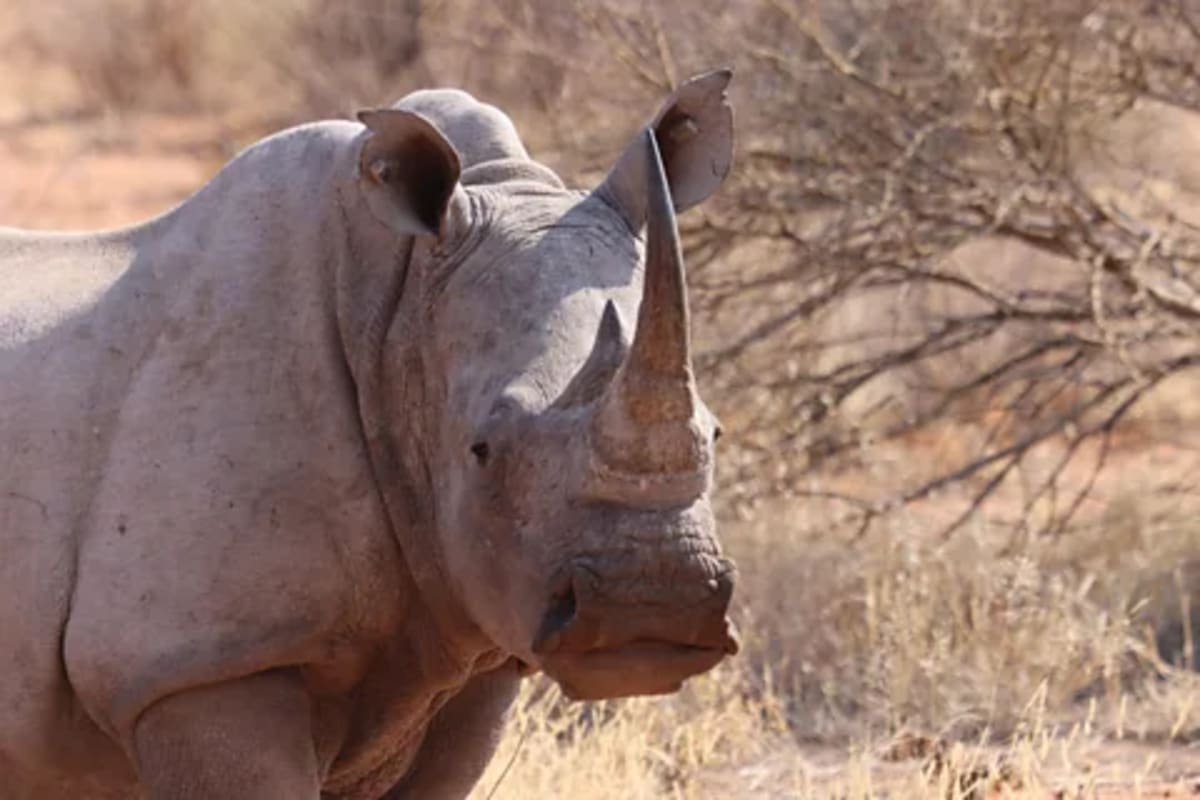
The technology is small enough to fit on a butterfly and powerful enough to protect rhinos. At Okambara, 5% of all large animals now wear these tags, creating a living alarm system. Zebras, cheetahs, and even giraffes become protectors of their more vulnerable neighbors.
"We have the other animals protecting the rhinos because they tell us when the butchers are coming," Wikelski explains. The goal is to tag 100,000 animals worldwide by 2030.
The Ripple Effect
This satellite system does more than stop poaching. It's creating the world's first "Internet of Animals," connecting wildlife across continents through one shared network.
The lessons from Namibia are already helping parks in South Africa, home to Earth's largest rhino population. Soon, the system could protect free-roaming animals in currently unmonitored regions like the Congo Basin, where poaching happens in the shadows.
Each tagged animal becomes a sensor, collectively watching over entire ecosystems. When one species sounds the alarm through unusual movement, rangers receive real-time alerts on their phones, sometimes arriving before poachers can strike.
These tiny tags are getting more sophisticated every year. Some now measure atmospheric pressure and temperature, turning animals into mobile weather stations. Others are so small they fit on monarch butterflies, tracking their thousand-mile migrations across North America.
The future Wikelski envisions turns conservation on its head: instead of humans watching animals, animals watch out for each other, with technology simply translating their warnings into action.
More Images

Based on reporting by BBC Future
This story was written by BrightWire based on verified news reports.
Spread the positivity!
Share this good news with someone who needs it

%3Afocal(700x470%3A701x471)%2Fhttps%253A%252F%252Ftf-cmsv2-smithsonianmag-media.s3.amazonaws.com%252Ffiler_public%252F7b%252F0f%252F7b0ff0da-1226-44bf-84de-647304f51d15%252F20260512-029jk.jpg)