AI Platform Saves Endangered Species Across 900 Sites Worldwide
A wildlife tracking system born from Africa's elephant poaching crisis now protects animals on six continents. EarthRanger gives conservationists real-time data to stop threats before they happen.
When African elephants were dying by the hundreds in 2012, researcher Jake Wall created an algorithm that would change wildlife conservation forever.
His simple idea sent alerts when an elephant's GPS collar stopped moving for more than five hours. That first step evolved into EarthRanger, a free AI platform now protecting wildlife at over 900 sites across 90 countries.
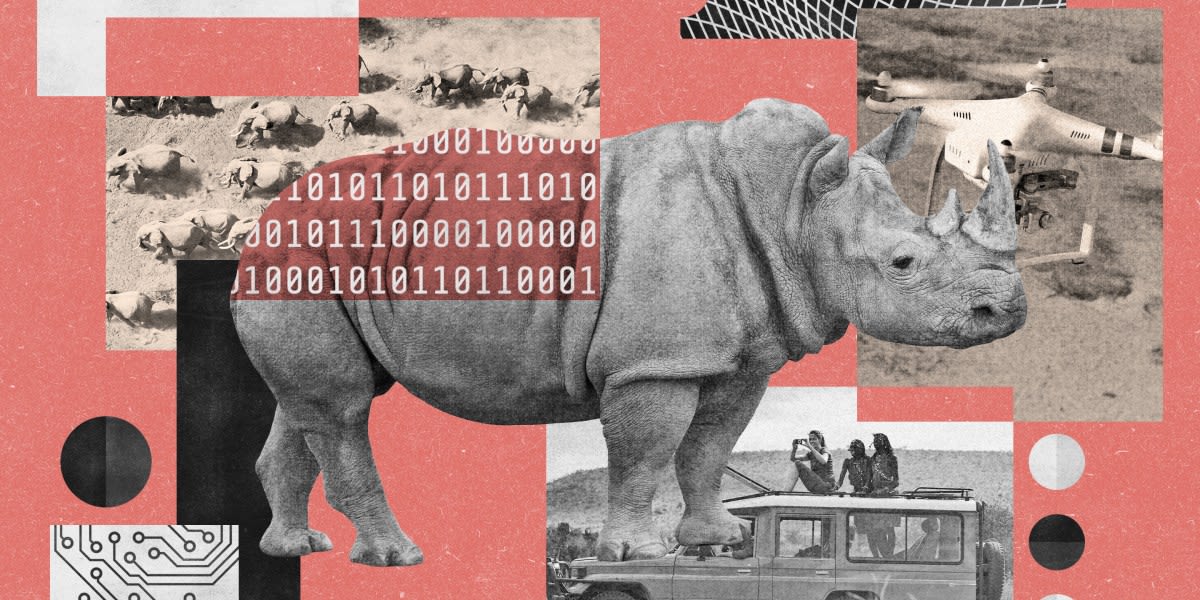
The software transforms conservation from guesswork into precision work. It pulls together data from GPS collars, camera traps, patrol reports, and remote sensors into one interactive map that shows tagged animals, rangers, vehicles, and sometimes poachers in real time.
When trouble appears, field teams get instant alerts so they can respond fast. Park rangers now track everything from Chilean pumas to Rwandan chimpanzees with the same tools, all accessible on mobile devices.
The Ripple Effect
The platform's impact reaches far beyond saving individual animals. Africa's safari tourism industry, valued at $20.5 billion last year, depends entirely on thriving wildlife populations.
With tourism growing 8% annually across Africa, the continent expects over 120 million visitors by 2030. Safari tourism alone could nearly double to $39.2 billion by 2035, but only if the animals survive.
Kenya's Segera resort shows how the technology works in practice. When 20 black rhinos arrived at the eco-retreat in May 2025, 28 trained rangers used EarthRanger to monitor the animals' movements and health as they settled into their new home.
"To track them all by sight on foot would have been almost impossible," says Jochen Zeitz, Segera's owner and founder of the Long Run sustainability network. The platform aggregates data from ear tags, sensors, and AI camera traps into one operational picture in real time.
Conservation efforts using these tools are already working. Steep declines in African elephant and rhinoceros populations have stopped reversing years of devastating losses.
Now Zeitz and his team are pushing further, using AI to predict poaching threats before they happen. "We want to use these next generation tools to make our level of deterrence so high that poachers won't even try," he says.
EarthRanger director Jake Wall sees the technology as essential to humanity's future. "Our connection with nature is fundamental—we need to put a premium on it and maintain it."
From detecting dead elephants to preventing poaching before it starts, one researcher's crisis response became a global conservation revolution.
More Images



Based on reporting by Google: species saved endangered
This story was written by BrightWire based on verified news reports.
Spread the positivity!
Share this good news with someone who needs it