Scientists Hatch Chickens in Artificial Eggs for Moa Revival
A Texas biotech company has successfully hatched 26 chickens using breakthrough artificial eggs that could bring New Zealand's extinct giant moa back to life within a decade. The technology might also save endangered birds struggling to reproduce in captivity.
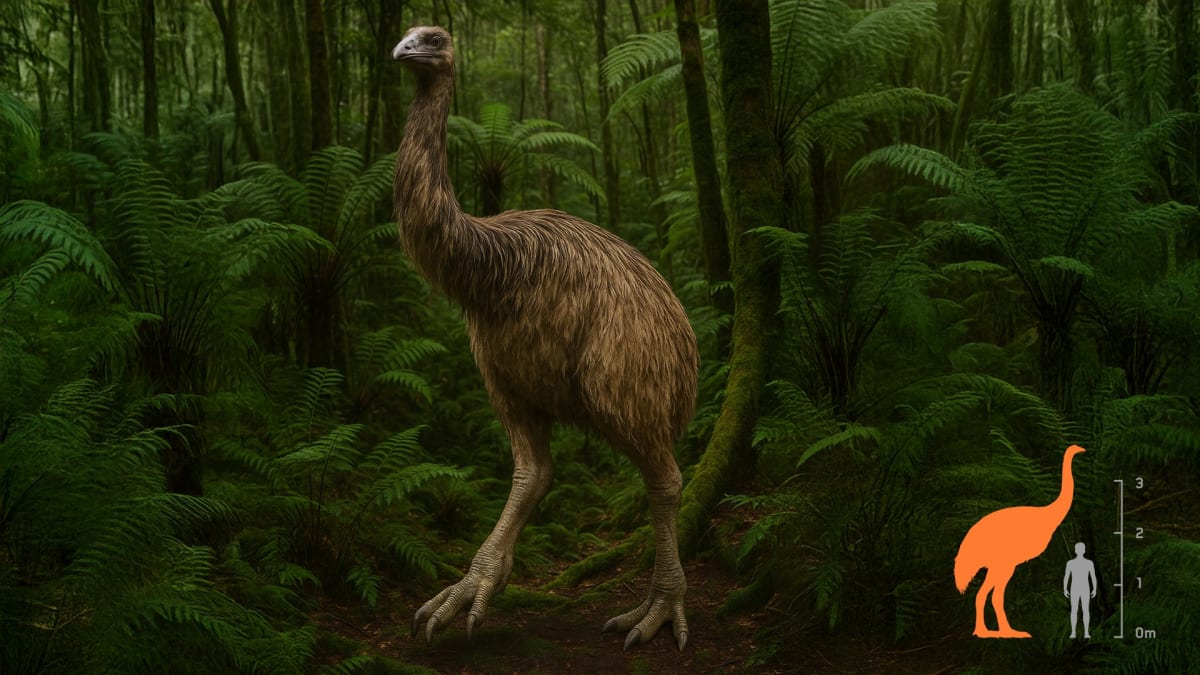
Scientists just solved a puzzle that's stumped researchers since the 1980s, and it could help rescue endangered species while bringing a three-meter-tall extinct bird back from the dead.
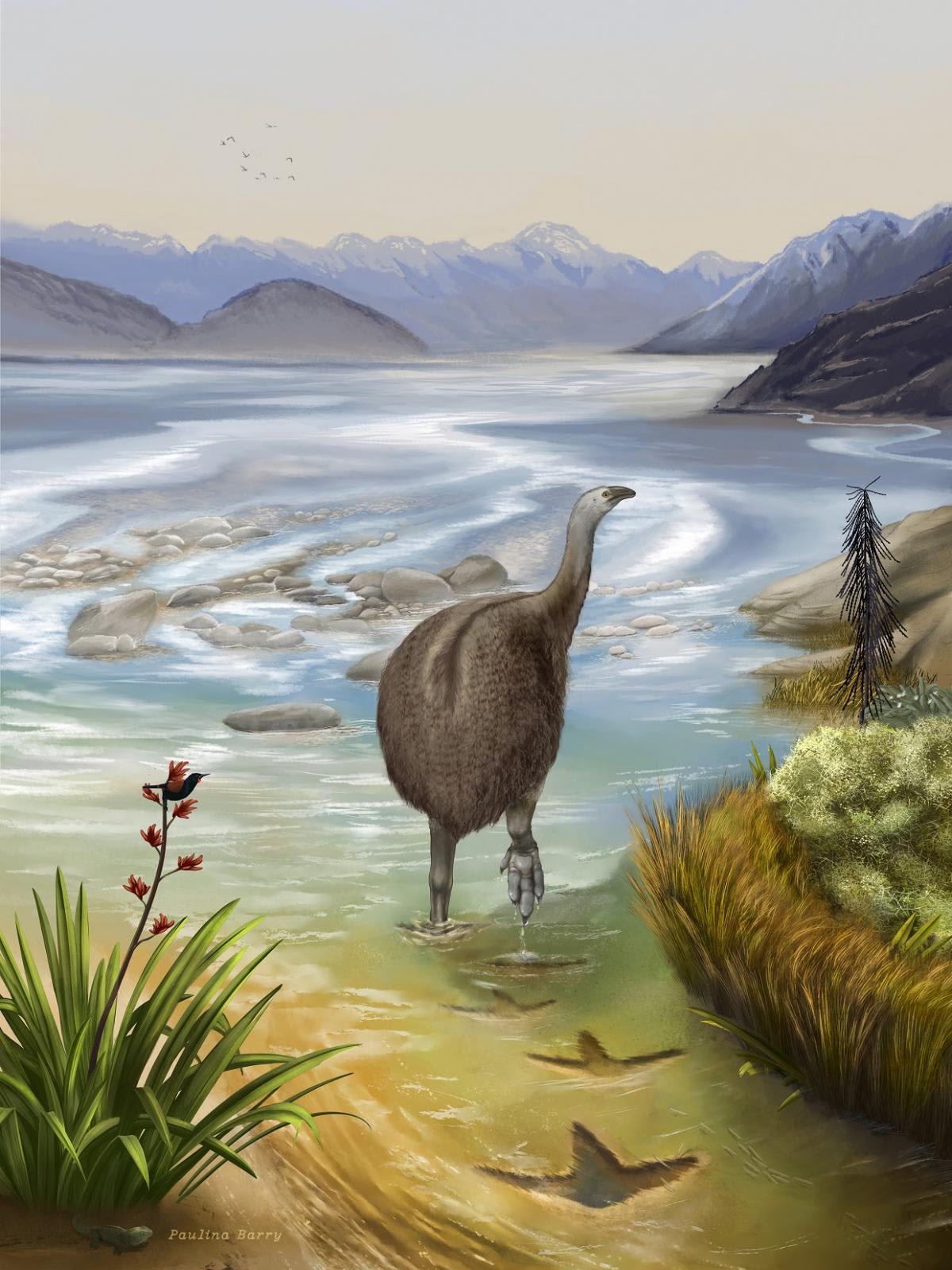
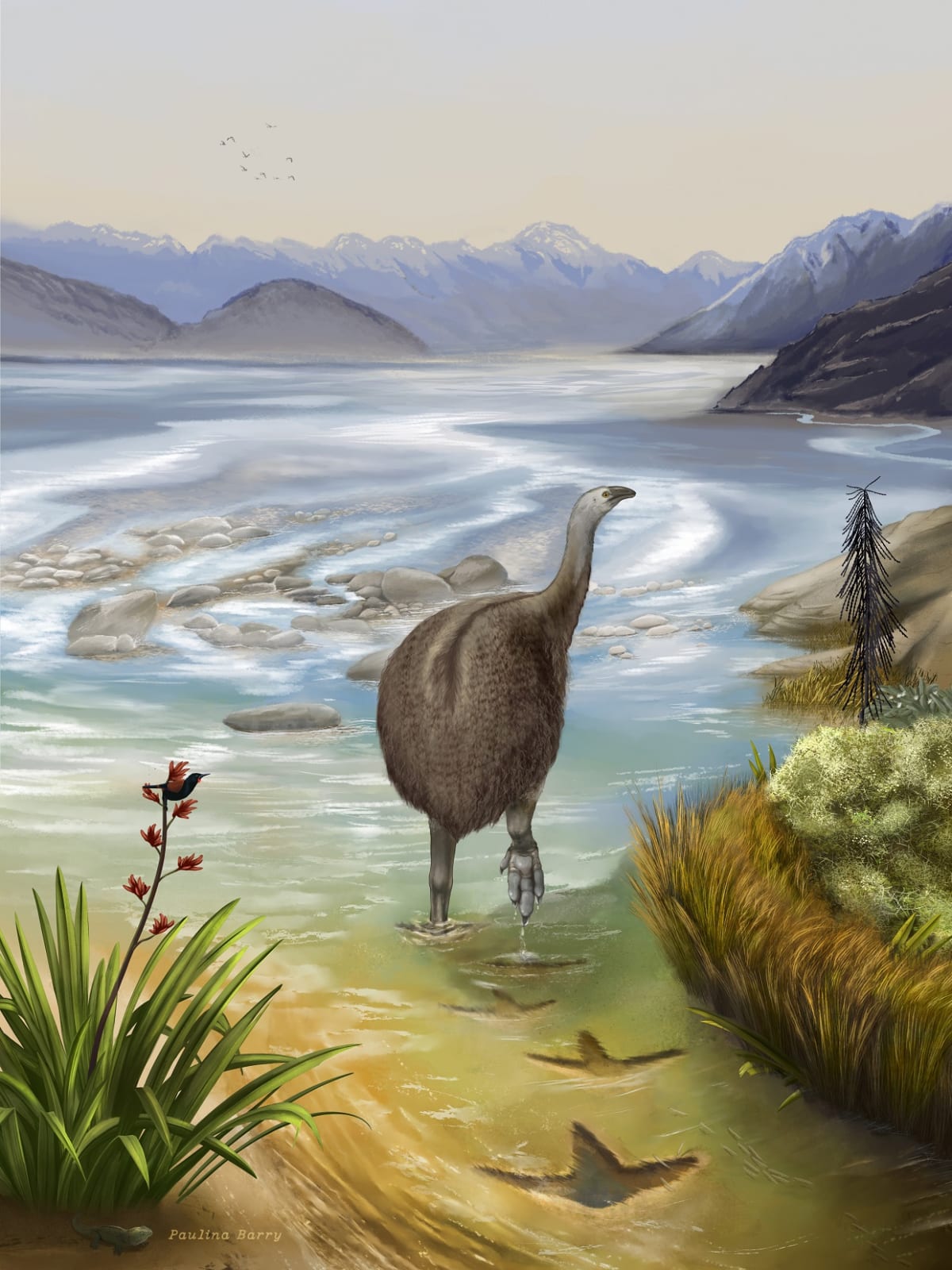
Colossal Biosciences has successfully hatched 26 healthy chickens using a completely redesigned artificial egg. The company is racing to resurrect New Zealand's giant moa, which vanished around 500 years ago, and this breakthrough gets them one major step closer.
The challenge was enormous. Previous artificial eggs from the 1980s required pumping in high levels of oxygen, which damaged DNA and shortened the birds' lifespans. That wouldn't work for conservation or bringing back extinct species that need normal, healthy lives.
Professor Andrew Pask, the company's chief biology officer based in Australia, explained his team engineered the egg from scratch. The new design features a silicone membrane and 3D-printed lattice shell that lets oxygen naturally diffuse inside, just like a real egg. The transparent design also lets scientists watch the chick develop in real time for the first time ever.
The project has backing from filmmaker Sir Peter Jackson and partners with Ngāi Tahu Research Centre and Canterbury Museum. Right now, researchers are sequencing the moa genome from ancient bone DNA, expecting it differs only slightly from its closest living relatives, the emu and South American tinamou.
Once they edit emu cells with moa-specific genes, the real magic happens. They'll start the embryo in an emu egg, then transfer it to a moa-sized artificial egg with extra yolk and egg white to sustain a much larger chick. The moa egg was at least eight times bigger than an emu's.
Pask estimates a baby moa could be waddling around in less than 10 years. But the team is waiting to confirm the 26 chickens live normal, healthy lifespans before scaling up to emu size, then moa size.
The Ripple Effect
The artificial egg isn't just about bringing back extinct giants. Pask sees it as a lifeline for critically endangered birds struggling to breed in captivity, no matter their size.
The technology could rapidly boost population numbers of struggling species for release back into the wild. In New Zealand, it might introduce genetic diversity back into tiny populations by sequencing DNA from birds that lived 50 to 150 years ago and engineering that variety back in.
The platform even opens doors to engineering birds more resilient to disease or climate change. What started as a moonshot project to resurrect an extinct species might become the tool that prevents future extinctions.
The giant moa may have been gone for five centuries, but its potential comeback is bringing hope to birds that need help right now.
More Images


Based on reporting by Google News - Australia Breakthrough
This story was written by BrightWire based on verified news reports.
Spread the positivity!
Share this good news with someone who needs it