Texas Company Hatches Chicks From Artificial Eggs
A Texas biotech company claims it successfully hatched chicks using artificial eggs that don't need extra oxygen, potentially opening new doors for saving endangered birds. While the breakthrough hasn't been peer-reviewed yet, the technology could help rescue damaged eggs and boost breeding programs for species on the brink.
Scientists in Texas say they've cracked a decades-old problem with artificial eggs, and it could be a game changer for protecting endangered birds.
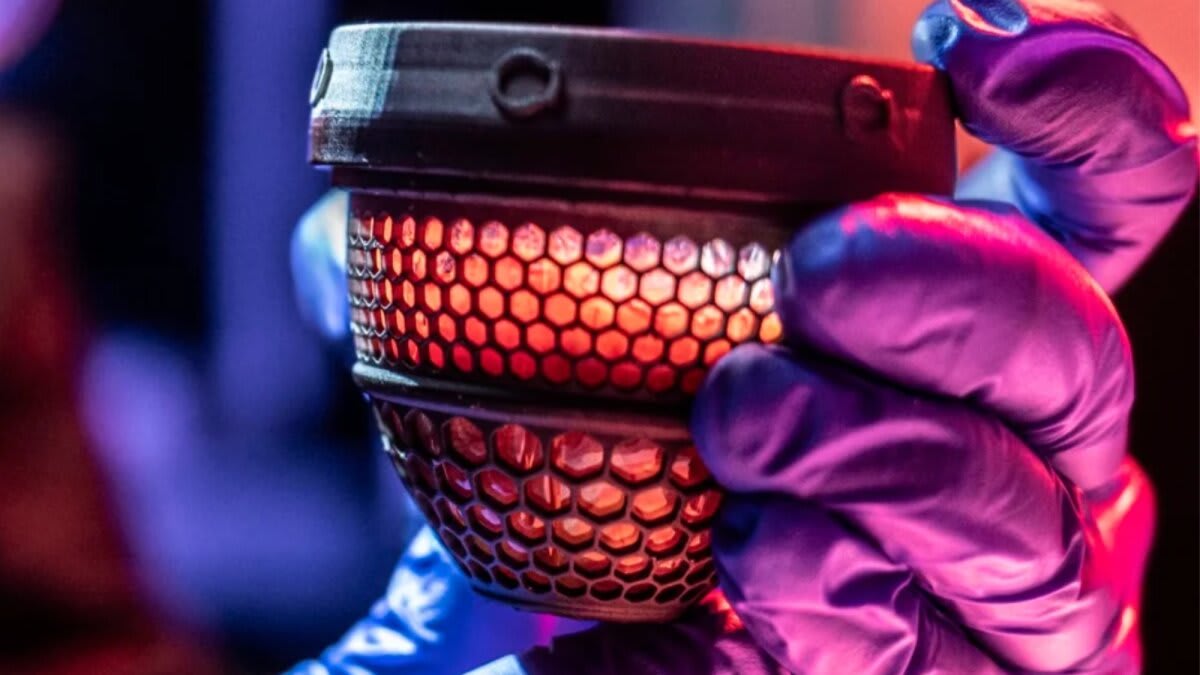
Colossal Biosciences announced it successfully hatched chicks using artificial eggs that let oxygen naturally flow to developing embryos. Unlike previous artificial egg systems that required pumping pure oxygen to embryos (which often harmed their survival), this new design uses a latticed half-shell and special silicone membrane that mimics nature better.
The company originally developed the technology as part of its plan to bring back extinct birds like the dodo and giant moa. But conservation scientists are excited about a more immediate benefit: saving threatened species alive today.
Artificial egg technology has existed since the 1980s, but it's mostly stayed in research labs. The oxygen problem kept it from widespread use, even though the ability to watch embryo development through transparent materials offered huge research advantages.
Colossal's system works by transferring a fertilized embryo and yolk from a real egg into the artificial version, which then sits in an incubator. Scientists can observe the entire development process and potentially intervene if something goes wrong.
The Ripple Effect
For critically endangered birds like New Zealand's kākāpō or kakī black stilt, this could mean rescuing every precious egg. When inexperienced parents accidentally damage eggs, or bad weather threatens nests, conservationists could transfer those embryos to artificial eggs and give them a fighting chance.
The technology gets even more powerful when combined with genetic techniques. Scientists could potentially restore lost genetic diversity to inbred populations or make endangered birds resistant to diseases threatening their survival.
Birds that produce few eggs and breed slowly would benefit most. Instead of losing chicks to preventable accidents, breeding programs could maximize every reproductive opportunity.
The company secured private funding that wouldn't have otherwise gone to conservation work. If they make the technology available to public conservation organizations rather than keeping it proprietary, it could spread quickly to projects protecting threatened species worldwide.
Questions remain about the claims since Colossal hasn't published peer-reviewed data yet. The company's more ambitious goals, like scaling eggs large enough for extinct giant birds, face significant biological hurdles that may prove impossible to overcome.
But for living endangered species with normal-sized eggs, the potential feels real and immediate.
Conservation groups and Indigenous communities will need transparent involvement in any decisions about using genetic modification alongside artificial eggs. The technology works best as a tool supporting natural breeding programs, not replacing them entirely.
If the hatching success holds up under scientific scrutiny, this could help tip the scales for species fighting to survive.
More Images


Based on reporting by New Atlas
This story was written by BrightWire based on verified news reports.
Spread the positivity!
Share this good news with someone who needs it