Satellite Tracks Animals to Stop Poachers in Real Time
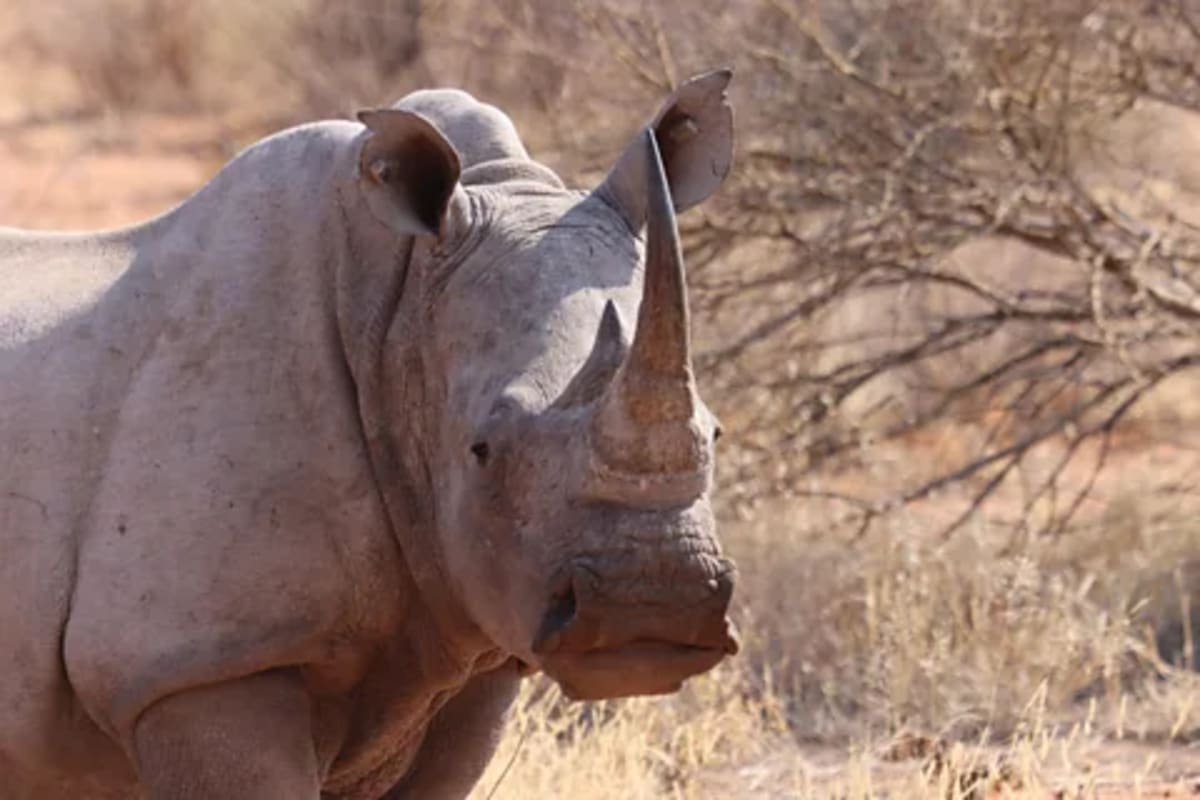
A new satellite system reads animal panic signals from space to catch poachers before they strike. GPS-tagged wildlife now act as sentinels, warning rangers when threats approach endangered rhinos and elephants.
Scientists can now see fear ripple through a herd from space, and it's helping save Africa's most endangered animals from poachers.
The Icarus satellite system tracks GPS-tagged wildlife across entire nature reserves, reading the telltale patterns animals make when they sense danger. When zebras gallop, wildebeest scatter, and giraffes point their heads toward a threat, the system spots these panic signals and alerts rangers in real time.
Researchers spent three days in Namibia's Okambara Elephant Lodge testing the technology. A team simulated poacher attacks while drones filmed the animals' reactions from above. They fired blank rounds 30 times, watching how different species responded to human intruders moving through the bush.
The results were striking. Springbok bounced away instantly. Zebras broke into nervous gallops. Wildebeest raced hundreds of meters across salt plains. But giraffes stayed calm, standing tall to watch from a safe distance with their heads all pointing toward the threat.
"We have the other animals protecting the rhinos because they tell us when the butchers are coming," says Martin Wikelski, an ornithologist leading the project at Germany's Max Planck Institute of Animal Behavior. His team has tagged 5% of large animals at Okambara and plans to reach 100,000 animals globally by 2030.
The technology transforms wildlife into an early warning network. Tiny GPS tags no bigger than rice grains now track everything from elephants to monarch butterflies. These modern marvels monitor location, heart rate, body temperature, and even surrounding atmospheric conditions.
The Ripple Effect
South African national parks protecting the world's largest rhino population are already using lessons from Okambara. The system could soon safeguard free-roaming wildlife in currently unmonitored regions like the Congo Basin, where poaching claims hundreds of lives each year.
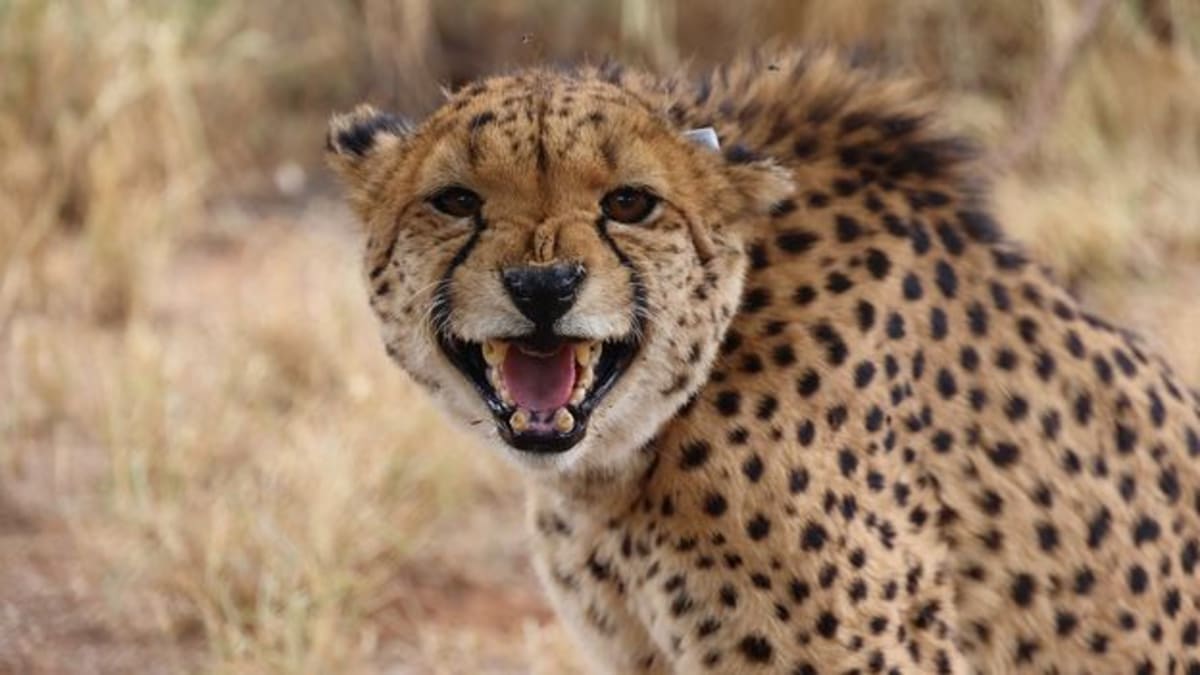
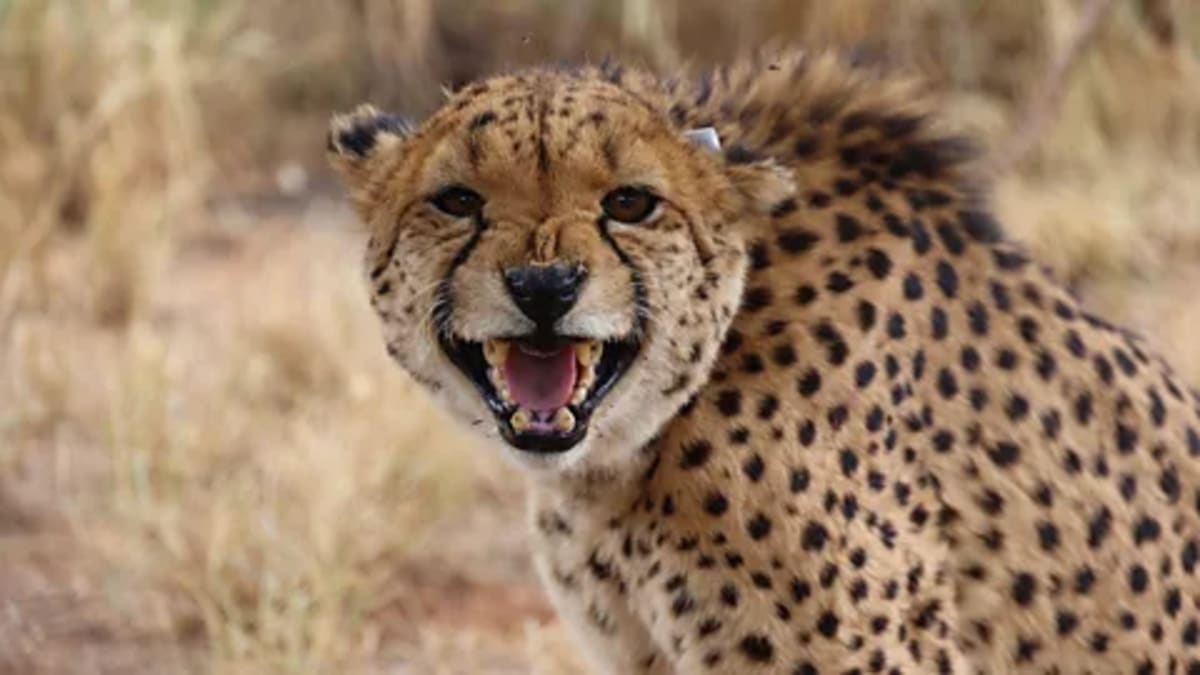
Giraffes make especially good sentinels. Rows of the long-necked animals remain still during threats, creating a living compass that points rangers directly toward poachers. Cheetahs and zebras become unlikely allies in protecting their rhino neighbors.
The "Internet of Animals" launched in November 2024, finally realizing a decades-long dream to connect wildlife through satellite technology. What started as a single reserve experiment now promises protection for endangered species across entire continents.
Africa's giants now have an invisible shield written in the language of survival itself.
More Images

Based on reporting by Google News - Technology
This story was written by BrightWire based on verified news reports.
Spread the positivity!
Share this good news with someone who needs it

%3Afocal(700x470%3A701x471)%2Fhttps%253A%252F%252Ftf-cmsv2-smithsonianmag-media.s3.amazonaws.com%252Ffiler_public%252F7b%252F0f%252F7b0ff0da-1226-44bf-84de-647304f51d15%252F20260512-029jk.jpg)