Saudi Arabia Adds 6.8GW of Solar in Clean Energy Push
Saudi Arabia installed more than four times its previous year's renewable capacity in 2025, adding 6.8 gigawatts of clean energy as electricity demand soars. The kingdom is proving that oil-rich nations can lead the renewable revolution when economics align with energy security.
While some countries retreat from climate commitments, Saudi Arabia just quadrupled its renewable energy additions in a single year.
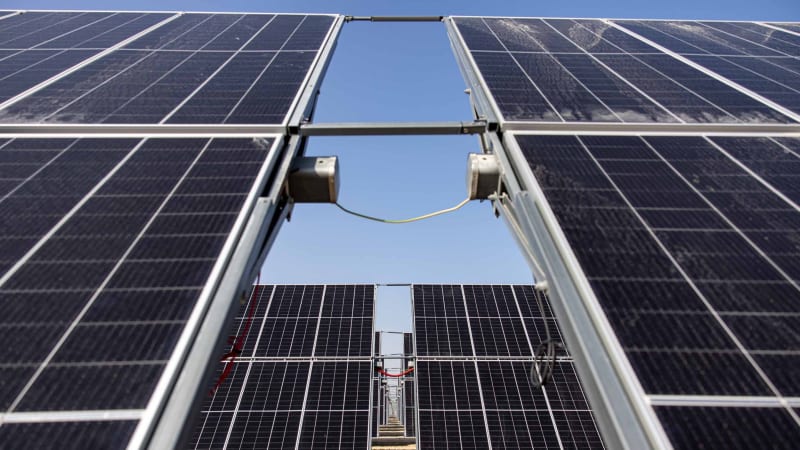
The kingdom added at least 6.8 gigawatts of new solar capacity in 2025, more than four times what it installed in 2024. That's enough clean energy to power millions of homes while freeing up valuable oil for export instead of burning it for electricity.
The shift isn't happening because of political pressure or climate conferences. It's driven by pure necessity and smart economics.
Electricity demand across the Middle East has tripled since 2000, fueled by population growth, rising incomes, and the massive energy needs of cooling systems and water desalination. The region now ranks as the third-largest contributor to global electricity demand growth after China and India.
Saudi Arabia currently burns 1.8 million barrels of oil daily just to generate power. But solar panels have become so cheap that burning oil no longer makes financial sense, even in one of the world's largest oil producers.
"There's been a paradigm shift in which burning cheap oil is no longer being seen as the only cheap way to solve the country's power demands," says an energy analyst in the kingdom. "Diversification is an absolute necessity to meet ballooning demand, especially in the long term."
The country now has 12.3 gigawatts of connected renewable capacity, mostly solar panels, with plans to reach 20 gigawatts by year's end. That's part of a regional explosion where Middle Eastern nations increased their combined 2030 clean energy targets from 200 gigawatts to 300 gigawatts in just one year.
The Ripple Effect
Saudi Arabia's clean energy acceleration is creating waves beyond its borders. The International Energy Agency projects solar capacity across the entire Middle East and North Africa region could increase tenfold over the next decade, adding around 200 gigawatts of clean power.
That transformation helps preserve oil and gas for export while meeting domestic needs with cheaper electricity. It also positions the region as a major player in global renewable energy markets, not just fossil fuels.
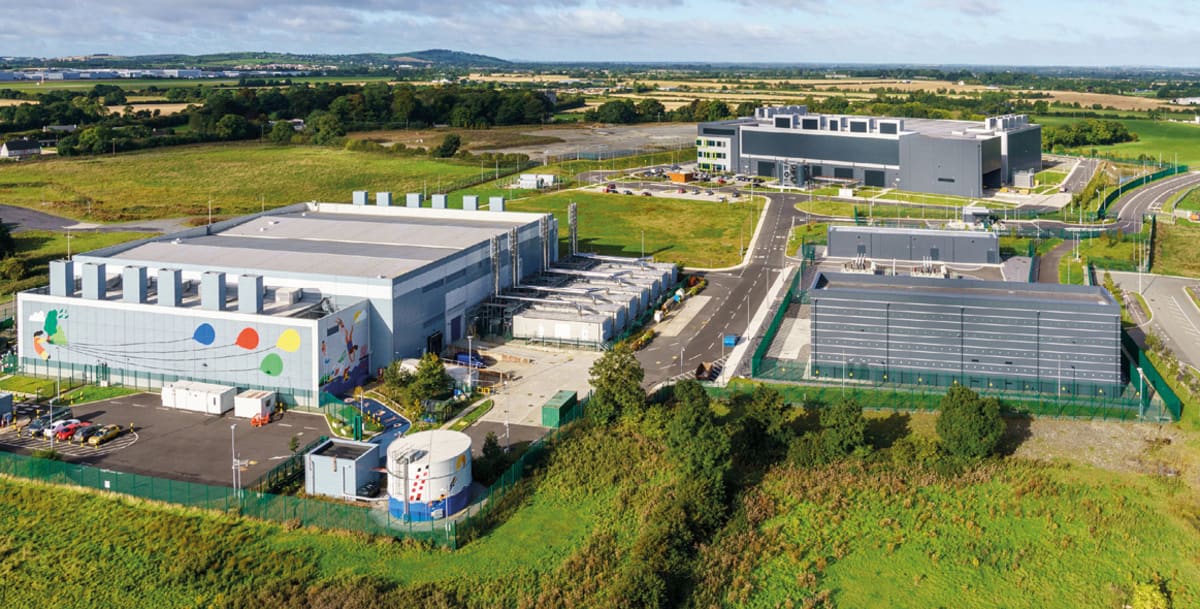
The kingdom recently launched one of the world's largest utility-scale battery storage projects at Bisha to keep the grid stable as more variable solar generation comes online. It's also planning a $5 billion data center powered by renewables and exploring nuclear energy for baseload power after 2040.
Other oil producers are watching closely. When economic logic and energy security align with climate benefits, even the world's largest hydrocarbon exporters become clean energy champions.
Based on reporting by Google: clean energy investment
This story was written by BrightWire based on verified news reports.
Spread the positivity!
Share this good news with someone who needs it