Saudi Arabia Restores 51,000 Hectares in Desert Revival
Saudi Arabia has transformed more than 51,000 hectares of barren desert into thriving pastureland in just two years, planting 109 tons of native seeds as part of an ambitious plan to restore 350,000 hectares by 2030. The country's green initiative is turning climate goals into visible progress across 58 sites and valleys.
Saudi Arabia is bringing its deserts back to life, and the results are already taking root across the kingdom.
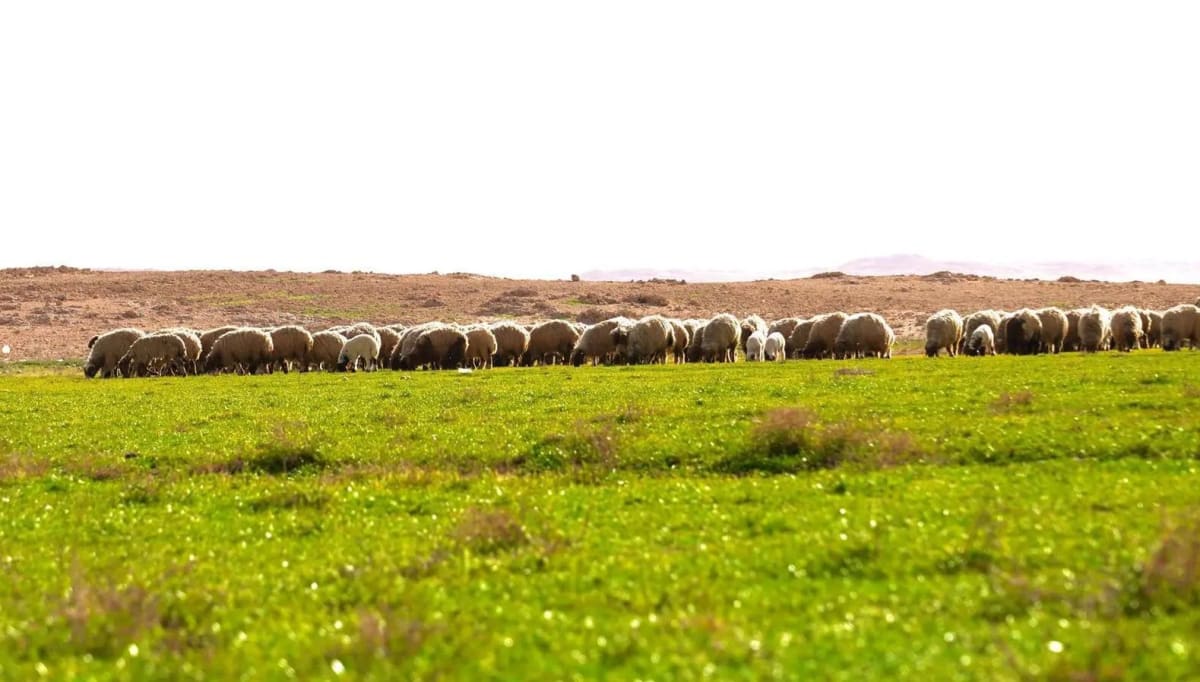
The country's National Center for Vegetation Cover Development and Combating Desertification has successfully restored more than 51,000 hectares of degraded land over the past two years. That's roughly the size of 71,000 soccer fields now covered in native plants where barren ground once stretched endlessly.
The center planted 109 tons of seeds from 40 different plant species across 58 sites and 15 valleys and meadows. Each seed underwent quality testing according to international standards to ensure the best chance of survival in the harsh desert climate.
This restoration work is part of the Saudi Green Initiative, a national commitment to combat climate change and protect the environment. The country has set an ambitious target: restore 350,000 hectares of natural pastures by 2030.
The project is picking up speed this year. Saudi Arabia plans to rehabilitate another 60,000 hectares at 70 sites and 25 valleys and meadows, using more than 110 tons of seeds from 70 different species.
The approach combines modern science with strategic timing. Planting schedules align with the Regional Cloud Seeding Program, which means seeds go into the ground when rain is most likely to fall. Rainwater harvesting systems capture precious moisture to give young plants their best shot at survival.
The Ripple Effect
Restoring pastureland does more than green the landscape. These rehabilitated areas create habitats for wildlife, prevent soil erosion, and capture carbon from the atmosphere. Native plants adapted to desert conditions require less water once established, making the restoration sustainable long term.
The project also demonstrates how desert nations can take meaningful climate action. By focusing on vegetation native to the region, Saudi Arabia is rebuilding ecosystems that once thrived naturally in these areas.
Local communities benefit as restored pastures provide grazing land and support biodiversity. The green spaces also help cool surrounding areas, offering relief from extreme desert temperatures.
With more than 14 percent of its 2030 goal already complete, Saudi Arabia is proving that large-scale environmental restoration is possible even in one of the world's most challenging climates.
Based on reporting by Regional: saudi arabia development (SA)
This story was written by BrightWire based on verified news reports.
Spread the positivity!
Share this good news with someone who needs it