Saudi Arabia Hits 66% Homeownership in Urban Turnaround
Saudi Arabia has boosted homeownership from 47% to 66.24% in just nine years, getting closer to its 2030 goal while transforming cities with green spaces, public transit, and jobs. The Kingdom is proving that rapid urban development can lift quality of life for millions.
Saudi Arabia just announced a remarkable housing milestone that's changing millions of lives. Homeownership jumped from 47% in 2016 to 66.24% by the end of 2025, inching closer to the nation's Vision 2030 target of 70%.
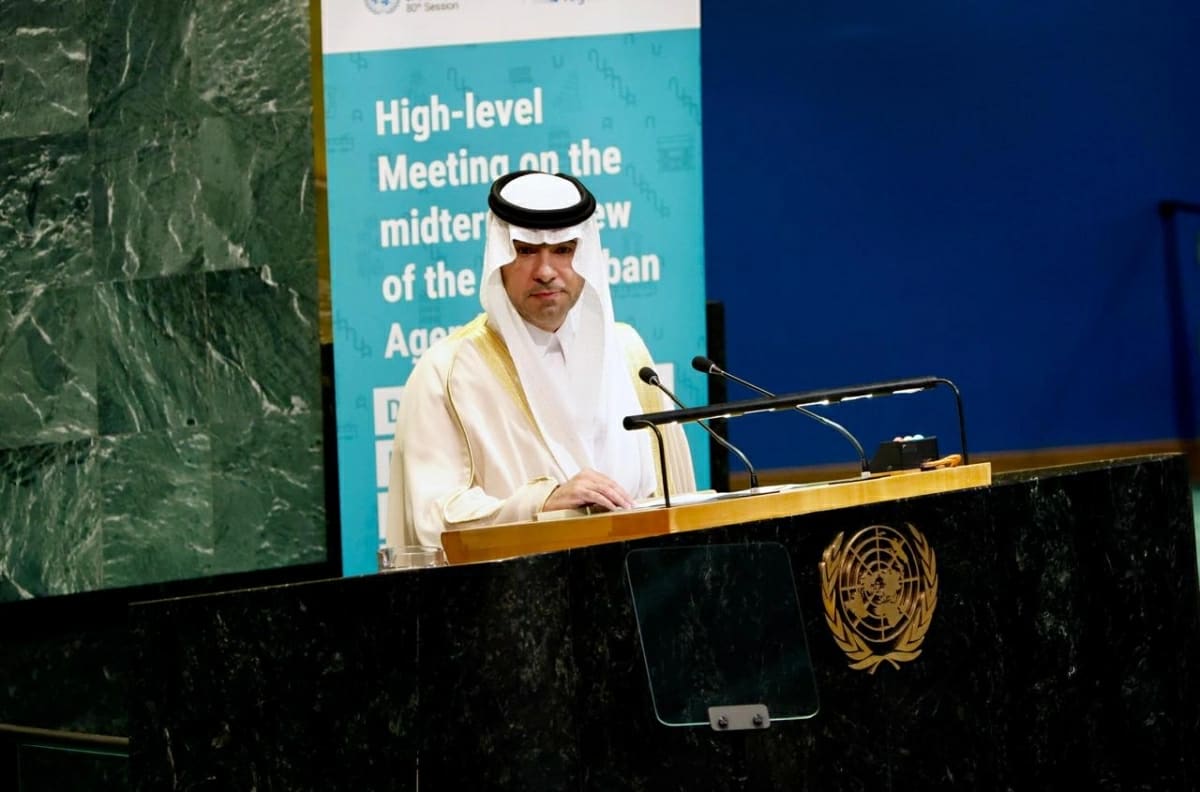
Minister of Municipalities and Housing Majed Al-Hogail shared the progress at a UN General Assembly meeting in New York. Between 2018 and 2025, more than one in four Saudi families received housing support services to help them own their first homes.
But the transformation goes far beyond rooftops. Public green space per person grew from 5.2 to 6.9 square meters, with the Bahja program adding over 12 million square meters of community parks and gathering places where families can connect.
The new Riyadh Metro carried more than 100 million passengers in its first nine months. Urban buses transported 96.8 million people in 2025 alone, making daily commutes easier and cities more breathable.
Women's workforce participation climbed from 22.8% to 36%, while employment for people with disabilities doubled. These aren't just statistics; they represent mothers with new careers, individuals with disabilities finding meaningful work, and families building financial security.
Nonprofit organizations exploded from a modest number to over 7,213, a stunning 341% increase. Communities are stepping up to support each other in ways that government alone never could.
The Ripple Effect
Saudi Arabia's urban renewal is creating waves across multiple sectors. The Kingdom signed 56 public-private partnerships to build infrastructure faster and smarter, proving that collaboration beats going it alone.
Green financing is backing these changes with real money. Saudi Arabia issued $9.1 billion in green bonds and sustainable sukuk in 2024, while the Public Investment Fund committed over $10 billion by 2026 to climate-friendly projects.
Cities now integrate climate risk assessments into their planning, preparing for tomorrow's challenges today. The Saudi Green Initiative and National Renewable Energy Program are ensuring these urban centers can thrive for generations, not just decades.
The Kingdom partnered with UN-Habitat and the United Nations Development Programme through 2027, sharing lessons learned and importing best practices. When countries collaborate on urban development, everyone's cities get better.
Financial autonomy for local municipalities means decisions get made by people who know their communities best. Data integration helps planners spot problems before they become crises and opportunities before competitors do.
From housing to transit to jobs to green spaces, Saudi Arabia is building cities where people actually want to live, and the numbers prove millions are already benefiting.
More Images


Based on reporting by Regional: saudi arabia development (SA)
This story was written by BrightWire based on verified news reports.
Spread the positivity!
Share this good news with someone who needs it