Saudi Arabia Makes 2026 the Year of AI for Workers
Saudi Arabia has declared 2026 the Year of Artificial Intelligence, launching new programs to protect workers and build skills as technology reshapes jobs. The Kingdom is using AI to train 12 million private sector workers while strengthening labor protections.
Saudi Arabia is putting AI to work for workers, not just companies.
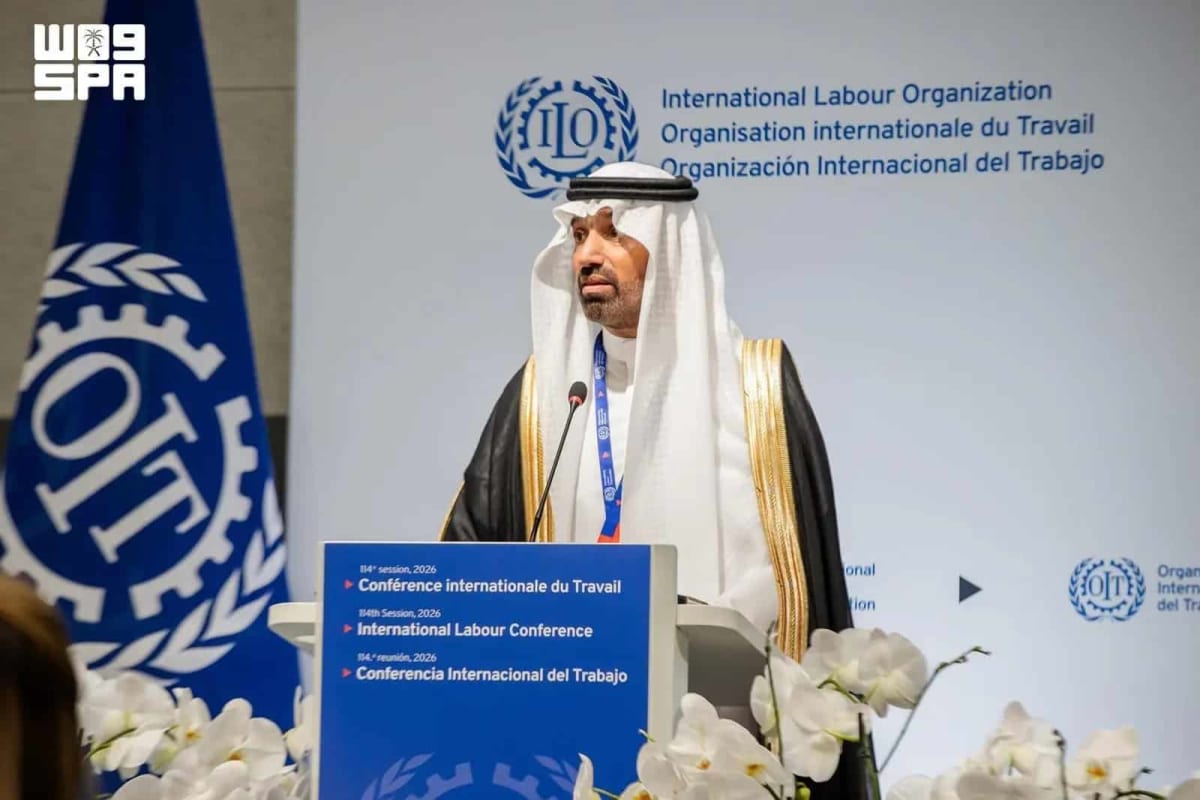
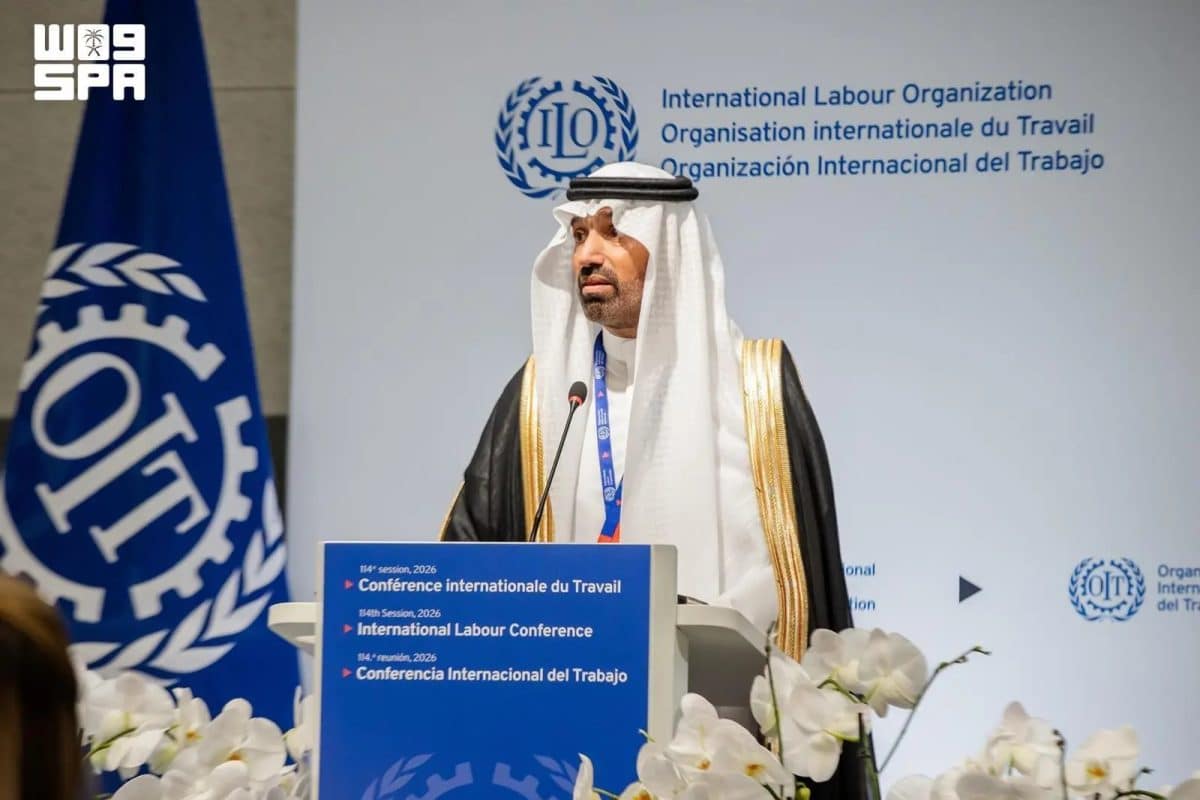
The Kingdom has declared 2026 the Year of Artificial Intelligence and rolled out programs designed to help people thrive as technology changes the workplace. Minister of Human Resources and Social Development Ahmed Al-Rajhi announced the initiative at the International Labour Conference in Geneva, outlining how Saudi Arabia is using AI to protect workers while preparing them for tomorrow's jobs.
At the heart of the effort is the Qiwa platform, which now serves more than two million businesses and 12 million private sector workers across Saudi Arabia. The platform uses generative AI to help workers access services, track their rights, and navigate employment issues faster than ever before.
But Saudi Arabia isn't just digitizing old systems. The Kingdom launched a National Skills Platform that uses AI to create personalized learning paths for workers, helping them build the exact capabilities employers need. The platform tracks skills, suggests training, and even assesses progress automatically.
The technology is also protecting workers in new ways. Saudi Arabia is using predictive analytics to spot workplace violations before they escalate, making inspections more effective and catching problems early. The Wage Protection Program ensures workers get paid on time, using digital tools to monitor compliance across thousands of companies.
The Ripple Effect
What makes this approach different is that Saudi Arabia is using the same technology that worries many workers to actually strengthen their protections. While AI often gets blamed for job losses, the Kingdom is proving it can be a tool for fairness and opportunity instead.
The Saudi Classification of Skills and Occupations is constantly updated to reflect how jobs are changing, ensuring training programs stay relevant as new roles emerge. This means workers aren't learning yesterday's skills for tomorrow's economy.
Al-Rajhi told the conference that technology alone won't determine the future of work. "The future of work in the age of artificial intelligence will not be determined by technology alone, but by the ability to invest in people, develop skills, enhance protections, and ensure that technological transformation creates quality and sustainable jobs," he said.
The minister called for global cooperation to ensure AI benefits are shared fairly across countries and industries. Saudi Arabia's participation in the International Labour Conference shows the Kingdom wants to help shape international standards for responsible AI use in workplaces worldwide.
The programs are part of the broader Labor Market Strategy, which aims to make Saudi Arabia's economy more diverse and resilient while ensuring workers have stable, quality jobs in a rapidly changing world.
When countries put people first in their AI strategies, technology becomes a bridge to opportunity instead of a threat.
More Images
Based on reporting by Regional: saudi arabia development (SA)
This story was written by BrightWire based on verified news reports.
Spread the positivity!
Share this good news with someone who needs it